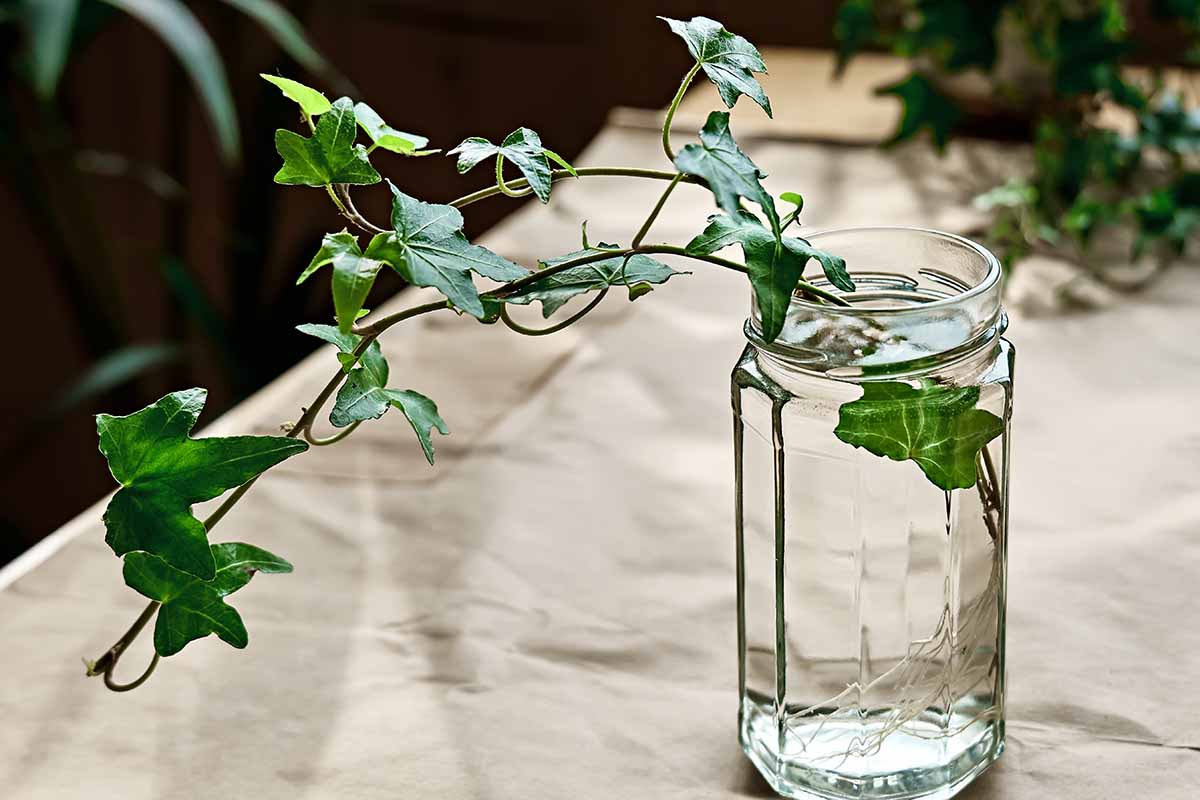
I’ll walk you through everything: water vs. soil propagation, step-by-step instructions, common mistakes, and care tips once your cuttings root.Why Propagate Ivy?Ivy (like English ivy, Algerian ivy, etc.) is one of the easiest houseplants to multiply. Learning how to propagate ivy plant means you can:Fill your room or garden with trailing green vinesShare baby plants with friends or familyRescue a leggy, overgrown plant by trimming and regrowing the nicest piecesThe cool thing? You don’t need fancy equipment. Just scissors, a glass, some soil, and patience.What You’ll NeedBefore you start, grab:A healthy ivy plant (no pests, no mushy stems)Clean, sharp scissors or pruning shearsA small glass or jar (for water rooting)Small pots with drainage holes (for soil rooting)Potting mix (regular houseplant mix is fine)Optional: rooting hormone (helpful but not required)Spray bottle (for gentle watering / misting)Step 1: Choose the Right Ivy StemGood propagation starts with a good cutting.Look for:A long, flexible stem (a vine)Bright green leaves—no yellowing or brown crispy edgesVisible nodes: the little bumps/points on the stem where leaves grow. Roots will grow from these nodes.Avoid:Very old, woody stems (they root more slowly)Stems that look weak, soft, or diseasedCut below a node, so the node is on the cutting, not left behind on the mother plant.Aim for cuttings about 4–6 inches (10–15 cm) long, with at least 2–4 leaves.Step 2: Prepare Your Ivy CuttingsOnce you’ve snipped your stem:Remove the lower leavesStrip off the leaves from the bottom 1–2 inches (2–5 cm) of the stem.Important: No leaves should sit in water or be buried in soil—they’ll rot.Keep 1–3 leaves at the topEnough to photosynthesizeNot so many that the cutting loses too much water and wiltsNow you’re ready to choose your method: water or soil.Method 1: Propagating Ivy in WaterThis is the most fun method because you can watch the roots grow.Step-by-Step: Water PropagationFill a glass or jarUse room-temperature water.Let tap water sit for a few hours first if you’re worried about chlorine (not strictly necessary, but nice).Place the cuttings in the waterMake sure at least one node is underwater.Leaves stay above the waterline.Put the jar in bright, indirect lightA windowsill with filtered light is perfect.Avoid strong, direct midday sun—it can heat the water and stress the cutting.Change the water every few daysThis keeps it fresh and prevents bacteria buildup.Top up the water so the node is always covered.Wait for roots to growYou’ll usually see tiny white roots in 1–3 weeks.Let roots reach about 1–2 inches long before potting into soil.When to Pot Water-Rooted IvyOnce the roots are a few centimeters long and there are several roots per cutting, you can move them to soil:Fill a pot with moist potting mixPoke a small holePlace the rooted cutting in, gently firm the soil around the rootsWater lightly and keep in bright, indirect lightMethod 2: Propagating Ivy Directly in SoilSoil propagation skips the water stage. Roots form right where the cutting will live, which means less “transplant shock” later.Step-by-Step: Soil PropagationFill a small potUse well-draining potting mix.You can mix in a bit of perlite for extra drainage.(Optional) Dip the cutting in rooting hormoneLightly moisten the cut end, dip in rooting powder, tap off the excess.This can speed rooting but isn’t mandatory.Plant the cuttingMake a hole with your finger or a pencil.Bury the bare node area (where you removed the leaves).Gently press the soil around the stem so it’s held firmly.Water lightlyYou want the soil damp, not soaking.Create a mini greenhouse (optional but helpful)Cover the pot loosely with a clear plastic bag to trap humidity.Make sure the plastic doesn’t touch the leaves (use sticks or straws as “supports”).Open it every few days to let fresh air in.Place in bright, indirect lightSame as with water propagation: avoid harsh sun at first.How to Check If It’s RootedAfter 2–4 weeks:Gently tug the cuttingIf you feel resistance, roots are formingNew leaf growth is also a good signSpecial Trick: Pinning Ivy to SoilAnother way to propagate ivy is by layering:Keep the vine attached to the mother plant.Lay a section of the vine on the surface of a pot filled with soil.Pin a node down with a paperclip, hairpin, or a little soil mound.Keep the soil moist.Once roots form at that node and new growth appears, you can cut that part free from the original plant and pot it separately.Aftercare: Helping Your New Ivy Plants ThriveOnce you’ve successfully figured out how to propagate ivy plant, you want those new babies to grow strong.LightIvy likes bright, indirect light.Too dark = slow growth, sparse vinesToo intense, direct sun (especially behind hot glass) = scorched leavesWaterFor potted ivy:Water when the top inch (2–3 cm) of soil feels dry.Don’t let the pot sit in standing water.Slightly underwatering is better than constantly soggy soil.Humidity & TemperatureIvy is pretty flexible but likes normal room temperatures.Average home humidity is usually fine, but if your air is super dry, occasional misting helps (especially in winter with heating on).FeedingOnce the plant is established (after a month or two), you can feed:Use a diluted, balanced liquid fertilizer every 4–6 weeks in spring and summer.Skip heavy feeding in autumn and winter when growth slows.Common Problems & How to Fix Them1. Cuttings RottingSymptoms: Stem turns mushy, leaves yellow, bad smell in water or soil.Causes & Fixes:Leaves in the water/soil → Always remove lower leaves.Water not changed → Refresh water every few days.Soil too wet → Use well-draining mix, don’t overwater.2. No Roots After a Long TimeCheck:Is there enough light? Move to brighter (but indirect) light.Is the cutting from a healthy stem? Try again with a fresher piece.Is the node actually in contact with water/soil? Adjust the depth.3. Wilting CuttingsIf new cuttings wilt, they might be losing more moisture than they can replace.Trim off a leaf or two to reduce stress.Use a plastic bag “greenhouse” for humidity if in soil.Keep them out of hot, direct sun.Quick FAQ: How to Propagate Ivy PlantQ: Is it better to propagate ivy in water or soil?Water = You can see roots grow and it’s fun.Soil = Less transplant shock later.Both work, so choose the method you like most (or do both and compare).Q: How long does it take ivy cuttings to root?Usually 1–3 weeks in water and 2–4 weeks in soil, depending on temperature and light.Q: Can I propagate ivy from just one leaf?You need a stem with a node. A single leaf without a node won’t grow into a full plant.ConclusionLearning how to propagate ivy plant is a simple, rewarding skill that lets you turn one vine into a whole jungle of trailing greenery.To recap:Take healthy stem cuttings with at least one node.Remove lower leaves and root them in water or soil.Give them bright, indirect light, gentle watering, and patience.Once rooted, pot them up, care for them like any other ivy, and enjoy the new growth.