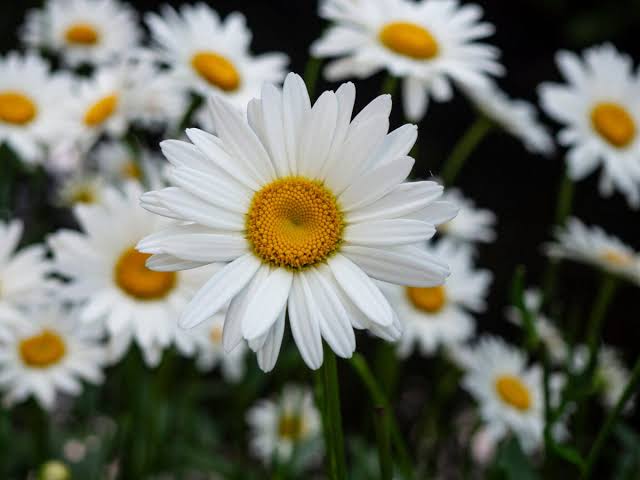
Chamomile is one of the most cherished flowers in gardens and herbal remedies alike. Known for its calming scent, dainty blooms, and countless health benefits, it’s no wonder gardeners and herbal enthusiasts everywhere want to grow it. This guide is Your ultimate guide to Chamomile flowers!, covering everything from planting and care to harvesting and creative uses.🌿 IntroductionChamomile is more than just a pretty garden flower. Its gentle, white-petaled blooms with golden centers are often used for teas, skincare, and natural remedies. In gardens across the United States, United Kingdom, and Canada, chamomile thrives with minimal care, making it a favorite for both beginner and experienced gardeners. By the end of this guide, you’ll know how to grow, harvest, and enjoy chamomile flowers year-round.🌼 H2: Types of Chamomile FlowersThere are two main varieties of chamomile:H3: German Chamomile (Matricaria chamomilla)Annual plantGrows up to 24 inches tallBest for tea and medicinal useProduces abundant flowers quicklyH3: Roman Chamomile (Chamaemelum nobile)Perennial plantLow-growing and spreads like a ground coverIdeal for lawns, borders, and ornamental gardensStrong, sweet fragrance🌱 H2: How to Grow Chamomile FlowersChamomile is easy to grow, but a few key tricks ensure a healthy and abundant bloom.H3: Choosing the Right LocationFull sun or partial shadeWell-drained soil, slightly sandy or loamyAvoid overly fertile soil; chamomile thrives in modest conditionsH3: Planting ChamomileSow seeds directly in the garden in spring or early summerLightly cover with soil; seeds need light to germinateThin seedlings to 8–10 inches apartCan also start indoors 4–6 weeks before the last frostH3: Watering & CareWater moderately; do not overwaterDeadhead spent flowers to encourage continuous bloomsChamomile is drought-tolerant once established🌸 H2: Harvesting Chamomile FlowersProper harvesting preserves flavor, fragrance, and medicinal properties.H3: TimingHarvest when flowers are fully open in the morningAvoid harvesting in wet conditionsH3: MethodSnip flowers individually or cut entire stemsDry flowers in a single layer on paper or in a dehydrator at low heatStore dried flowers in airtight containers away from light🌿 H2: Uses of Chamomile FlowersChamomile flowers are versatile in the kitchen, wellness routines, and garden aesthetics.H3: TeaDried chamomile flowers steeped in hot water make a calming teaCan blend with mint, lemon, or honeyH3: SkincareChamomile-infused oils or water soothe skin irritation, redness, and sunburnsH3: AromatherapyChamomile essential oil promotes relaxation and reduces stressFlowers can be added to sachets or bathwaterH3: Garden CompanionChamomile attracts beneficial insects like bees and predatory waspsEnhances growth of neighboring plants like cabbage and onions🌟 Practical Tips for Thriving ChamomileLight soil promotes bushier growthAvoid over-fertilizing — chamomile is naturally low-maintenancePrune regularly to prevent legginessGrow in containers if space is limitedRotate crops annually when planting in the garden to prevent disease🌼 H2: Common Problems & SolutionsH3: PestsAphids or thrips may attack; use neem oil or insecticidal soapH3: DiseasesPowdery mildew can appear in humid conditions; ensure good airflow and avoid overhead wateringH3: Weak GrowthMay be caused by too much shade or nutrient-rich soil; move to sunnier spots and moderate feeding🌿 H2: Creative Garden Ideas With ChamomileGround cover: Roman chamomile forms a fragrant, green carpetBorders & Edges: Plant along paths for a soft, inviting scentCompanion planting: Use alongside vegetables to attract pollinatorsPotted displays: Perfect for patios or small balconies🌸 ConclusionChamomile flowers are more than just charming garden blooms — they’re a natural wellness powerhouse and a gardener’s delight. From soothing teas to aromatic gardens, chamomile offers beauty, fragrance, and versatility. By following the tips in Your ultimate guide to Chamomile flowers!, you can grow healthy, vibrant chamomile plants that thrive year after year.With minimal effort and a bit of care, you’ll enjoy chamomile’s delicate flowers, calming teas, and aromatic presence right in your own garden.