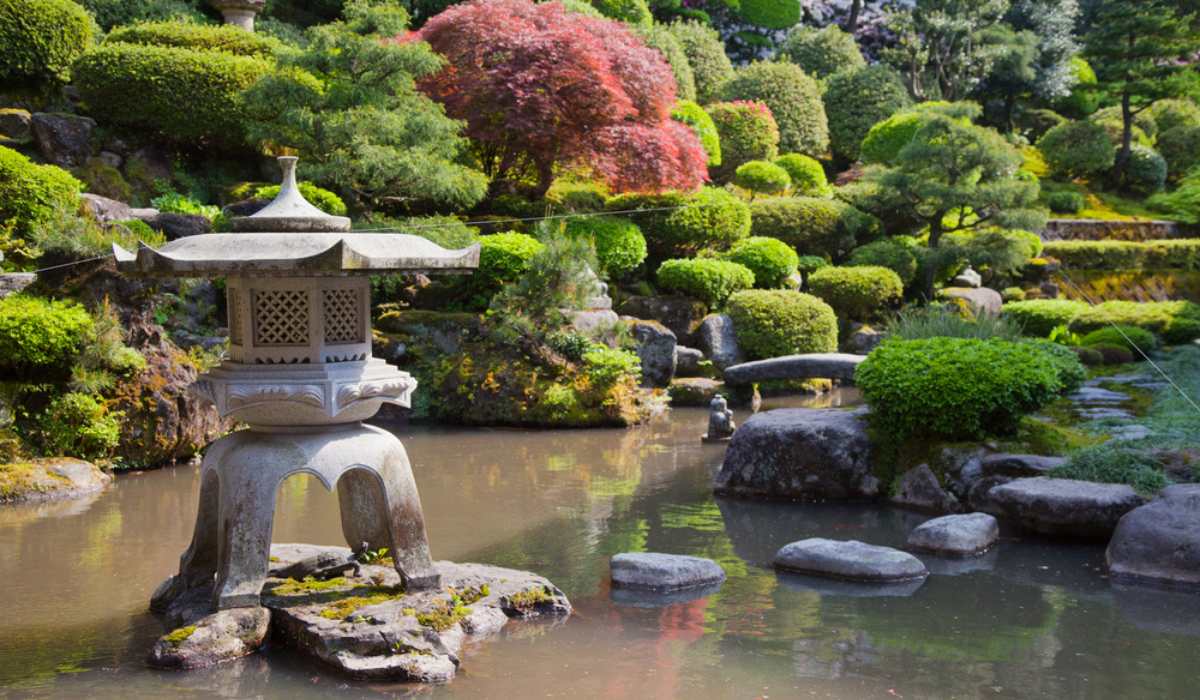
Simple Tricks to Japanese Garden Successfully!**A Japanese garden is more than a collection of plants—it’s a work of art inspired by nature, balance, and harmony. Whether you want to design a full traditional garden or add subtle Japanese touches to an existing space, these simple tricks will help you create an outdoor sanctuary that feels calm, elegant, and timeless.Let’s explore how you can achieve a beautiful Japanese-style garden with minimal effort.—# 🌸 **1. Start With Balance and Simplicity (The Core Principle)**Japanese gardens follow the idea of **natural simplicity** known as *Shibui*.That means:* Avoid clutter* Keep the design clean* Choose a few meaningful elements* Use natural materialsThink: calm, minimal, peaceful.A Japanese garden should feel like a small slice of nature that brings serenity to your day.—# 🌿 **2. Add Stones and Rocks for Structure**Rocks are considered the “bones” of a Japanese garden.### ✔ How to use them:* Place stones in odd-number groups (3, 5, 7)* Use different heights for natural shape* Partially bury rocks to make them look aged and grounded* Create stone pathways with uneven, irregular stepping stonesLarge stones represent mountains, while small stones symbolize riverbeds or gentle landscapes.—# 💧 **3. Include a Water Element (Even a Small One!)**Water represents renewal and peace in Japanese gardens.You can add:* A small pond* A bamboo fountain (*shishi-odoshi*)* A ceramic bowl filled with water* A simple birdbath surrounded by stonesEven the sound of dripping water creates a soothing, meditative atmosphere.—# 🍃 **4. Choose Japanese-Inspired Plants**You don’t need rare plants—you just need the right balance.### Popular plants for Japanese-style gardens:* Japanese maple* Bamboo (clumping type recommended)* Azaleas* Rhododendrons* Hostas* Ferns* Moss (or moss alternatives)* Ornamental grasses**Tip:** Choose plants with calming colors—mainly greens, deep reds, and soft whites.—# 🌳 **5. Use Curved Paths to Add Mystery**One of the simple tricks to Japanese garden successfully is designing **winding pathways**.Why?Japanese gardens avoid straight lines so visitors move slowly and thoughtfully, discovering beauty at every turn.Use:* Gravel* Flat stones* Stepping stones* Bark or mulchA curved path invites quiet reflection and exploration.—# 🪵 **6. Add Natural Wooden Elements**Wood brings warmth and authenticity.Try adding:* A wooden bench* A bamboo fence* A simple pergola* A wooden bridge (even a small decorative one)Choose materials that weather beautifully over time—aged wood adds character.—# 🌸 **7. Incorporate a Zen Sand or Gravel Area**A *karesansui* (dry garden) is a classic Japanese feature.You can create one easily:* Spread fine gravel or sand* Use a rake to draw flowing lines that represent water* Add 2–3 carefully placed stones or a moss moundThis area becomes a calm visual focus—almost like living artwork.—# 🔥 **8. Use Lanterns and Minimal Decor**Decorative elements should be subtle and meaningful, not overwhelming.Add:* Stone lanterns* Bamboo water spouts* A simple statue (like Buddha or Jizo)Place them partially hidden among plants for a sense of quiet discovery.—# 🍂 **9. Embrace All Seasons**A Japanese garden should change beautifully throughout the year.* Spring: cherry blossoms and azaleas* Summer: lush greenery and flowing water* Autumn: fiery maples and ornamental grasses* Winter: stones, evergreens, quiet structureChoose plants that give year-round interest.—# ✂️ **10. Practice Soft, Natural Pruning**Japanese gardens prefer natural, cloud-like forms.* Trim shrubs gently* Avoid harsh geometric shapes* Encourage soft curves* Keep trees airy by thinning branches lightlyThink of sculpting plants to accentuate their natural beauty—not controlling them.—# 🧹 **11. Keep the Space Tidy and Peaceful**A Japanese garden should feel fresh and clean.Regular maintenance tasks:* Rake gravel patterns* Sweep paths* Remove fallen leaves* Trim back overgrown plantsSimple, mindful upkeep keeps the garden relaxing and beautiful year-round.—# 🌿 **Practical Tips to Japanese Garden Successfully**Here are easy, actionable tips:### ✔ Start small—design one corner first.A single serene area can transform your entire garden.### ✔ Use local plants if Japanese varieties aren’t available.Hostas, ferns, and maples work beautifully.### ✔ Choose materials that look natural and weathered.Avoid shiny plastics and overly bright colors.### ✔ Add height layers—trees, shrubs, groundcovers.This creates depth and a sense of natural woodland.### ✔ Use symmetry sparingly—focus on asymmetry.Nature is never perfectly balanced.### ✔ Keep color simple.Green is the hero—bright colors should be accents only.—# 🌸 **Conclusion**Creating a Japanese garden doesn’t require professional landscaping—just intention, simplicity, and harmony. By using natural materials, choosing calming plants, and designing gentle pathways and water features, you can bring peaceful Japanese beauty right into your backyard.With these **simple tricks to Japanese garden successfully**, anyone can build a serene, timeless space that encourages quiet reflection, relaxation, and year-round enjoyment.If you want, I can also create:✨ A step-by-step Japanese garden layout✨ A plant list for your climate✨ A printable Japanese garden design planJust tell me!