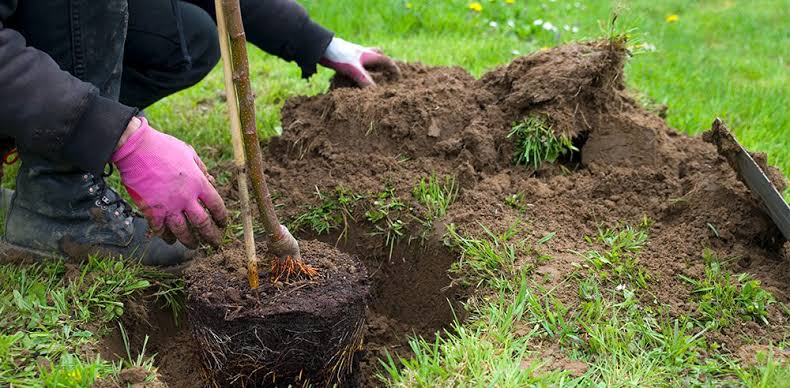
Planting a tree is one of the most rewarding activities you can do for your home, garden, or community. Trees provide shade, clean the air, beautify landscapes, and even improve mental well-being. Whether you live in the United States, the United Kingdom, or Canada, learning how to plant a tree the right way ensures it thrives for years to come. This must-try guide will give you step-by-step instructions, practical tips, and pro advice for healthy tree growth.Why Everyone Loves Planting Trees1. Environmental BenefitsTrees absorb carbon dioxide and release oxygenProvide habitats for birds and insectsReduce soil erosion and improve water retention2. Aesthetic AppealAdds structure, height, and greenery to any landscapeSeasonal changes in foliage create visual interest3. Personal RewardsPlanting a tree is a long-term investment in your property and communityGreat for family activities and teaching children about natureCreates a living legacy for future generationsStep 1: Choose the Right TreeFactors to ConsiderClimate: Pick a tree that thrives in your regionPurpose: Shade, ornamental, fruit-bearing, or privacySpace: Consider the mature height and canopy spreadSoil Type: Check whether the tree prefers clay, sandy, or loamy soilPopular Trees:Maple – beautiful autumn colorsOak – strong and long-livedCherry – lovely blossoms in springFruit trees – apple, pear, or citrus depending on your regionStep 2: Select the Ideal LocationEnsure the tree has enough sunlight (most trees need 6–8 hours daily)Avoid underground pipes, overhead wires, and buildingsMake sure there’s room for roots to grow and spreadTip: Use a tape measure to mark the area for proper spacing.Step 3: Prepare the Planting HoleDig a hole 2–3 times wider than the root ball, but no deeper than the roots’ heightLoosen the soil around the hole to encourage root expansionMix in compost or organic matter to enrich the soilPro Tip: Avoid planting too deep—root flare (where roots meet the trunk) should be visible above ground.Step 4: Plant the TreeRemove the tree from its container or burlapGently loosen any circling rootsPlace the tree in the center of the holeBackfill with soil, lightly tamping down to remove air pocketsWater thoroughly to settle the soilStep 5: Mulch and ProtectApply a 2–3 inch layer of mulch around the base, keeping it away from the trunkMulch retains moisture, suppresses weeds, and regulates soil temperatureConsider tree guards or stakes if planting in a windy or high-traffic areaStep 6: Watering and CareInitial watering: Deeply water immediately after plantingFirst year: Water 1–2 times per week, depending on rainfall and soil typeAfter first year: Water during dry periods until the tree is well-establishedTip: Deep, infrequent watering encourages strong root growth.Step 7: Pruning and MaintenanceRemove broken or damaged branches at plantingAvoid heavy pruning in the first yearMonitor for pests, diseases, or stress signsPro Tip: Prune in late winter or early spring for deciduous trees, and after flowering for flowering trees.Common Mistakes to AvoidPlanting too deep or too shallowNeglecting watering in the first yearCrowding trees too close to structures or other treesUsing chemical fertilizers immediately after plantingCorrecting these mistakes early helps ensure healthy growth.Why Everyone Loves Planting TreesCreates shade and lowers energy billsEnhances property value and curb appealSupports wildlife and local ecosystemsProvides emotional satisfaction and a lasting legacyTrees are more than plants—they’re a gift to the planet and future generations.ConclusionLearning how to plant a tree properly is simple but impactful. With the right tree selection, location, and care, your tree can grow strong, healthy, and beautiful for decades. Planting a tree isn’t just gardening—it’s an investment in the environment, your home, and your family’s future.Start today, nurture your tree, and see firsthand why everyone loves planting trees! 🌳✨