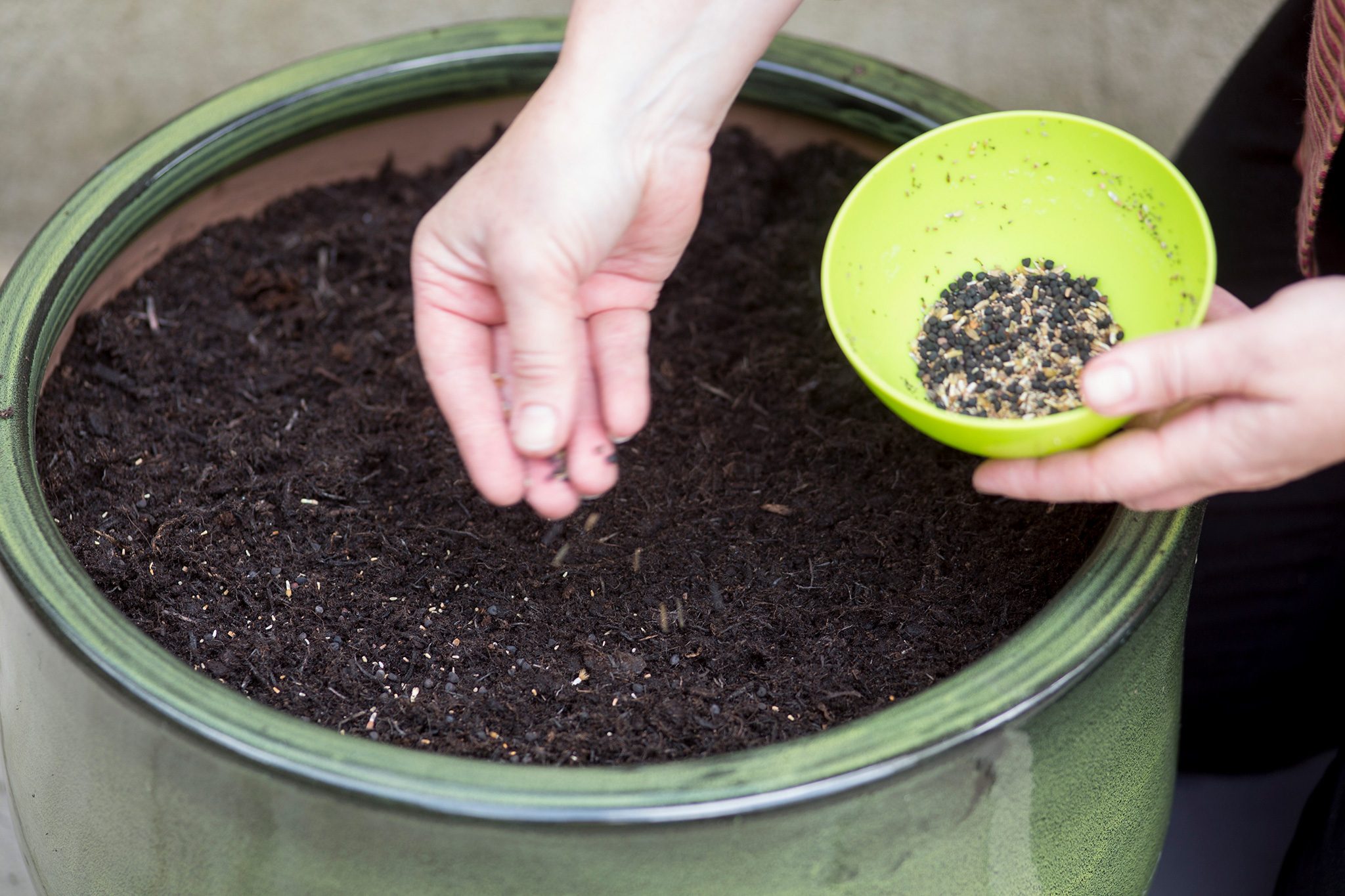
Planting wildflowers is one of the simplest and most rewarding ways to bring vibrant color, pollinators, and life to your garden. Whether you have a backyard, balcony, or patch of unused land, learning how to grow wildflowers can transform any space into a blooming paradise. This guide will show you how to Make it easy: How to plant wildflower seeds! with step-by-step instructions, practical tips, and expert advice suitable for beginners in the United States, United Kingdom, and Canada.🌿 IntroductionWildflowers are low-maintenance, eco-friendly, and incredibly versatile. Unlike traditional garden flowers, wildflowers often require less water, fewer fertilizers, and minimal care, making them ideal for busy gardeners. By planting wildflower seeds, you can support pollinators like bees and butterflies while creating a natural, beautiful garden.In this article, you’ll learn the secrets to successfully sowing wildflower seeds, preparing your soil, and maintaining a thriving meadow-style garden.🌱 Step 1: Choose the Right Wildflower SeedsThe first step to a successful wildflower garden is selecting seeds suited to your climate, soil, and garden goals.H2: Tips for Choosing SeedsNative species: Always choose wildflowers native to your region; they are easier to grow and attract local pollinators.Mix vs. single varieties: Seed mixes offer a colorful display throughout the season. Single-species seeds are better for themed gardens.Annual vs. perennial: Annuals bloom quickly but last one season, while perennials return year after year.Pro tip: In North America, look for “Pollinator-friendly” or “Native wildflower mix” seeds. In the U.K. and Canada, check regional seed suppliers for native species recommendations.🌿 Step 2: Prepare Your Planting AreaEven wildflowers need proper preparation for the best results.H3: Clear the AreaRemove grass, weeds, or debris.Loosen the soil using a garden fork or rake.Wildflowers prefer bare soil or lightly disturbed soil to germinate well.H3: Improve Soil (Optional)Wildflowers are adaptable but perform best in well-draining soil.Avoid over-fertilizing; high nutrients encourage weeds over flowers.For poor soil, mix in some compost to provide enough nutrients for early growth.🌱 Step 3: Sow Your Seeds CorrectlyCorrect sowing ensures maximum germination and healthy growth.H3: When to PlantSpring planting: Best for most climates, after the last frost.Fall planting: Certain seeds benefit from winter stratification in colder climates.H3: How to SowMix seeds with sand for even distribution.Scatter evenly over the prepared soil.Lightly press seeds into the soil using a rake or your hands. Avoid burying seeds too deep.Water gently but thoroughly to settle seeds into the soil.🌿 Step 4: Watering and CareWatering is crucial during germination and early growth.H3: Water RegularlyKeep soil consistently moist until seedlings appear.After germination, reduce watering; most wildflowers are drought-tolerant.H3: Protect Young PlantsUse light mulch or straw to retain moisture and prevent erosion.Consider temporary fencing if animals are a concern.Pro tip: Avoid heavy mulching, as wildflower seeds need sunlight to germinate.🌱 Step 5: Maintain Your Wildflower GardenOnce established, wildflowers require minimal maintenance.H3: Remove WeedsCheck periodically for invasive weeds that compete with young plants.Hand-pull weeds carefully to avoid disturbing seedlings.H3: Deadheading and PruningRemove spent blooms to encourage more flowering in some annuals.Leave some seed heads if you want flowers to self-seed for the next season.H3: Mulch and Fertilize SparinglyFertilizers are usually unnecessary. Over-fertilizing can favor weeds.Light mulch can help with moisture retention but keep it thin.🌿 Practical Tips to Make Wildflower Planting EasyStart small: Begin with a small patch and expand gradually.Mix heights and colors: For a natural meadow look, mix tall and short varieties.Use containers: Perfect for patios or balconies; just ensure good drainage.Rotate areas: For continuous blooms, reseed or rotate patches yearly.Attract pollinators: Plant near herbs and other flowering plants to encourage bees, butterflies, and hummingbirds.🌸 Benefits of Planting WildflowersLow-maintenance and cost-effectiveSupports biodiversity and pollinatorsEnhances curb appeal and natural beautyCan be used for cut flowers or bouquetsPromotes healthier soil and reduces erosion🌿 ConclusionPlanting wildflowers is a simple, rewarding, and sustainable way to beautify your garden. By following this guide, you can Make it easy: How to plant wildflower seeds!, even if you’re a beginner. From selecting the right seeds and preparing your soil to sowing, watering, and maintaining your garden, these steps ensure success while minimizing effort.Whether you live in the United States, United Kingdom, or Canada, wildflowers thrive with the right planning and care. Start small, enjoy the vibrant colors, and watch as your garden transforms into a blooming haven for pollinators and nature lovers alike. 🌼🌿✨