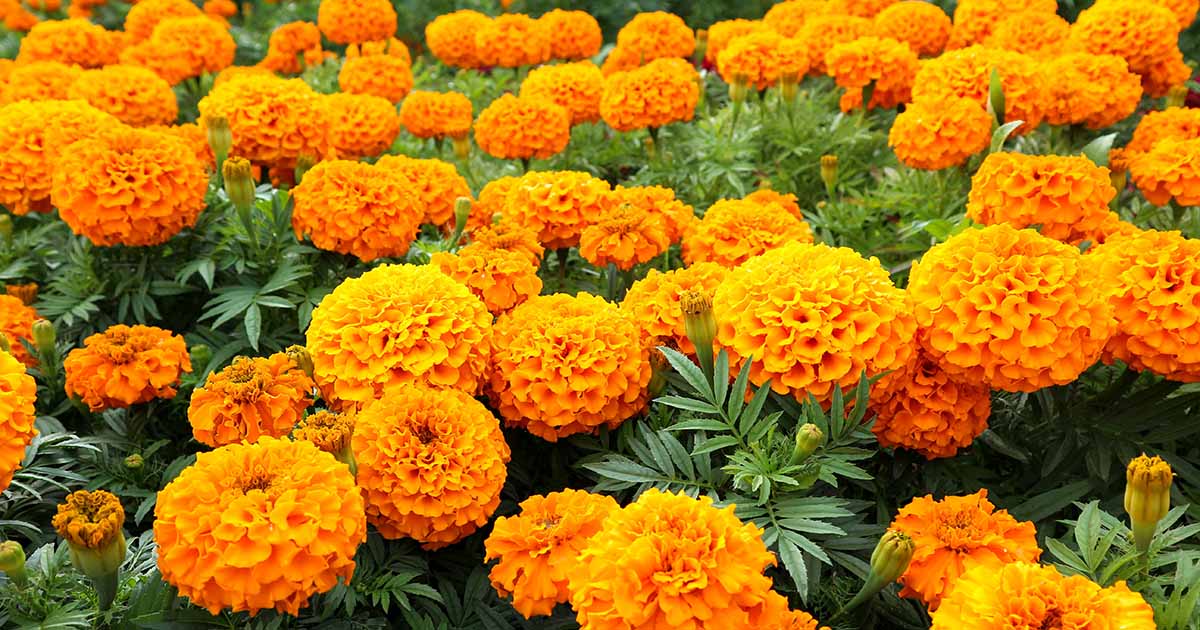
Few flowers brighten up a garden quite like marigolds. Their cheerful yellow, orange, and golden hues bring warmth, charm, and pollinator-friendly beauty to any outdoor space. Whether you’re a seasoned gardener or just getting started, you’ll love how easy and rewarding it is to grow these vibrant blooms from seed.In this guide, you’ll learn the secret to how to plant marigold seeds successfully — from choosing the right variety to planting, watering, and maintaining your flowers for a continuous, colorful display. With a few simple tricks, you can transform your garden beds, borders, and containers into a marigold paradise.Let’s dig in!🌱 Why Marigolds Are a Gardener’s Best FriendBefore diving into how to plant marigold seeds, it’s worth knowing why these flowers are such a staple in gardens around the world.Low Maintenance: Marigolds thrive even with minimal care.Pest Repellent: Their strong scent naturally repels aphids, nematodes, and even mosquitoes.Pollinator-Friendly: Bees and butterflies love marigolds, making them great for eco-friendly gardens.All-Season Color: With proper care, marigolds bloom from early summer until the first frost.Versatile Beauty: Perfect for flower beds, borders, hanging baskets, and pots.Now that you know why they’re so beloved, let’s uncover the secret to planting marigold seeds the right way.🌸 Choosing the Right Marigold VarietyNot all marigolds are the same. Understanding the types will help you pick the best fit for your garden.1. African Marigolds (Tagetes erecta):Tall and bold, with large, round blooms.Ideal for garden borders and large flower beds.Best suited for full sun and warm climates.2. French Marigolds (Tagetes patula):Shorter and bushier with compact, colorful flowers.Great for edging, containers, and small spaces.Thrive in both cool and warm conditions.3. Signet Marigolds (Tagetes tenuifolia):Delicate and fine-leaved, with smaller edible flowers.Perfect for herb gardens and salads.When you learn the secret to how to plant marigold seeds, you’ll see that choosing the right type is the first step to success.🌿 Step-by-Step: How to Plant Marigold SeedsLet’s walk through the exact process so you can grow lush, healthy marigolds that bloom beautifully all season long.Step 1: Gather Your MaterialsYou’ll need:Marigold seeds (fresh and quality-tested)Seed-starting trays or small potsLight, well-draining soil mixA watering can or spray bottleSunlight or a grow lightStep 2: Start Indoors (Optional but Helpful)To get a head start, you can sow marigold seeds indoors 4–6 weeks before the last frost.Fill trays or pots with seed-starting mix.Sprinkle marigold seeds on the surface, then lightly cover with ¼ inch of soil.Mist gently with water — don’t soak!Place trays in a warm, sunny location (around 70°F / 21°C).In 5–7 days, you’ll see tiny green sprouts appear — your marigolds are on their way!Step 3: Transplanting OutdoorsOnce the seedlings are 2–3 inches tall and the danger of frost has passed, it’s time to move them outdoors.Choose a sunny spot — marigolds love full sun (at least 6 hours daily).Loosen the soil to 6–8 inches deep and mix in compost for nutrients.Transplant each seedling carefully, spacing them:French Marigolds: 6–9 inches apartAfrican Marigolds: 12–18 inches apartWater gently after transplanting to help them settle in.If you prefer, you can also sow marigold seeds directly into garden soil once it’s warm enough — around 65°F (18°C) or higher.Step 4: Watering and FeedingHere’s another part of the secret to how to plant marigold seeds — balanced watering.Keep the soil consistently moist but not soggy.Water at the base of the plant, avoiding the leaves to prevent mildew.Once the plants are established, they’re drought-tolerant — water only when the top inch of soil feels dry.For feeding, use a mild liquid fertilizer every 3–4 weeks. However, don’t over-fertilize — too much nitrogen can cause lush leaves but fewer blooms.Step 5: Maintenance and CareMarigolds are easygoing, but a few small habits will keep them at their best:Deadhead regularly: Removing spent blooms encourages more flowers.Watch for pests: Marigolds repel many bugs, but spider mites can appear in dry conditions.Prune gently: Trim leggy stems to maintain a full, compact shape.Mulch lightly: Helps retain moisture and suppress weeds.Following these steps ensures your marigolds stay bright, bushy, and blooming for months!🌼 Practical Tips for Marigold SuccessHere are a few insider tricks to help your garden thrive:Use good-quality seeds. Fresh seeds have a higher germination rate.Avoid overwatering. Marigolds prefer slightly dry soil once established.Give them full sunlight. Shade reduces flowering.Rotate planting locations yearly. Prevents soil-borne pests.Save seeds! At the end of the season, collect dry seed heads for next year’s planting.With these simple secrets to planting marigold seeds, you’ll enjoy continuous blooms year after year.🌻 Common Mistakes to AvoidEven though marigolds are beginner-friendly, a few pitfalls can hold you back:Planting too early: Cold soil slows germination. Wait until frost danger passes.Dense planting: Overcrowding limits airflow and causes fungal problems.Poor drainage: Marigolds dislike “wet feet.” Ensure your soil drains well.Neglecting deadheading: Removing old flowers keeps the plant producing new ones.Avoiding these mistakes ensures your marigolds stay healthy and prolific.🌞 When and How to Harvest SeedsPart of learning the secret to how to plant marigold seeds is knowing how to harvest your own!Wait until the flower heads are brown and dry.Gently pull apart the head to reveal slender, black-and-white seeds.Spread them on paper to dry completely.Store in a cool, dry place in labeled envelopes for next year.This makes your gardening self-sufficient — no need to buy new seeds every season!🌷 Conclusion: Let Your Garden Glow with MarigoldsBy now, you’ve learned the secret to how to plant marigold seeds — from choosing the right variety to caring for your blooms all season long. These flowers are not just beautiful; they’re tough, beneficial, and full of character.In just a few weeks, you can watch your garden transform into a lively, colorful space buzzing with bees and butterflies. Whether you plant them in pots, borders, or veggie patches, marigolds add instant joy and vibrance to your outdoor oasis.So grab your seeds, get your hands in the soil, and learn the secret to how to plant marigold seeds — you’ll be amazed at how simple and rewarding it is to grow your own sunshine! 🌞