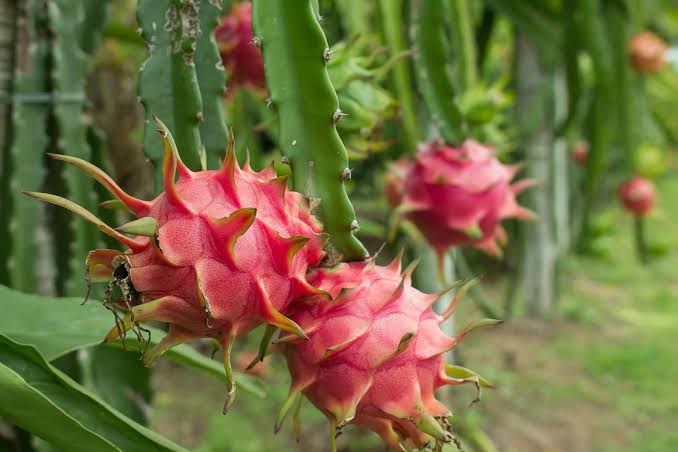
Dragon fruit plants are surprisingly easy to grow once you understand a few foundational rules. Many gardeners assume tropical plants require complex care, but with dragon fruit, the opposite is true. It’s hardy, fast-growing, and adaptable—making it a fantastic choice for beginners and experienced growers alike.Here’s why this guide is perfect for you:You’ll learn an easy, step-by-step method that makes growing dragon fruit simple.It’s written for everyday home gardeners in the U.S., U.K., and Canada.It includes practical tips you can apply today.You’ll understand the essential conditions dragon fruit needs to thrive.Let’s simplify the process so you can confidently say: “Now I know How to plant dragon fruit Made Simple!”Choosing the Right Type of Dragon FruitBefore planting, you’ll need to choose the variety best suited for your region and growing style.Common Varieties1. White-Fleshed Dragon Fruit (Hylocereus undatus)Easiest to growExtremely productiveMild flavor, very refreshing2. Red-Fleshed Dragon Fruit (Hylocereus costaricensis)Sweet flavorBright red fleshNeeds slightly warmer temperatures3. Yellow Dragon Fruit (Selenicereus megalanthus)Very sweetSmaller fruitSlower growthAll varieties grow well indoors or in containers, making them suitable for cooler climates like the U.K. and Canada.How to Plant Dragon Fruit Made Simple! Step-by-Step GuideStep 1: Choose Between Seeds or CuttingsYou can grow dragon fruit from seeds or cuttings—but for a quicker harvest, choose cuttings.Growing from CuttingsFaster growthFruit within 1–2 yearsMore reliableRecommended for beginnersGrowing from SeedsSlow (can take 5–7 years to fruit)Better for hobby growersRequires patienceIf your goal is simplicity, cuttings are the way to go—another reason this method explains How to plant dragon fruit Made Simple!Step 2: Select the Right Container or Garden LocationDragon fruit is a climbing cactus and needs support as it grows.Container RecommendationsMinimum size: 5 gallons (bigger is better!)Use a deep pot with drainage holesIdeal for regions with cold wintersOutdoor Ground PlantingChoose a location that receives:6–8 hours of full sunlightProtection from frost and cold windsWell-draining soilStep 3: Prepare the SoilDragon fruit grows best in slightly acidic to neutral soil (pH 6–7).Best Soil MixCreate a light, fast-draining mixture:40% cactus or succulent soil30% compost20% sand or perlite10% organic matter (like coconut coir)This mix prevents the roots from sitting in water, which is essential for healthy cactus growth.Step 4: Planting Your Dragon Fruit CuttingHere’s where the core of How to plant dragon fruit Made Simple! really shines.How to Plant a CuttingLet the cutting dry for 2–4 days until the cut end calluses.Insert the cutting 2–3 inches deep into the soil.Firm the soil gently around it.Lightly water the soil (don’t soak it).Place the pot in a warm, sunny location.Within a few weeks, your cutting will sprout roots and begin climbing upward.Step 5: Provide a Strong Support StructureDragon fruit plants naturally climb trees in the wild. At home, they need a sturdy structure such as:Wooden postsTall stakesTrellisesConcrete pillarsTie the cactus gently as it grows, allowing the arms to drape once the top is reached.This is a critical part of How to plant dragon fruit Made Simple!, because without support, the plant can break or fail to fruit.Step 6: Watering ScheduleAlthough dragon fruit is a cactus, it needs more water than desert varieties.Watering RulesWater deeply but only when the top 2 inches of soil are dry.Reduce watering in winter.Avoid waterlogging—dragon fruit roots can rot easily.A good guideline is once every 5–7 days in warm weather.Step 7: Fertilizing for Strong GrowthDragon fruit benefits from regular feeding.Best FertilizersBalanced organic fertilizer (10-10-10)Compost teaWorm castingsSlow-release granular fertilizerFeeding ScheduleEvery 4 weeks during spring and summerEvery 6–8 weeks during fallSkip fertilizing in winterProper feeding supports flowering and helps your plant produce large, sweet fruit.Caring for Your Dragon Fruit as It GrowsPruningPrune to encourage strong airflow and fruiting.Remove:Weak stemsOvercrowded branchesDamaged or rotting sectionsA well-pruned plant is easier to manage and more productive.Flowering and FruitingDragon fruit blooms at night—its large, fragrant flowers last only a few hours!Tips for Better FloweringEnsure full sunUse high-phosphorus fertilizerKeep the plant supportedMaintain moderate wateringIn cooler climates, a greenhouse or indoor grow light helps trigger blooming.PollinationSome varieties are self-pollinating, but others require cross-pollination.If Your Variety Needs Hand-PollinationCollect pollen with a small brush.Transfer it to another flower’s stigma.Do this at night when flowers open.This ensures fruit set—even indoors.Common Problems and How to Fix Them1. Root RotCause: OverwateringFix: Improve drainage, water less often, use sand or perlite2. Yellowing StemsCause: Too much sun or nutrient imbalanceFix: Provide partial shade during extreme heat; check fertilizer3. Slow GrowthCause: Cold temperaturesFix: Move indoors or to a greenhouse during cold months4. PestsDragon fruit rarely has pest issues, but occasionally:MealybugsAphidsSnailsUse organic soap spray or neem oil for control.Practical Tips for SuccessHere are the most important takeaways to make How to plant dragon fruit Made Simple! a reality:1. Use the Largest Container You CanBigger pots allow stronger root development, leading to faster fruiting.2. Keep the Plant WarmDragon fruit grows best between:65–85°F (18–29°C)3. Use a Timer for Grow Lights (If Indoors)12–14 hours of light daily keeps your plant productive.4. Remember That Dragon Fruit Is a ClimberStrong support is essential—not optional.5. Stay PatientDragon fruit takes time to establish, but once it begins fruiting, production increases every year.Conclusion: How to Plant Dragon Fruit Made Simple! Start Growing TodayGrowing dragon fruit at home is easier than most people think. With the right soil, sunlight, and support structure, you can enjoy healthy and productive plants—even in cooler regions of the U.S., U.K., and Canada. By following this guide, you truly have How to plant dragon fruit Made Simple! in a clear, step-by-step format.Whether you’re planting in the ground, a container, or a greenhouse, the process is accessible, enjoyable, and incredibly rewarding. Dragon fruit plants not only produce stunning tropical fruit but also add beautiful, architectural greenery to your home or garden.