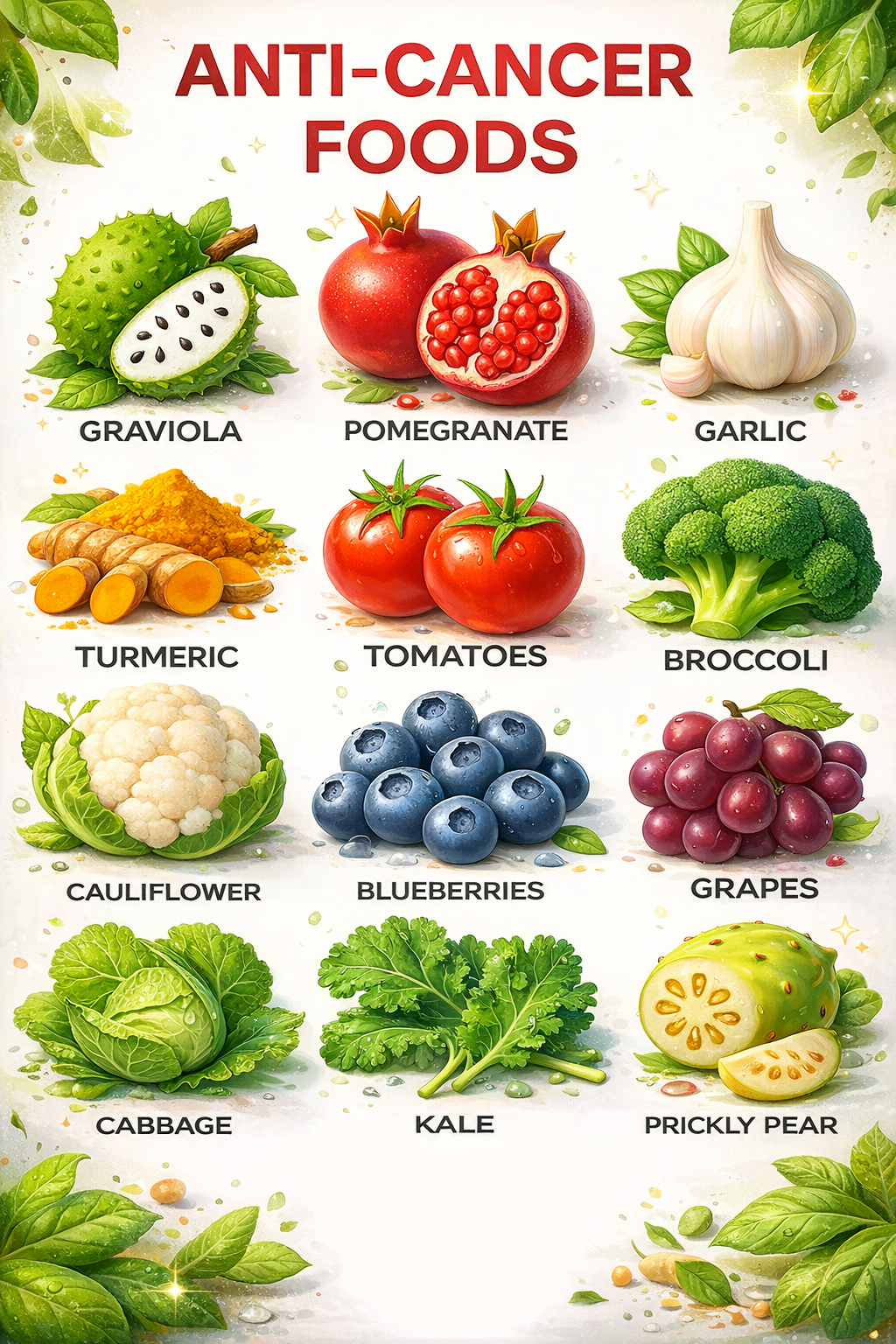
Cancer remains one of the leading causes of illness worldwide, affecting millions of people each year across the United States, the United Kingdom, and Canada. While genetics and environmental factors play a role, research increasingly shows that diet and lifestyle choices have a powerful influence on cancer risk. Among these choices, nutrition stands out as one of the most effective and accessible ways to support long-term health.Scientific evidence suggests that certain foods can help lower your cancer risk by providing protective nutrients and antioxidants that defend the body against cellular damage, chronic inflammation, and oxidative stress. These foods do not prevent cancer on their own, but when consumed regularly as part of a balanced diet, they contribute to a healthier internal environment that makes it harder for cancer to develop.This article explores how cancer-protective foods work, which nutrients matter most, and how you can practically incorporate them into your daily meals.How Diet Influences Cancer RiskThe Role of Oxidative Stress and InflammationCancer often begins with damage to DNA caused by free radicals, unstable molecules produced during normal metabolism or from external sources like pollution, smoking, and poor diet. When free radicals overwhelm the body’s defenses, oxidative stress occurs, increasing the risk of abnormal cell growth.Antioxidants found in many whole foods help neutralize free radicals, reducing cellular damage. In addition, chronic inflammation has been linked to several cancers, including colorectal, breast, and prostate cancer. Foods rich in anti-inflammatory compounds can help regulate this process.This is why certain foods can help lower your cancer risk by providing protective nutrients and antioxidants that work together to support cellular health.Key Nutrients That Support Cancer PreventionAntioxidantsAntioxidants such as vitamin C, vitamin E, beta-carotene, flavonoids, and polyphenols protect cells from oxidative damage. These compounds are abundant in fruits, vegetables, nuts, seeds, and teas.Dietary FiberFiber supports digestive health, helps regulate blood sugar, and feeds beneficial gut bacteria. A high-fiber diet is strongly associated with a lower risk of colorectal cancer and may reduce inflammation throughout the body.PhytochemicalsPhytochemicals are naturally occurring plant compounds that have anti-cancer properties. They may help slow tumor growth, support detoxification, and regulate hormones.Vegetables That Help Lower Cancer RiskCruciferous Vegetables (H3)Broccoli, cauliflower, kale, cabbage, and Brussels sprouts are among the most studied cancer-protective foods. They contain sulfur-based compounds such as sulforaphane and indole-3-carbinol, which help the body eliminate carcinogens and may slow cancer cell growth.Regular consumption of cruciferous vegetables has been linked to a reduced risk of lung, breast, prostate, and colorectal cancers.Leafy GreensSpinach, Swiss chard, romaine lettuce, and arugula are rich in folate, carotenoids, and chlorophyll, which support DNA repair and immune function.Fruits Rich in Protective AntioxidantsBerriesBlueberries, strawberries, raspberries, and blackberries are packed with anthocyanins and vitamin C, powerful antioxidants that protect cells from damage. Berries are also low in sugar and high in fiber, making them ideal for daily consumption.Citrus FruitsOranges, grapefruits, lemons, and limes provide vitamin C and limonoids, compounds that may help inhibit the growth of cancer cells and support immune defense.Including a variety of fruits supports the idea that certain foods can help lower your cancer risk by providing protective nutrients and antioxidants naturally.Whole Grains and Legumes for Cancer ProtectionWhole GrainsWhole grains such as oats, brown rice, quinoa, barley, and whole wheat retain their fiber, vitamins, and minerals. Diets high in whole grains are associated with a lower risk of colorectal and digestive cancers.Beans and LentilsLegumes are rich in fiber, protein, folate, and phytochemicals. They help stabilize blood sugar levels and promote gut health, both of which play a role in cancer prevention.Healthy Fats That Support Cellular HealthFatty FishSalmon, sardines, mackerel, and trout are rich in omega-3 fatty acids, which help reduce inflammation and may slow the progression of certain cancers.Nuts and SeedsWalnuts, almonds, flaxseeds, chia seeds, and sunflower seeds provide healthy fats, fiber, and antioxidants. Flaxseeds, in particular, contain lignans, which may help regulate hormone-related cancers.Herbs, Spices, and Beverages with Anti-Cancer PropertiesGarlic and OnionsThese allium vegetables contain organosulfur compounds that may help inhibit tumor growth and enhance immune response.TurmericTurmeric contains curcumin, a powerful anti-inflammatory compound studied for its potential role in cancer prevention.Green TeaGreen tea is rich in catechins, especially EGCG, which may help reduce the risk of breast, prostate, and liver cancers.Foods and Habits to LimitWhile focusing on protective foods is essential, reducing exposure to harmful dietary factors is equally important.Limit:Processed meats (sausages, bacon, deli meats)Excess red meatRefined sugars and ultra-processed foodsExcessive alcohol consumptionBalancing your diet helps reinforce the principle that certain foods can help lower your cancer risk by providing protective nutrients and antioxidants when harmful foods are minimized.Practical Tips to Add Cancer-Protective Foods to Your DietAim for half your plate to be vegetables and fruits at each mealChoose whole grains instead of refined grainsAdd beans or lentils to soups, salads, and stewsSnack on nuts, seeds, or fresh fruit instead of processed snacksUse herbs and spices like turmeric, garlic, and ginger regularlyDrink green tea or water instead of sugary beveragesCook vegetables lightly to preserve nutrientsConsistency matters more than perfection. Small daily choices add up over time.ConclusionCancer prevention is complex, but nutrition plays a meaningful role in reducing risk and supporting overall health. A growing body of research confirms that certain foods can help lower your cancer risk by providing protective nutrients and antioxidants that combat oxidative stress, inflammation, and cellular damage.By emphasizing whole, plant-based foods such as vegetables, fruits, whole grains, legumes, nuts, seeds, and healthy fats, you create a dietary pattern that supports your body’s natural defense systems. While no single food guarantees protection, a balanced and nutrient-rich diet—combined with physical activity and healthy lifestyle habits—offers a powerful foundation for long-term wellness.Making informed food choices today can help protect your health for years to come.