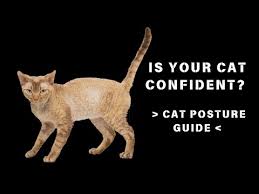
Cats are masters of nonverbal communication. Their posture, tail movements, ear positions, and even eye contact can reveal more than words ever could. For cat owners in the United States, United Kingdom, and Canada, learning to read these signals can improve bonding, prevent misunderstandings, and help you respond to your cat’s needs effectively.Whether your cat is curled up in a ball, arching its back, or sitting tall and alert, 🐾 what your cat’s posture shows can tell you a lot about their mood, health, and intentions. Let’s explore the key postures and what they mean.Why Cat Posture MattersCats rely heavily on body language to communicate. Unlike dogs, who may vocalize more openly, cats often use subtle movements to express themselves. Observing posture can help you:Detect stress or discomfort earlyUnderstand play versus aggressionStrengthen your bond with your catRecognize when your cat is unwellReading 🐾 what your cat’s posture shows helps you respond appropriately and ensures your cat feels safe and understood.Common Cat Postures and Their Meanings1. The Relaxed CurlDescription: Cat is curled up in a tight ball, sometimes covering its face with paws.Meaning: Contentment and comfort. Your cat feels safe and warm.2. Loaf PositionDescription: Paws tucked under the body, tail wrapped around, body resembling a loaf of bread.Meaning: Relaxed but alert. The cat is resting while staying ready to react if needed.3. Tail Upright with Slight CurveDescription: Cat stands or walks with the tail pointing upward, sometimes with a small curl at the tip.Meaning: Friendly greeting or confidence. This posture often signals that your cat is happy to see you.4. Arched Back and Puffed FurDescription: Cat arches its back, fur stands on end, ears flattened.Meaning: Fear or defensive aggression. The cat is trying to appear larger to ward off threats.5. Sideways or Low Body with Tail FlickingDescription: Body lowered to the ground, ears back, tail flicking quickly.Meaning: Irritation or overstimulation. Often a warning to back off or stop petting.6. Belly UpDescription: Cat lies on its back, exposing its belly.Meaning: Trust—but not always an invitation to touch. Many cats expose their belly when they feel safe but may react if you try to pet it.7. Kneading MotionDescription: Cat pushes paws in and out against a soft surface, sometimes purring.Meaning: Comfort, contentment, and marking territory. Kneading releases scent from paw glands.How Tail Movements Enhance Posture SignalsThe tail is a crucial part of 🐾 what your cat’s posture shows:Slow, gentle swish: Relaxed and contentRapid flicking: Annoyance or excitementTucked tail: Fear or submissionTail straight up: Confident and friendlyPay attention to the tail in combination with overall posture for accurate interpretation.Ear and Eye SignalsEars Forward: Curiosity, focus, or interestEars Flattened: Fear or aggressionSlow Blinking: Affection and trust (often called “cat kisses”)Dilated Pupils: Excitement, fear, or stressCombining ear, eye, and posture cues helps you understand your cat’s mood in context.Practical Tips for Reading Your Cat’s Body LanguageObserve Before Touching: Watch for signs of relaxation versus tension.Avoid Sudden Movements: Startled cats may react defensively.Respect Boundaries: Belly up doesn’t always mean “pet me.”Consistency Matters: Cats respond to consistent, gentle interactions.Monitor Changes: A sudden change in posture or behavior can signal illness or discomfort.Fun Facts About Cat PosturesCats communicate more through posture than vocalization.Cats often knead and purr simultaneously when extremely content.A sideways, puffed-up cat is displaying its “Halloween cat” pose, which is a defensive instinct from wild ancestors.Why Understanding Cat Posture Is BeneficialLearning 🐾 what your cat’s posture shows helps:Reduce stress for both you and your catImprove daily interactions and playtimePrevent bites or scratchesEnhance emotional bonding and trustOwners in North America and the UK have noticed that recognizing subtle cues makes their cats feel safer and happier in their environment.ConclusionCats communicate volumes without a single meow. Their posture, tail, ears, and eyes all tell a story. From the relaxed curl of comfort to the arched-back warning of fear, understanding these signals helps you care for your feline friend better.Next time your cat curls up, arches, or flicks its tail, take a moment to observe and interpret. 🐾 What your cat’s posture shows can guide your interactions, ensure your cat feels secure, and strengthen the bond between you. With careful observation, you’ll soon become fluent in the silent, fascinating language of cats. 🐾💛