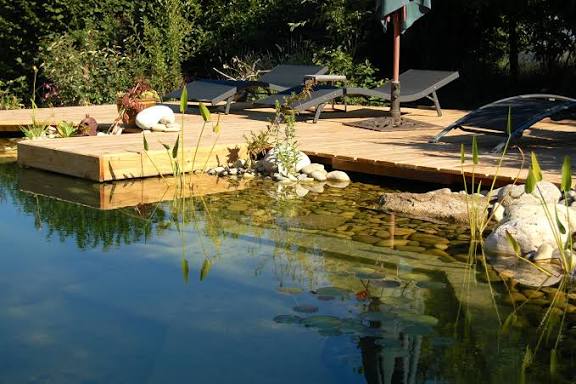
A Beautiful, Chemical-Free Way to Swim in Harmony with NatureA natural pool—also known as a swimming pond or bio pool—is a stunning, eco-friendly alternative to traditional chlorine pools. Instead of harsh chemicals, natural pools use plants, beneficial bacteria, and biological filtration to keep water crystal clear and safe for swimming. The result? A backyard oasis that looks like a serene pond but functions as a fully swimmable pool.This step-by-step guide to building and maintaining a natural pool is designed for homeowners in the United States, United Kingdom, and Canada who want a sustainable, low-chemical swimming solution that blends beautifully with the landscape.🌱 What Is a Natural Pool?A natural pool is divided into two main zones:Swimming Zone – The area where you swimRegeneration Zone – A planted area where aquatic plants and microorganisms naturally clean the waterWater continuously circulates between these zones, mimicking natural lakes and streams.Key Differences from Traditional PoolsNo chlorine or salt systemsUses plants and biological filtersMore wildlife-friendlyVisually blends into gardens and landscapes🌍 Benefits of a Natural PoolEco-Friendly & Chemical-FreeNatural pools rely on biology, not chemicals, making them safer for people, pets, and the environment.Gentle on Skin and EyesNo chlorine means no red eyes, dry skin, or chemical smells.Lower Long-Term Maintenance CostsWhile initial construction can be similar in cost, ongoing expenses are usually lower.Year-Round BeautyEven when not in use for swimming, a natural pool enhances your garden as a living water feature.🧭 Step 1: Planning Your Natural PoolChoose the Right LocationFull sun or partial sun (6–8 hours ideal)Away from large trees (reduces leaf debris)Well-draining soilDecide on Size and ShapeNatural pools can be:Formal and geometricFree-form and pond-likeLarger pools are generally easier to keep balanced than very small ones.Check Local RegulationsBefore building, check zoning laws and safety requirements in your area (especially fencing and depth rules).🏗️ Step 2: Excavation and StructureDigging the PoolExcavate separate areas for:Swimming zone (usually deeper)Regeneration zone (shallow for plants)Install a Waterproof LinerMost natural pools use:EPDM rubber linersReinforced PVC linersThese are durable, flexible, and plant-safe.🌿 Step 3: Create the Natural Filtration SystemThe Regeneration ZoneThis is the heart of your natural pool system. It contains:Gravel or lava rock substrateAquatic plantsBeneficial microorganismsBest Plants for Natural PoolsWater liliesReedsRushesIrisHornwortThese plants absorb nutrients, preventing algae growth.🔄 Step 4: Water Circulation and PumpsA gentle circulation system keeps water moving between zones.What You’ll NeedLow-energy pumpSkimmer (for leaves and debris)Biological filter (optional but helpful)Water should circulate at least once every 24 hours.💧 Step 5: Filling and Balancing the PoolFill your pool with clean water (tap or well water). Initially:Water may appear cloudyAlgae may bloom brieflyThis is normal. Within a few weeks, the ecosystem stabilizes.TipAvoid swimming during the first 4–6 weeks while the biology establishes.🧹 Step 6: Maintaining Your Natural PoolWeekly MaintenanceSkim leaves and debrisCheck pump and water flowMonthly MaintenanceTrim plants as neededRemove excess algae manuallySeasonal MaintenanceSpring: Clean filters, reintroduce plantsAutumn: Remove fallen leavesWinter: In cold climates, keep a small area ice-freeNatural pools do not require draining like traditional pools.❌ Common Mistakes to AvoidToo few plants in the regeneration zoneOverfeeding fish (if added)Using chemical cleanersPoor circulation designSkipping regular debris removal🌎 Natural Pool Maintenance in Different ClimatesUnited States & CanadaCold winters may require frost protectionPools can overwinter naturallyUnited KingdomIdeal climate for natural poolsConsistent rainfall helps maintain water levelsNatural pools adapt well to seasonal changes when properly designed.💡 Practical Tips for Long-Term SuccessBigger regeneration zones = clearer waterNative plants perform bestPatience is key—nature takes timeKeep nutrients low (no lawn runoff)Manual cleaning beats chemical fixes💰 Cost Breakdown (Approximate)DIY Natural Pool: Moderate costProfessionally Built: Higher upfront costLong-Term Savings: No chemicals, lower energy useWhile prices vary, many homeowners find the long-term value worth the investment.🌿 ConclusionA natural pool is more than a place to swim—it’s a living ecosystem that brings beauty, sustainability, and wellness into your outdoor space. By following this step-by-step guide to building and maintaining a natural pool, you can enjoy clean, chemical-free water while supporting nature rather than fighting it.With thoughtful planning, the right plants, and gentle maintenance, your natural pool will reward you with years of refreshing swims and tranquil views. 💧🌿