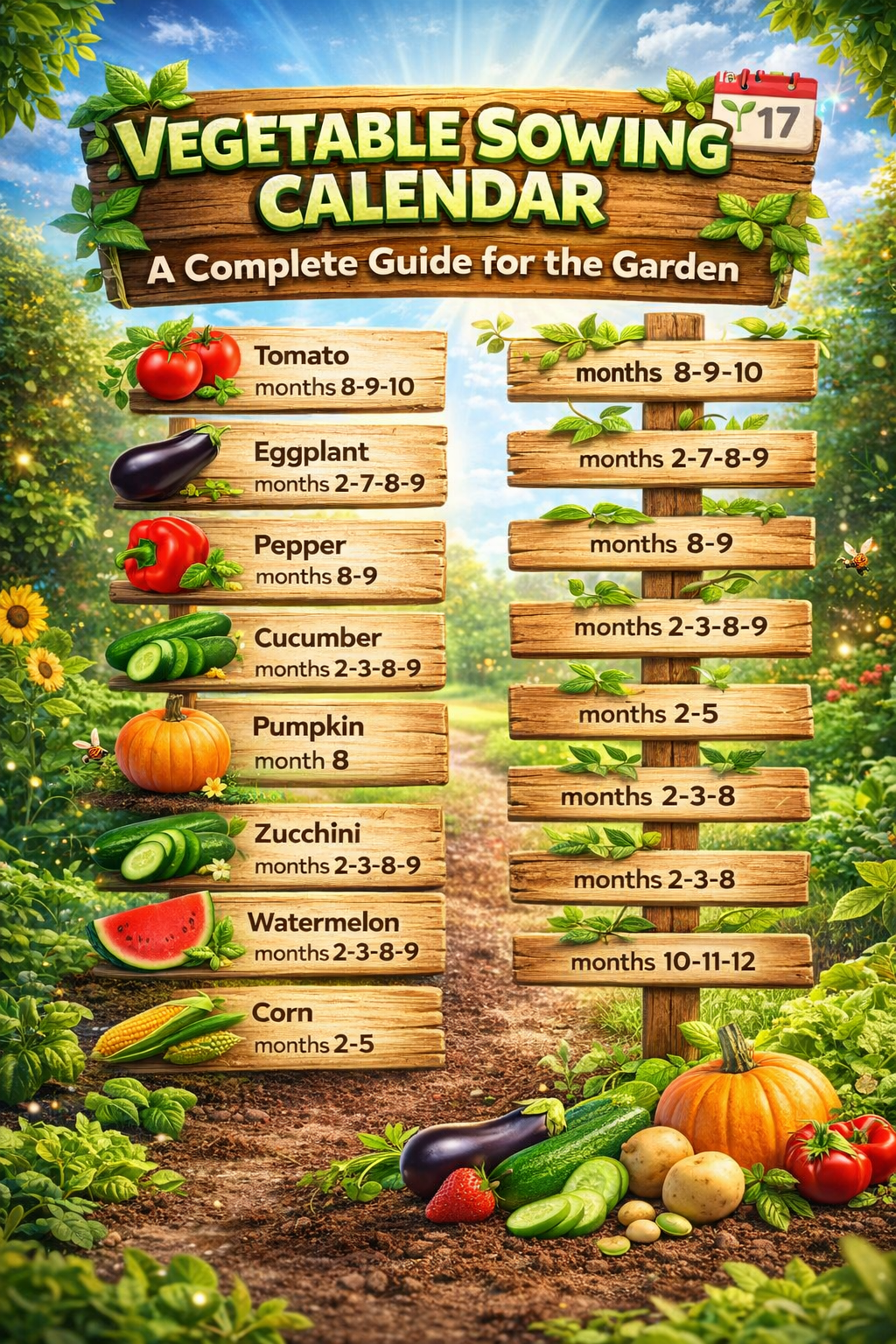
A successful vegetable garden starts with timing. Knowing when to plant is just as important as knowing what to plant. This Vegetable Planting Calendar: Complete Garden Guide is designed to help gardeners in the United States, United Kingdom, and Canada plan their growing seasons with confidence.Because climates vary by region, this guide focuses on temperate-zone gardening (the most common across these countries), with clear notes to help you adjust based on your local frost dates. Whether you’re growing in raised beds, containers, or backyard plots, this calendar will help you maximize yields and avoid common planting mistakes.How to Use This Vegetable Planting CalendarBefore diving in, keep these basics in mind:🌡️ Know Your Frost DatesLast spring frost → determines when warm-season crops can go outsideFirst fall frost → signals when to harvest or protect plantsLocal extension services or weather websites can give you exact dates.🌱 Cool-Season vs Warm-Season CropsCool-season vegetables tolerate frost and prefer mild temperaturesWarm-season vegetables need warm soil and air temperaturesThis distinction is the backbone of any reliable vegetable planting calendar.🌸 Spring Planting Guide (March–May)Spring is all about cool-season vegetables and early starts.H2: Early Spring (March–Early April)(As soon as soil can be worked)Direct Sow Outdoors:SpinachPeasRadishesLettuceArugulaTurnipsStart Indoors:TomatoesPeppersEggplantBroccoliCauliflower💡 Tip: Cold soil slows germination—use row covers for faster results.H2: Mid to Late Spring (Late April–May)Direct Sow Outdoors:CarrotsBeetsSwiss chardPotatoesTransplant Outdoors (After Frost):BroccoliCabbageKaleWait Until After Last Frost For:BeansCornThis phase of the Vegetable Planting Calendar: Complete Garden Guide bridges cool and warm seasons.☀️ Summer Planting Guide (June–August)Summer focuses on warm-season crops and succession planting.H2: Early Summer (June)Direct Sow:Bush beansPole beansCucumbersZucchiniSummer squashTransplant Outdoors:TomatoesPeppersEggplant🌞 Warm soil = faster growth. Mulch helps retain moisture during heat waves.H2: Mid-Summer (July)Succession Planting (Replant for continuous harvest):Lettuce (heat-tolerant varieties)RadishesBeansStart Indoors for Fall Harvest:BroccoliCabbageBrussels sproutsThis is a critical but often overlooked stage in a complete garden planting calendar.H2: Late Summer (August)Direct Sow for Fall:SpinachKaleTurnipsCarrotsBeets⏳ Timing matters—count days to maturity carefully before first frost.🍂 Fall Planting Guide (September–October)Fall gardening rewards you with sweet, cool-weather crops.H2: Early Fall (September)Direct Sow:LettuceArugulaSpinachRadishesTransplant:KaleChardCool temperatures improve flavor, especially for leafy greens.H2: Late Fall (October)Harvest & Prepare:Garlic (plant now for next summer!)Onions (in mild climates)Garden Tasks:Remove spent plantsAdd compostMulch beds for winter protectionThis step completes the yearly cycle in your vegetable planting calendar.❄️ Winter Gardening (November–February)While outdoor planting slows, winter is far from idle.H2: What to Do in WinterGrow microgreens indoorsStart herbs on windowsillsPlan next year’s gardenOrder seeds earlyIn mild regions, cold frames and greenhouses can extend the growing season significantly.Practical Tips for Planting Success🌿 Soil PreparationLoosen soil 8–12 inches deepAdd compost before each planting season💧 Watering WiselyWater deeply, not frequentlyMorning watering reduces disease risk🌱 Crop RotationAvoid planting the same vegetable family in the same spot each yearReduces pests and soil depletion🌼 Companion PlantingBasil with tomatoesCarrots with onionsMarigolds for pest controlThese strategies amplify the effectiveness of your Vegetable Planting Calendar: Complete Garden Guide.Common Planting Mistakes to AvoidPlanting too early in cold soilIgnoring spacing recommendationsOverwatering seedlingsSkipping succession plantingTiming errors are the #1 reason gardens underperform—use your calendar as a reference throughout the season.Regional Notes (US, UK & Canada)United States: Planting dates vary widely—southern states start earlierUnited Kingdom: Mild winters allow extended cool-season growingCanada: Shorter seasons benefit from indoor starts and fast-maturing cropsAlways adjust this vegetable planting calendar to local conditions.ConclusionA well-planned garden is a productive garden. This 🌱📅 Vegetable Planting Calendar: Complete Garden Guide 📅🌱 gives you a clear, seasonal framework to grow healthier plants, harvest more food, and enjoy gardening with less stress.By understanding seasonal timing, crop types, and regional differences, you’ll turn guesswork into confidence—and your garden into a thriving, year-round success.