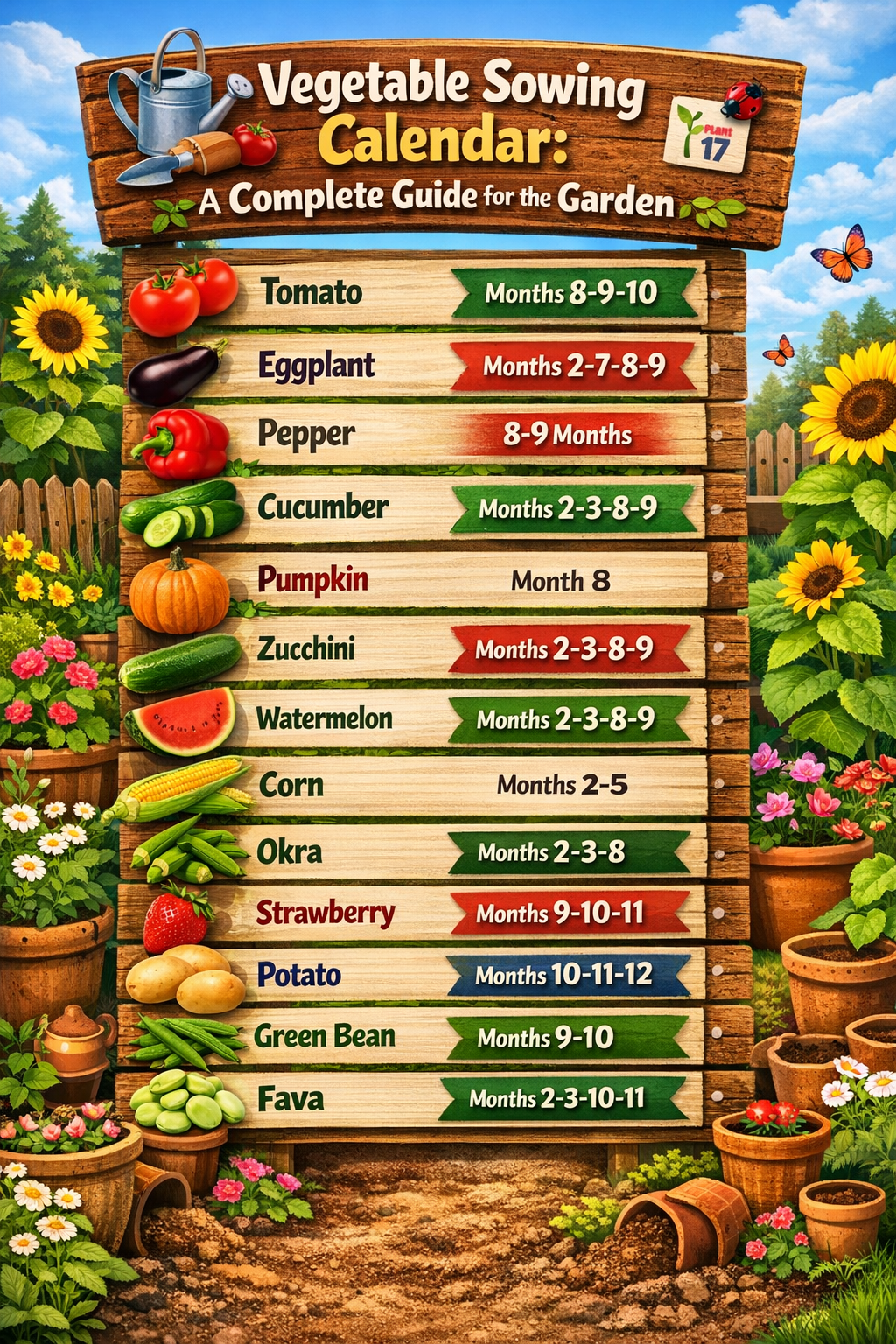
A successful vegetable garden starts with good timing. Plant too early and frost can damage tender crops; plant too late and you may miss peak harvest season. This Vegetable Planting Calendar: Complete Garden Guide will help gardeners across the United States, United Kingdom, and Canada plan sowing and harvesting with confidence—whether you’re growing in a backyard, raised beds, or containers.🗺️ Understanding Your Growing Zone & ClimateBefore planting anything, determine your hardiness zone and average last frost date. These factors influence when seeds should be started indoors and when plants can safely go outside.General tips:Northern regions (Canada, northern UK, northern US): shorter growing seasonsSouthern or coastal regions: longer seasons and earlier planting windowsUse local extension services or gardening apps to find your frost dates🌱 Cool-Season vs Warm-Season VegetablesUnderstanding plant preferences is key to building a reliable vegetable planting calendar.🥬 Cool-Season CropsLettuceSpinachKalePeasCarrotsBroccoliRadishesWhen to plant: Early spring or late summer for fall harvests. These crops tolerate cooler weather and light frost.🍅 Warm-Season CropsTomatoesPeppersCucumbersSquashBeansCornEggplantWhen to plant: After the last frost when soil warms up. Warm-season plants need consistent sunshine and heat.📅 Monthly Vegetable Planting Calendar (General Guide)(Note: Adjust based on local climate and frost dates.)🌼 January–FebruaryPlan your garden layoutOrder seedsStart onions, leeks, and early herbs indoorsIn mild climates: sow spinach and peas outdoors🌱 March–AprilStart tomatoes and peppers indoorsDirect sow lettuce, radishes, carrots, and peasPrepare soil with compost🌿 May–JuneTransplant tomatoes and cucumbers outdoors after frostSow beans, squash, and cornBegin succession planting for continuous harvest☀️ July–AugustPlant fall crops like kale, broccoli, and carrotsContinue watering and pest monitoringHarvest early summer vegetables🍂 September–OctoberHarvest root vegetablesPlant garlic and overwintering onionsAdd mulch and cover crops❄️ November–DecemberClean tools and garden bedsReflect on successes and plan next seasonGrow indoor herbs or microgreens🪴 Planting Tips for Small Gardens & ContainersUse compact varieties like cherry tomatoes or bush beansChoose containers with good drainageMix fast-growing crops (radishes) with slower growers (peppers)Rotate containers for balanced sunlight exposureContainer gardening works well in urban areas across North America and the UK where space may be limited.🌟 Practical Tips for a Successful Vegetable GardenStart with easy crops like lettuce, zucchini, and green beansImprove soil with compost or organic matterWater consistently—especially during hot monthsUse mulch to retain moisture and suppress weedsRotate crops yearly to reduce pests and diseaseKeep a planting journal to track results and timing🌍 Adjusting Your Vegetable Planting Calendar by RegionUnited States:Southern states can start earlier and grow longerNorthern states benefit from indoor seed startingUnited Kingdom:Mild maritime climate allows extended cool-season plantingWatch for heavy rain and slugs in springCanada:Shorter growing seasons—choose early-maturing varietiesConsider greenhouses or cold frames for extended harvests✅ ConclusionA well-planned Vegetable Planting Calendar: Complete Garden Guide helps gardeners stay organized, maximize harvests, and reduce stress throughout the season. By understanding your climate, separating cool- and warm-season crops, and following a month-by-month plan, you’ll create a thriving garden year after year.Whether you’re planting your first raised bed or managing a full backyard plot, success comes from preparation, patience, and observation. With consistent care and smart scheduling, your vegetable garden can provide fresh, nutritious produce from early spring through late fall 🌱📅.