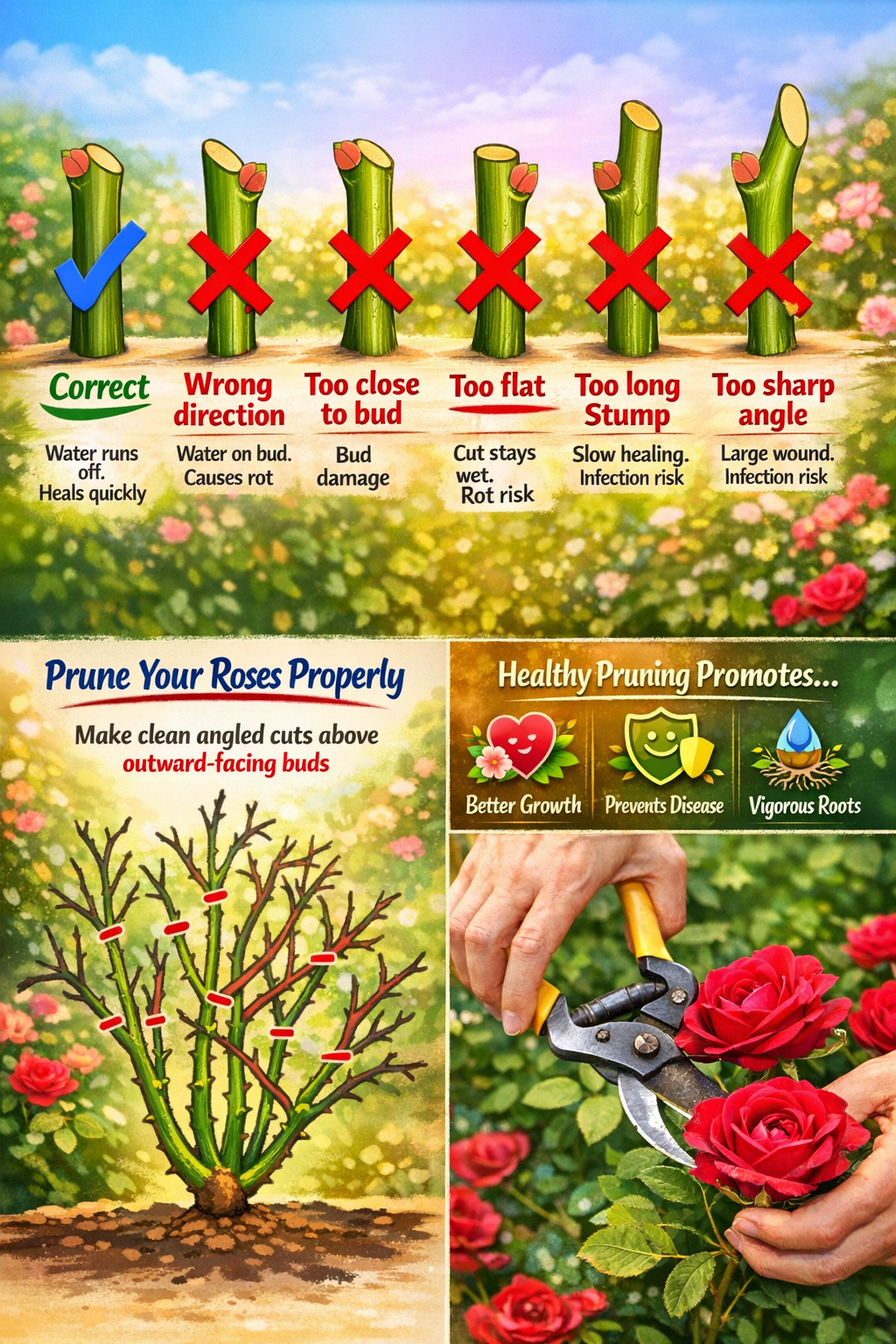
Pruning roses can feel intimidating—especially if you’re worried about cutting too much or harming the plant. But when done correctly, pruning is one of the most powerful ways to encourage strong growth, vibrant flowers, and disease-resistant plants. Whether you grow roses in a backyard garden in the United States, a cottage garden in the United Kingdom, or a patio container in Canada, mastering the art of rose pruning will transform the health and beauty of your blooms.Regular pruning improves airflow, shapes the plant, and directs energy toward producing bigger, healthier flowers. In this guide, you’ll learn 7 simple steps for healthy rose blooms, along with practical tips to help you prune with confidence and precision.🌹 Why Rose Pruning MattersBefore diving into techniques, it’s important to understand why pruning is essential:Encourages vigorous new growthPromotes larger, more abundant flowersImproves plant shape and structurePrevents disease by increasing airflowRemoves damaged or dead branchesWhen you follow the art of rose pruning: 7 steps for healthy blooms, you help your plant focus energy on strong, productive growth rather than struggling branches.✂️ Step 1: Choose the Right TimeTiming is everything when it comes to pruning roses.Best SeasonsUnited States & UK: Late winter to early spring, just before new growth startsCanada: Early spring after the last hard frostClimbing roses: Light pruning after bloomingLook for swelling buds and fresh green shoots as signs your roses are ready to be pruned.🔧 Step 2: Use Clean, Sharp ToolsProper tools make a huge difference in plant health.Essential ToolsSharp bypass prunersGardening glovesLong-handled loppers (for thicker stems)Disinfectant wipes or rubbing alcoholClean tools prevent the spread of disease and create smooth cuts that heal faster.🌿 Step 3: Remove Dead, Damaged, or Diseased WoodStart by clearing out any unhealthy growth.How to Identify Problem StemsBrown or black interior when cutBrittle or shriveled branchesSigns of mold or diseaseCut back to healthy green wood. This step instantly improves plant health and prepares your rose bush for better growth.🌱 Step 4: Eliminate Crossing and Crowded BranchesRoses need airflow and sunlight. When branches cross or rub together, they can create wounds that invite pests and disease.What to RemoveBranches growing inward toward the centerThin or weak stemsAreas where branches overlapCreating an open, vase-shaped structure helps maintain strong growth.🌼 Step 5: Shape the PlantOne key element of the art of rose pruning: 7 steps for healthy blooms is shaping your rose bush.Basic Shaping TipsAim for an open centerKeep 3–5 strong main canesMaintain a balanced, symmetrical formShaping not only improves appearance but also enhances sunlight penetration.✂️ Step 6: Cut Above an Outward-Facing BudMaking precise cuts is essential for directing growth.How to Make the Perfect CutCut about ¼ inch above a budAngle the cut slightly downwardChoose buds that face outwardThis encourages branches to grow away from the center, preventing overcrowding.💧 Step 7: Clean Up and Care After PruningOnce pruning is complete, give your roses a little extra care.Post-Pruning CareRemove fallen leaves and debrisApply mulch to retain moistureWater deeplyAdd a balanced rose fertilizerProper aftercare helps your roses recover quickly and produce strong, healthy blooms.🌟 Practical Tips for Successful Rose PruningAlways wear thick gloves to protect from thorns.Don’t be afraid to prune—roses are resilient plants.Step back frequently to check the plant’s shape.Start with less cutting if you’re unsure; you can always trim more later.Research your specific rose variety—hybrid teas, floribundas, and climbers may require slightly different pruning techniques.🌸 ConclusionMastering the art of rose pruning: 7 steps for healthy blooms can completely transform your garden. By pruning at the right time, using clean tools, removing weak branches, and shaping your plant carefully, you encourage stronger growth, better airflow, and more vibrant flowers throughout the growing season.Whether you’re nurturing roses in a suburban yard, a countryside garden, or a small balcony container, these seven steps will help you maintain beautiful, thriving plants year after year. With a little patience and practice, pruning will become one of your favorite gardening rituals—leading to healthier roses and breathtaking blooms every season 🌹✨