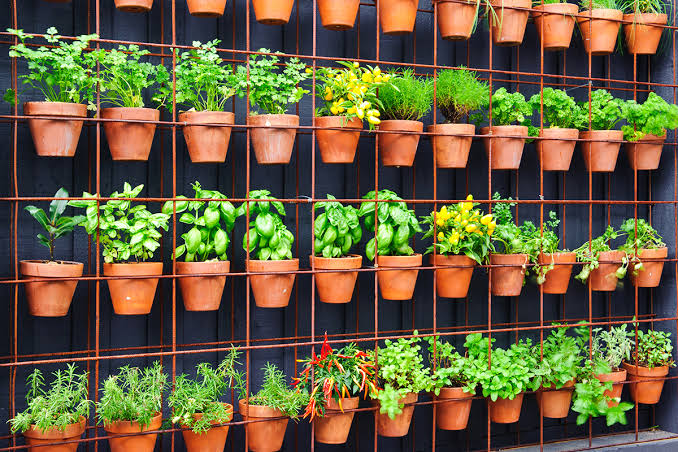
Vertical gardens are revolutionizing how we use space, turning walls, fences, and small areas into lush, green paradises. Whether you live in a city apartment in the United States, a cozy flat in the United Kingdom, or a townhouse in Canada, vertical gardening offers a practical and beautiful solution for growing plants when floor space is limited.This article is your ultimate guide to vertical garden design, covering everything from types of vertical gardens to plant selection, DIY tips, and maintenance strategies. By the end, you’ll be ready to transform any wall into a thriving vertical oasis.Why Choose Vertical Gardening?Vertical gardens are more than a trend—they’re functional, space-saving, and visually striking. Here’s why they’re worth considering:Maximize Limited SpaceIf you don’t have a backyard, a vertical garden allows you to grow herbs, flowers, or even vegetables without sacrificing living space.Improve Air QualityPlants naturally filter toxins and produce oxygen, making vertical gardens both beautiful and healthy for your home or office.Add Aesthetic AppealVertical gardens act as living art, creating a focal point that brings life, color, and texture to any room or outdoor wall.Types of Vertical GardensUnderstanding the type of vertical garden that suits your space is the first step in successful design.1. Wall-Mounted PlantersIndividual pots attached to a wallEasy to maintainPerfect for herbs and small flowering plants2. Pocket PlantersMade from felt, fabric, or canvas pocketsGreat for small plants and succulentsIdeal for indoors and patios3. Pallet or Wood Frame GardensUpcycled wooden pallets create a rustic lookPlant directly into pockets or attach potsExcellent for DIY projects4. Living Walls with HydroponicsSoil-free, water-based systemSuitable for larger installationsPerfect for modern homes or commercial spacesChoosing Plants for Your Vertical GardenPlant selection depends on location, sunlight, and style.Sun-Loving PlantsSucculents (e.g., Echeveria, Sedum)Herbs (e.g., basil, rosemary, thyme)Flowers (e.g., marigolds, petunias)Shade-Tolerant PlantsFernsPothosPhilodendronsEdible OptionsLettuce and kaleStrawberriesCherry tomatoesLow-Maintenance PicksSpider plantsAloe veraSnake plantsDesign Principles for Vertical GardensCreating a visually appealing vertical garden involves more than just planting.1. Plan Your LayoutDecide whether you want symmetrical rows, staggered patterns, or a mixed plant mosaic.2. Balance Colors and TexturesMix flowering plants with foliage to create contrast and depth.3. Consider Growth PatternsPlace trailing plants at the top and upright plants in the middle or bottom to avoid overshadowing.4. Use Complementary ContainersChoose pots or pockets that match your decor style—modern, rustic, or eclectic.DIY Vertical Garden TipsQuick Setup IdeasUse a wooden trellis against a wall and hang potsAttach pocket planters to a balcony railingRepurpose a shoe organizer for small herbsEasy Watering SolutionsInstall a drip irrigation systemUse self-watering plantersWater manually with care to avoid oversaturationSoil and Fertilizer TipsLightweight potting mix works bestAdd slow-release fertilizer for healthy growthMulch lightly to retain moistureMaintenance and CareRegular care ensures your vertical garden thrives:Prune regularly to encourage growth and maintain shapeCheck for pests such as aphids or spider mitesRotate plants if light conditions varyReplace spent plants seasonally to keep the display freshBenefits Beyond AestheticsVertical gardens are not just about looks—they offer real environmental and personal benefits:Noise reduction: Plants can absorb sound in apartments or urban areasStress relief: Green spaces improve mood and mental well-beingEnergy efficiency: Outdoor living walls can reduce heat absorptionCommon Mistakes to Avoid❌ Overcrowding plants, leading to poor air circulation❌ Ignoring light requirements❌ Using heavy soil for wall-mounted installations❌ Forgetting proper drainageBy planning carefully and following design principles, these mistakes can be avoided.Inspiration IdeasHerb Wall: A vertical garden in the kitchen with basil, parsley, and mintSucculent Mosaic: Create patterns or shapes using colorful succulentsSeasonal Display: Rotate flowers according to season for year-round appealIndoor Green Feature: A living wall in your living room or office spaceConclusionVertical gardens are a perfect solution for modern living, offering beauty, practicality, and sustainability. This ultimate guide to vertical garden design has shown you the types of vertical gardens, plant choices, design principles, DIY ideas, and maintenance tips to ensure success.Whether you’re creating a small balcony herb wall, a lush living wall indoors, or a full-scale garden installation, vertical gardening allows you to maximize space, enhance aesthetics, and connect with nature, even in limited urban settings.Start planning your vertical garden today, and turn any wall into a thriving, green masterpiece! 🌿🏡