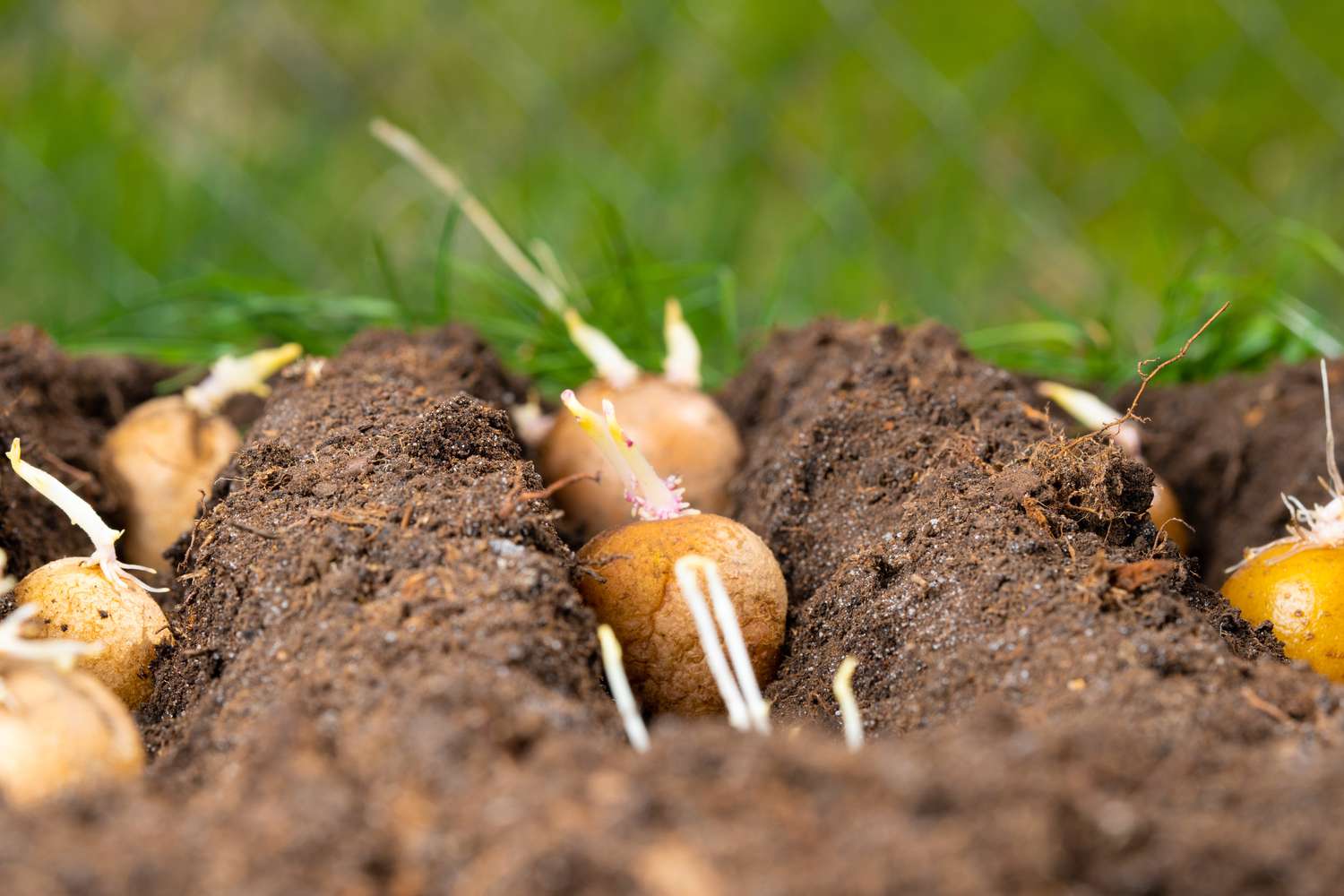
If you want a crop that’s forgiving, productive, and honestly pretty fun to dig up, potatoes are hard to beat. Whether you’re gardening in a tiny backyard in the UK, a suburban plot in the United States, or a cool-climate yard in Canada, this is Your ultimate guide to How to plant potatoes in the ground!We’ll walk through everything: choosing seed potatoes, preparing the soil, planting with the classic trench method, caring for the plants, and knowing exactly when to harvest. By the end, planting potatoes directly in the ground will feel simple and doable—not some mysterious “farmer-only” skill.Understanding potatoes and planting timeBefore you start digging, it helps to know a little about how potatoes grow and when they prefer to be planted.Main types of potatoes to growMost varieties fall into three broad groups:First earliesFast-growing, smaller potatoesHarvested early in the seasonGreat for “new potatoes” that you boil or steamSecond earliesTake a bit longer than first earliesOften slightly larger tubersMaincropTake the longest to matureUsually give bigger yieldsBetter for baking, mashing, and long-term storageFor beginners, a mix of one early variety and one maincrop variety is a smart way to spread out your harvest.When to plant potatoes in the groundFor most areas in the US, UK, and Canada, potatoes are planted in early to mid-spring, once the soil has started to warm up.General rule:Plant 2–4 weeks before your average last frost date, when the soil is no longer frozen and not waterlogged.In milder UK or coastal regions, planting often starts in March.In colder Canadian or northern US regions, you may be planting in late April or May.If the ground is still icy, sticky, or saturated, wait a little longer. A core part of Your ultimate guide to How to plant potatoes in the ground! is timing: cool soil is fine, but cold, soggy soil will just rot your seed potatoes.Preparing the ground for potatoesHealthy soil = healthy spuds. Potatoes are surprisingly tough, but they’ll reward you if you put a bit of effort into preparation.Choose the right spotPotatoes like:Full sun – at least 6 hours of light a dayShelter from strong winds if possibleSoil that drains well but stays evenly moistAvoid areas where you’ve recently grown other members of the nightshade family (tomatoes, peppers, eggplants), as this can increase the risk of soil-borne diseases.Improve the soilPotatoes prefer loose, slightly acidic to neutral soil. Here’s how to prep it:Clear the areaRemove weeds, grass, and large stones.Loosen the soilDig or fork the soil to a depth of about 8–10 inches (20–25 cm).Add organic matterMix in well-rotted compost or aged manure.Avoid very fresh manure: it can encourage scab and overly lush foliage.Rake the surface smoothThis makes it easier to plant in straight, even trenches.Good soil prep is a foundation step in Your ultimate guide to How to plant potatoes in the ground!—it helps roots spread and tubers grow straight rather than twisted and stunted.Getting seed potatoes ready (and why not to use store potatoes)Choosing seed potatoesFor best results, use certified seed potatoes, not regular supermarket potatoes. Seed potatoes are:Selected for strong growthCertified disease-freeOffered in many varieties suited to different climatesYou can find them in garden centers, seed catalogs, and online suppliers in the US, UK, and Canada.Chitting (pre-sprouting) your potatoes“Chitting” means letting your seed potatoes sprout before planting:Place seed potatoes in a light, cool spot indoors (not in full sun).Stand them with the most “eyes” facing up.Leave them for 2–4 weeks until sturdy green or purple shoots are about ½–1 inch (1–2 cm) long.Chitting gives them a head start, especially in cooler climates, and helps your crop mature sooner.Step-by-step: How to plant potatoes in the ground (trench method)The trench method is a classic, reliable way to plant potatoes directly into garden soil.Step 1: Mark and dig the trenchesMark straight rows using string if you want a tidy bed.Dig trenches about 4–6 inches (10–15 cm) deep.Space trenches about 2–3 feet (60–90 cm) apart, depending on the variety (maincrops usually need a bit more space).Step 2: Add a little compost in the bottomSprinkle a thin layer of compost or well-rotted manure in the bottom of the trench.This gives your plants a slow-release nutrient boost as they grow.Step 3: Place the seed potatoesSpace seed potatoes 12 inches (30 cm) apart for maincrop, and about 9–10 inches (22–25 cm) for earlies.Place them sprouts facing up.Don’t worry if a few sprouts break; as long as some remain, they’ll grow.Step 4: Cover them upGently pull soil back over the seed potatoes until the trench is filled level with the surrounding soil.Lightly firm the soil with your hands or the back of a rake—no heavy stomping needed.At this point, you’ve completed the core planting step from Your ultimate guide to How to plant potatoes in the ground! The rest is mostly about helping the plants develop more underground stems and tubers.Earthing up: the secret to bigger yields“Earthing up” or “hilling” is one of the most important ongoing tasks when growing potatoes in the ground.What is earthing up?As the potato stems grow above ground, you regularly pull soil up around them to form small ridges or “hills.”Why it mattersEncourages more tubers to form along the buried stemsPrevents light from reaching developing potatoes (light turns them green and bitter)Helps keep weeds downOffers some frost protection in springHow to earth upWhen the shoots reach about 6 inches (15 cm) tall, gently mound soil up around them so only the top leaves are showing.Repeat every couple of weeks, or when the plants grow another 4–6 inches, building ridges about 6–8 inches (15–20 cm) high.This simple habit is a game-changer and a core tip in Your ultimate guide to How to plant potatoes in the ground!Watering, feeding, and general careWateringPotatoes need consistent moisture, especially:When plants are forming lots of foliageWhen tubers are swelling underground (usually once flowering begins)Tips:Aim for deep watering once or twice a week, rather than light daily sprinkling.Avoid waterlogging; soggy soil promotes rot.In very dry climates, mulching between rows can help the soil retain moisture.FeedingIf you prepared the soil well with compost, you might not need much extra fertilizer. But if growth seems weak:Use a balanced, general-purpose fertilizer according to package directions.Avoid too much high-nitrogen fertilizer—it encourages leaves at the expense of tubers.Watching for pests and diseasesCommon issues include:Colorado potato beetles (more common in parts of North America) – handpick beetles and larvae.Aphids – rinse off with water or use insecticidal soap if needed.Blight (especially in wet summers in the UK and some North American regions) – remove and dispose of infected foliage; avoid overhead watering.Crop rotation—avoiding growing potatoes in the same spot each year—greatly reduces disease problems and is an important part of long-term planning in Your ultimate guide to How to plant potatoes in the ground!Practical tips for planting potatoes in the groundHere’s a quick, practical section you can refer back to when you’re in the garden:Start with certified seed potatoes – fewer headaches with disease.Don’t rush into cold, soggy soil – give the ground time to warm slightly.Chit your potatoes if your springs are cool – faster growth once planted.Plant deeper in lighter soil, shallower in heavy soil – around 4–6 inches deep is the sweet spot.Space plants properly – crowded potatoes give smaller tubers and more disease risk.Earth up regularly – protects your crop and boosts yield.Keep the soil evenly moist – especially once flowering starts.Rotate your crop – avoid planting potatoes (and tomatoes) in the same patch for at least 3–4 years if you can.Label your rows – helpful if you plant multiple varieties.These practical pointers are what makes this truly Your ultimate guide to How to plant potatoes in the ground!, not just a basic overview.Harvesting and storing your potatoesWhen to harvest earlies and maincropsFirst earlies:Ready about 10–12 weeks after planting, often when plants start to flower.Gently dig around the base and lift a few to check their size.Second earlies and maincrops:Usually harvested 14–20 weeks after planting, depending on the variety.For storage potatoes, wait until the foliage has turned yellow and died back, then stop watering for a week or two before lifting.How to dig up potatoesUse a garden fork or spade, starting a little way from the plant so you don’t stab the tubers.Lift the soil and gently pull out the potatoes.Shake off loose soil and let them dry in a cool, shaded spot for a few hours.Storing your cropFor maincrop potatoes:Store in a cool, dark, airy place—like a garage, shed, or basement.Use paper bags, hessian sacks, or cardboard boxes (not sealed plastic).Check regularly and remove any that show signs of rot or sprouting.ConclusionFrom choosing seed potatoes to trenching, earthing up, and finally digging up those satisfying, soil-covered tubers, you now have Your ultimate guide to How to plant potatoes in the ground! at your fingertips.Whether you’re gardening through mild UK springs, unpredictable Canadian weather, or warm US summers, the basic principles stay the same: prepare well, plant at the right time, give your potatoes space and steady moisture, and hill up the soil as they grow. Do that, and you’ll be rewarded with a delicious harvest that tastes far better than anything from the store.