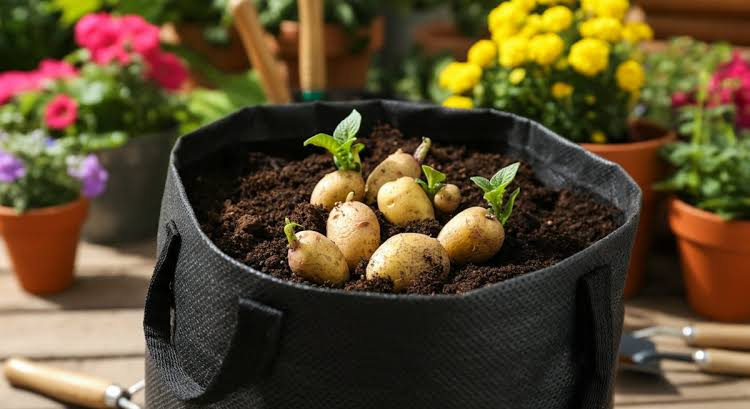
Growing your own potatoes doesn’t require a large garden or perfect soil. In fact, one of the easiest and most space-efficient methods is learning how to plant potatoes in grow bags. This technique is ideal for small yards, patios, balconies, and even driveways, making it popular with beginner and experienced gardeners alike.In this ultimate guide, you’ll discover everything you need to know about planting potatoes in grow bags—from choosing the right varieties to harvesting a generous crop with minimal effort.Why Grow Potatoes in Grow Bags?Grow bags have revolutionized home gardening, especially for root crops like potatoes.Key Benefits of Grow BagsExcellent drainage prevents rotImproved air circulation for healthy rootsEasy to move and repositionPerfect for limited spacesSimple harvesting with less diggingIf you’re wondering how to plant potatoes in grow bags successfully, the good news is that it’s one of the most forgiving gardening methods available.Choosing the Right Potato VarietiesNot all potatoes perform equally, but many varieties thrive in grow bags.Best Potatoes for Grow BagsEarly varieties: Yukon Gold, Red NorlandMaincrop varieties: Russet, Maris PiperFingerling potatoes: French Fingerling, Purple PeruvianCertified seed potatoes are recommended, as they’re disease-free and produce stronger plants.Selecting the Best Grow BagsChoosing the right container is essential when learning how to plant potatoes in grow bags.Ideal Grow Bag FeaturesSize: 10–20 gallons (40–75 liters)Material: Breathable fabric or feltHandles for easy movementDrainage holes at the bottomLarger bags yield more potatoes but require more soil and water.The Best Soil Mix for Grow Bag PotatoesPotatoes need loose, nutrient-rich soil to develop properly.Recommended Soil Mix40% high-quality potting soil40% compost or well-rotted manure20% coco coir or perlite for drainageAvoid using garden soil, which can compact and reduce yields.When to Plant Potatoes in Grow BagsTiming depends on your climate, but potatoes prefer cool weather.General Planting GuidelinesPlant 2–4 weeks before the last frostSoil temperature should be at least 45°F (7°C)In mild climates, plant in early springIn cooler regions, wait until late springUnderstanding the right timing is a crucial part of how to plant potatoes in grow bags.Step-by-Step: How to Plant Potatoes in Grow BagsStep 1: Prepare the Seed PotatoesCut large seed potatoes into chunks, ensuring each piece has at least one “eye.” Let them dry for 24 hours to prevent rot.Step 2: Fill the Grow BagAdd 4–6 inches of soil mix to the bottom of the grow bag.Step 3: Plant the PotatoesPlace seed potatoes eye-side up, spacing them 6–8 inches apart. Cover with 3–4 inches of soil.Step 4: Water ThoroughlyWater until soil is evenly moist but not soggy.This simple process is the foundation of how to plant potatoes in grow bags effectively.Caring for Potatoes in Grow BagsWatering NeedsGrow bags dry out faster than garden beds. Water consistently, especially during flowering and tuber formation.Sunlight RequirementsPotatoes need at least 6–8 hours of direct sunlight daily.Feeding and FertilizingUse a balanced organic fertilizer every 2–3 weeks. Avoid excessive nitrogen, which encourages leaves instead of tubers.Hilling Potatoes in Grow BagsHilling is essential for higher yields.How to Hill ProperlyWhen plants reach 6–8 inches tall, add more soilCover stems, leaving only top leaves exposedRepeat until bag is nearly fullHilling prevents green potatoes and increases production—an important step in how to plant potatoes in grow bags successfully.Common Problems and SolutionsYellow LeavesOften caused by overwatering or nutrient deficiency.Small PotatoesResult of insufficient hilling or lack of nutrients.PestsAphids and beetles can be removed manually or treated with neem oil.DiseasesGood drainage and air circulation reduce most issues.Grow bags naturally reduce many soil-borne diseases.When and How to Harvest PotatoesHarvest TimingNew potatoes: 2–3 weeks after floweringMature potatoes: When foliage turns yellow and dies backHarvesting MethodTip the grow bag overGently sift through soilCollect clean, undamaged potatoesHarvesting is one of the most satisfying parts of learning how to plant potatoes in grow bags.Storage Tips for Homegrown PotatoesCure potatoes for 7–10 days in a cool, dark placeStore in breathable containersAvoid refrigerationKeep away from lightProper storage extends shelf life for months.Practical Tips for Maximum YieldChoose larger grow bagsDon’t overcrowd seed potatoesMaintain even moistureHill consistentlyRotate crops each seasonThese tips help you master how to plant potatoes in grow bags like a pro.Grow Bags vs Traditional Garden BedsFeature Grow Bags Garden BedsSpace required Minimal LargeDrainage Excellent VariablePortability High NoneSoil control Easy LimitedGrow bags offer unmatched convenience, especially for urban gardeners.Why This Method Works So WellPlanting potatoes in grow bags works because it:Prevents soil compactionEncourages strong root systemsReduces disease riskAllows precise control of soil and waterMakes harvesting easy and cleanIt’s one of the most beginner-friendly gardening methods available.ConclusionLearning how to plant potatoes in grow bags opens the door to fresh, homegrown food no matter how much space you have. With the right soil, consistent care, and proper hilling, you can enjoy a generous harvest with very little effort.Whether you’re gardening on a balcony, patio, or small backyard, grow bags make potato growing simple, productive, and rewarding. Start this season, and you’ll wonder why you didn’t try it sooner.