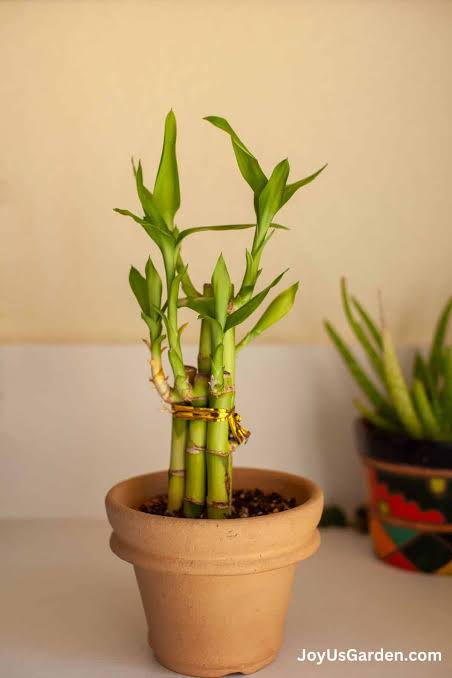
Bamboo is one of the most versatile, fast-growing, and visually striking plants you can add to your garden. Whether you want it as a privacy screen, a decorative feature, or a low-maintenance hedge, knowing how to plant bamboo properly is essential for healthy growth. This guide will help gardeners in the United States, United Kingdom, and Canada transform their outdoor space with bamboo.🌱 Why Plant Bamboo in Your Garden?Bamboo isn’t just beautiful—it offers multiple benefits:Rapid growth – creates privacy screens quicklyLow maintenance – once established, it’s hardy and resilientAesthetic appeal – adds a tropical, serene vibeEnvironmental benefits – helps control soil erosion and improves air qualityVersatility – suitable for containers, hedges, or standalone garden accentsUsing bamboo strategically can transform any garden into a lush, tranquil space.🌿 Step 1: Choose the Right Type of BambooBefore planting, it’s crucial to select the variety that suits your garden:Clumping BambooGrows in tight clustersSpreads slowlyIdeal for small gardens or containersRunning BambooSends out underground rhizomes, spreading rapidlyPerfect for larger spacesRequires barriers to prevent invasive growthTip: Beginners often prefer clumping bamboo due to its controlled growth.🌞 Step 2: Select the Ideal LocationBamboo thrives when placed correctly:Sunlight: Most varieties prefer partial to full sunSoil: Well-drained, fertile soil with neutral pHSpace: Leave 3–5 feet between clumping bamboo; more for running varietiesTip: Avoid planting near buildings or pathways unless using a containment barrier.🪴 Step 3: Prepare the SoilHealthy soil is essential for strong bamboo roots:Loosen soil to a depth of 12–18 inchesMix in compost or organic matter to enhance fertilityEnsure good drainage to prevent root rotFor container planting, use a large, deep pot with drainage holes.🌱 Step 4: Plant Your BambooDig a hole slightly larger than the root ball.Place the bamboo at the same depth it was growing in its container.Fill the hole with soil and gently press down to eliminate air pockets.Water thoroughly to help the plant establish.Tip: Add a layer of mulch to retain moisture and suppress weeds.💧 Step 5: Watering and MulchingWater frequently during the first few months to establish roots.Bamboo prefers consistent soil moisture, especially during hot, dry periods.Mulching keeps roots cool and reduces water evaporation.✂️ Step 6: Maintenance and PruningRemove dead or weak canes regularly.Thin older stems to encourage new growth.Fertilize in spring with a high-nitrogen fertilizer for lush foliage.For running bamboo, install a rhizome barrier to prevent spreading.🌸 Step 7: Creative Uses for Bamboo in Your GardenPrivacy screens – tall varieties block unsightly viewsDecorative hedges – add elegance and structureContainer plants – perfect for patios or small gardensDIY projects – stakes, trellises, or natural fencingWindbreaks – protect delicate plants and structures💡 Pro Tips for Successful Bamboo PlantingChoose the right variety for your climate zoneUse barriers for running bamboo to prevent invasivenessMulch and water consistentlyTrim dead canes to encourage vibrant growthFertilize lightly during the growing season🌳 ConclusionKnowing how to plant bamboo correctly can completely transform your garden. From creating lush privacy screens to adding tropical elegance, bamboo is a versatile and rewarding plant. With careful planning, proper planting, and consistent care, your bamboo will thrive for years, whether you’re gardening in the U.S., U.K., or Canada.