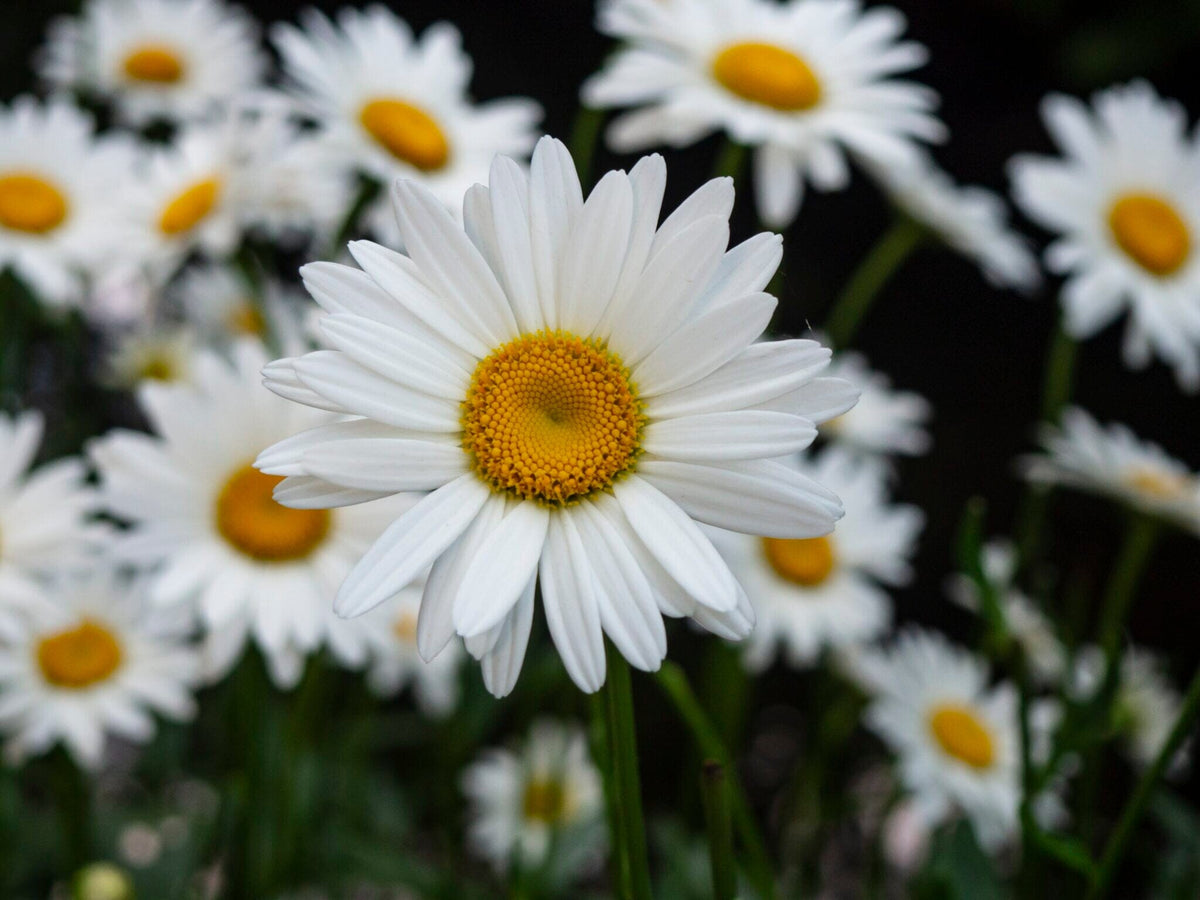
Chamomile flowers have been treasured for centuries for their gentle fragrance, soothing qualities, and delicate beauty. Whether you want to grow them in your garden, use them for homemade teas, or enjoy their calming benefits, chamomile is one of the most rewarding herbs you can cultivate. This ultimate guide to chamomile flowers will walk you through everything you need to know — from planting and care to harvesting and using this timeless botanical treasure.🌿 What Are Chamomile Flowers?Chamomile refers to a group of daisy-like plants known for their calming properties. The two most common varieties are:1. German Chamomile (Matricaria chamomilla)An annual plantTaller and more abundant in flowersMild, sweet flavor in teasGreat for beginners2. Roman Chamomile (Chamaemelum nobile)A perennial groundcoverStronger, slightly bitter tasteBeautiful as a flowering lawn or edging plantIdeal for long-term growthBoth varieties are used in herbal teas, skincare, essential oils, and natural remedies.🌸 Why Chamomile Is So PopularChamomile flowers offer a combination of beauty and benefits:Naturally calming: Ideal for stress relief and better sleepEasy to grow: Thrives in many climatesBee-friendly: Pollinators love chamomileVersatile uses: Tea, salves, hair rinses, potpourri, and moreLow maintenance: Requires minimal watering and careIt’s one of the few plants that looks beautiful, smells wonderful, and helps you relax — all at once.🌿 How to Grow Chamomile: A Simple GuideChamomile is a hardy, fuss-free plant that even first-time gardeners can grow successfully.🌱 Choosing the Right SpotChamomile needs:Full sun (6–8 hours/day)Well-drained soilModerate wateringIt can tolerate partial shade, especially in very hot climates.🌼 Planting Chamomile SeedsWhen to plant:Early spring (after frost)Or start indoors 4–6 weeks before planting outsideHow to plant:Gently scatter seeds on the soil surfaceDo NOT cover them — they need light to germinateMist lightly with waterKeep soil moist until sprouts appear (in 7–14 days)🌿 Caring for Growing ChamomileChamomile is low-maintenance but thrives when you follow a few easy care tips:1. WateringWater only when soil is dryAvoid soaking the roots2. FeedingChamomile prefers lean soilToo much fertilizer reduces flavor and aroma3. PruningDeadhead (remove spent blooms) to encourage continuous floweringTrim leggy stems if needed🌼 Pests & Problems — and How to Solve ThemChamomile is generally pest-resistant, but occasionally you may see:AphidsThripsPowdery mildewSolutions:Spray with water + a few drops of dish soapImprove airflow around plantsWater at the base, not the leavesChamomile also attracts beneficial insects like ladybugs to help naturally balance pests.🌸 Harvesting Chamomile FlowersHarvesting chamomile is almost as calming as drinking the tea afterward.How to harvest:Pick flowers when they are fully openUse your fingers or scissors to snip the headsHarvest in the morning after the dew driesDrying chamomile:Spread flowers on a clean cloth or screenAllow to air dry for 1–2 weeksStore in an airtight jar away from lightProperly dried chamomile flowers last up to 1 year.🍵 How to Use Chamomile FlowersChamomile is incredibly versatile. Here are the most popular ways to use it:1. Chamomile Tea (Simple & Soothing)Ingredients:1 tablespoon dried chamomile flowers1 cup hot waterInstructions:Steep for 5–7 minutesAdd honey, lemon, or mint if desired2. Chamomile Hair RinseBrightens and softens hair naturally.Brewing:Steep 3–4 tablespoons of chamomile in 2 cups of boiling waterCool and pour over clean hair3. Chamomile Skin SootherGreat for calming irritated or sensitive skin.Add chamomile to bathwaterUse cooled chamomile tea as a gentle facial toner4. Chamomile Sleep SachetsFill small fabric bags with dried chamomile to tuck under your pillow.✨ Top Benefits of Chamomile FlowersChamomile is widely valued for:Promoting sleep and relaxationReducing stress and anxietyCalming digestive issuesSupporting skin healingEasing headachesIts natural anti-inflammatory and antioxidant properties make it a powerful herbal ally.🌿 Growing Chamomile in ContainersDon’t have garden space? Chamomile grows wonderfully in pots.Container requirements:6–12 inch potGood drainage holesLight potting soilFull sunWater lightly, allow soil to dry between watering, and trim regularly.🌸 Companion Plants for ChamomileChamomile is a friendly plant that helps others grow better.Best companions:BasilMintCabbageOnionsCucumbersRosemaryChamomile can enhance essential oils in nearby herbs — a beautiful bonus!✨ Conclusion: Embrace the Beauty & Calm of ChamomileChamomile flowers are more than just pretty blooms — they’re a symbol of tranquility and a beloved herb with endless uses. Whether you grow them in your garden, use them in homemade teas, or enjoy their gentle fragrance at home, chamomile offers relaxation, beauty, and natural wellness.By following this ultimate guide to chamomile flowers, you can grow, harvest, and enjoy this magical plant with confidence. Chamomile brings peace to your garden and your daily routine — a little touch of calm in a busy world.