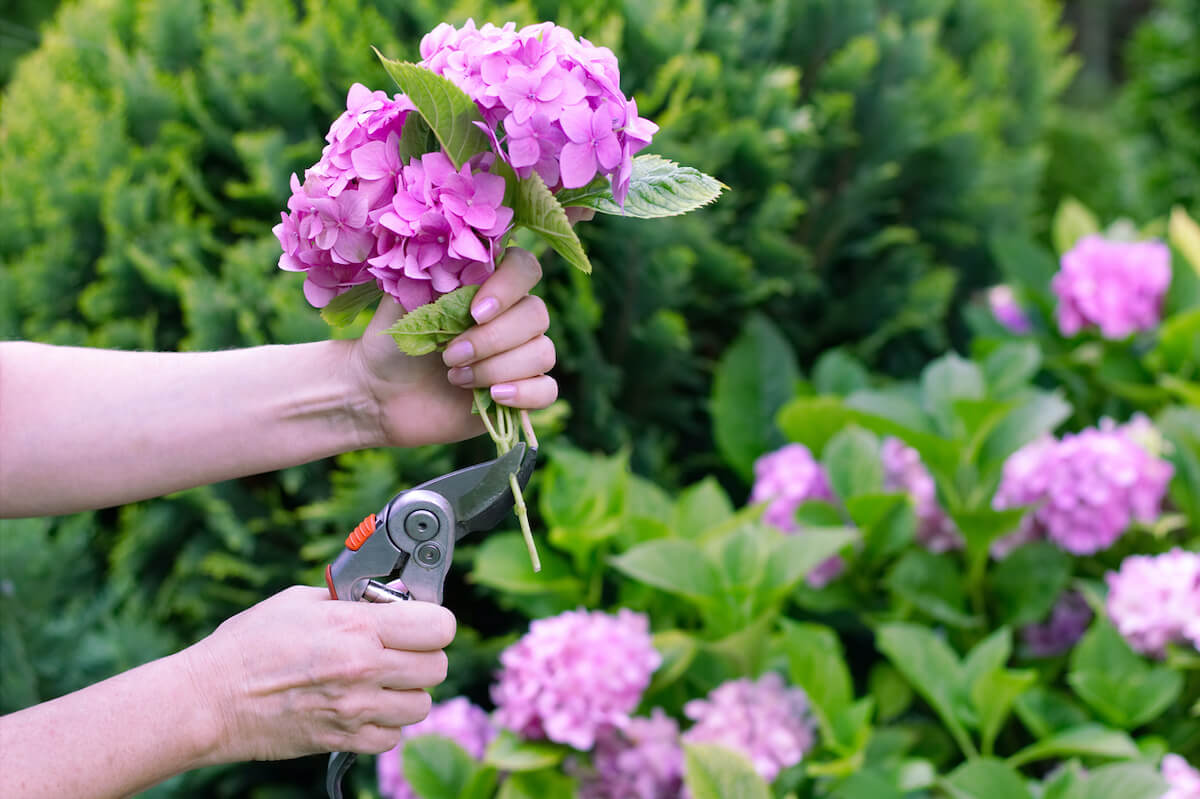
Hydrangeas are among the most breathtaking flowering shrubs you can grow in your garden. With their large, colorful blooms and lush foliage, they instantly elevate any landscape. Whether you’re a beginner gardener or a seasoned plant lover, learning how to plant hydrangeas the right way can deliver unbelievable results. In this guide, you’ll discover everything you need to know—from choosing the perfect spot to ensuring long-lasting, vibrant blooms.Why Hydrangeas Are So PopularHydrangeas are loved for their dramatic flower clusters and long blooming season. They thrive in a wide range of climates across the United States, United Kingdom, and Canada, making them a favorite for home gardens.Key Benefits of HydrangeasLarge, show-stopping bloomsExcellent for borders, hedges, and containersSome varieties change color based on soil pHLow-maintenance once establishedIt’s no surprise gardeners everywhere are amazed at how to plant hydrangeas successfully and enjoy such stunning results.Best Time to Plant HydrangeasTiming is essential for healthy growth.Ideal Planting SeasonsSpring: Best for root development before summer heatEarly Fall: Allows roots to establish before winterAvoid planting during extreme heat or frost, as young hydrangeas are sensitive to stress.Choosing the Right LocationSunlight RequirementsMost hydrangeas thrive in:Morning sunAfternoon shadeToo much direct sunlight can scorch leaves, while too little sun can reduce flowering.Soil ConditionsHydrangeas prefer:Well-draining, moist soilRich organic matterSlightly acidic to neutral pH💡 Unbelievable tip: Soil pH affects bloom color in some hydrangeas—acidic soil produces blue flowers, while alkaline soil creates pink blooms!Step-by-Step: How to Plant Hydrangeas1. Prepare the Planting HoleDig a hole twice as wide and just as deep as the root ball. This encourages roots to spread easily.2. Improve the SoilMix compost or aged manure into the soil to boost nutrients and improve drainage.3. Plant at the Right DepthPlace the hydrangea so the top of the root ball sits level with the soil surface. Planting too deep can harm the plant.4. Backfill and WaterFill the hole with soil, gently press down to remove air pockets, and water thoroughly.5. Mulch for MoistureAdd a 2–3 inch layer of mulch around the base to retain moisture and regulate soil temperature.Practical Tips for Unbelievable GrowthWatering TipsWater deeply 2–3 times per weekKeep soil consistently moist, especially during the first growing seasonFertilizing HydrangeasUse a balanced, slow-release fertilizer in springAvoid over-fertilizing—it promotes leaves over bloomsPruning BasicsKnow your hydrangea type before pruningSome bloom on old wood, others on new growthCommon Mistakes to AvoidPlanting in full afternoon sunPoor drainage leading to root rotOver-pruning at the wrong timeLetting soil dry out completelyAvoiding these mistakes makes learning how to plant hydrangeas truly unbelievable in results.Hydrangeas in ContainersHydrangeas grow beautifully in pots when given:Large containers with drainage holesRegular wateringPartial sunlightContainer hydrangeas are perfect for patios, balconies, and small gardens.Seasonal Care for Healthy HydrangeasSpring: Fertilize and mulchSummer: Water deeply and protect from extreme heatFall: Light pruning if appropriateWinter: Protect roots with extra mulch in colder climatesConclusionOnce you understand how to plant hydrangeas, the results are nothing short of unbelievable. With proper placement, soil preparation, and consistent care, these stunning shrubs reward you with lush foliage and vibrant blooms year after year.Whether you’re planting a single hydrangea or creating a flowering hedge, following these expert tips ensures success across gardens in the US, UK, and Canada. Start planting today and watch your garden transform into a floral masterpiece!