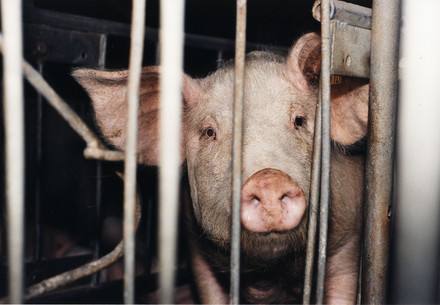
Understanding the typical lifespan of farm animals is essential for farmers, animal enthusiasts, and anyone interested in sustainable agriculture. Lifespan varies depending on species, breed, living conditions, and whether the animals are raised for meat, milk, or eggs. Below is an informative overview of the average lifespans of common farm animals.🐓 ChickensMeat Chickens (Broilers): 6–8 weeksEgg-Laying Hens: 4–6 yearsBackyard/Free-Range Hens: 8–10 yearsNotes: Chickens raised commercially for meat have very short lifespans, whereas backyard hens can live significantly longer with proper care.🐄 CowsDairy Cows: 4–6 years in commercial farms (milk production declines with age)Beef Cows: 10–20 years, depending on breed and managementPet/Show Cattle: Up to 25 yearsNotes: Proper nutrition and veterinary care can extend their productive and overall lifespan.🐖 PigsCommercial Pigs (Meat): 6 months–1 yearBreeding Sows: 3–6 yearsPet/Heritage Breeds: 12–20 yearsNotes: Heritage breeds often live longer due to slower growth and less intensive farming practices.🐑 SheepMeat Sheep: 1–6 yearsWool Breeds: 10–12 yearsPet/Heritage Sheep: Up to 20 yearsNotes: Wool sheep and small flocks kept in low-stress environments tend to live longer than those raised intensively for meat.🐐 GoatsMeat Goats: 1–4 yearsDairy Goats: 8–12 yearsPet/Backyard Goats: 12–18 yearsNotes: Proper shelter, nutrition, and disease management significantly impact lifespan.🐴 HorsesWorking Horses (Farm/Transport): 15–20 yearsRecreational/Companion Horses: 25–30 yearsMiniature Horses: 25–35 yearsNotes: Lifespan varies widely depending on workload, genetics, and healthcare.💡 Factors Affecting Farm Animal LifespanGenetics: Breed differences play a major role in longevity.Nutrition: Balanced diets improve health and lifespan.Healthcare: Regular vaccinations and parasite control prevent premature death.Living Conditions: Free-range or pasture-raised animals often live longer than those in confined systems.Stress & Workload: Less stress and reasonable workloads extend life expectancy.🌟 ConclusionThe typical lifespan of farm animals can vary dramatically based on species, purpose, and care. While commercial farming often shortens the natural lifespan for productivity reasons, animals in well-managed farms, backyard setups, or kept as pets can enjoy many more healthy years. Understanding these lifespans helps in planning care, nutrition, and overall farm management, ensuring happier and healthier animals 🐓🐄🐖🐑🐐🐴.