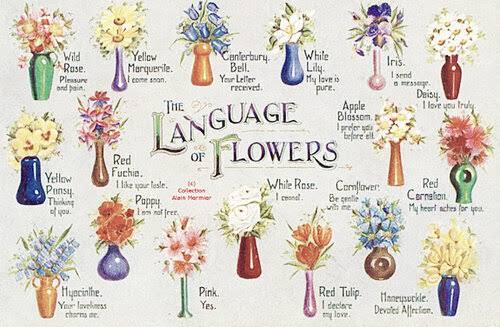
You totally can ✨ try this amazing Language of Flowers idea ✨ — it’s like sending a secret coded message, but with petals instead of text.Here’s a simple, creative project you can actually do at home or with friends.What is the Language of Flowers?The Language of Flowers (also called floriography) is an old idea where different flowers and colors have specific meanings. In the Victorian era, people used bouquets to send secret messages:Red rose = loveYellow rose = friendship or jealousy (depending on the era 🙃)Forget-me-not = “don’t forget me”Daisy = innocence and loyaltyYou can use this idea today to:Make a coded bouquet for a friend or family memberDecorate your room with “mood” flowersDesign cards, journals, or gifts with secret meaningsQuick Flower Meanings Cheat SheetYou don’t need a giant book to start. Here are some easy, common meanings:RosesRed rose – Love, deep affectionPink rose – Admiration, sweetness, gratitudeYellow rose – Friendship, joyWhite rose – Purity, new beginningsOther popular flowersDaisy – Innocence, loyalty, “you’re a good friend”Sunflower – Happiness, positivity, admirationLavender – Calm, devotion, peaceCarnation (pink) – “I’ll never forget you”Carnation (red) – AdmirationBaby’s breath – Everlasting love, pure heartForget-me-not – True love, memoriesViolet – Modesty, quiet loyaltyIvy – Faithfulness, connectionEucalyptus – Protection, healingYou can totally mix meanings from different lists as long as you stay consistent.The Idea: Make a Secret-Message Bouquet 🌸🔐Here’s the main Language of Flowers idea for you to try:Create a small bouquet that secretly spells out a message using flower meanings, then include a tiny “key” card only if you want to reveal the code.You can adapt this for:A birthday giftA “thank you” for someoneA “good luck” or “cheer up” surpriseEven just decor for your desk that quietly matches your current moodStep 1: Decide What You Want to SayFirst, think of a short message or vibe. For example:“Thank you for being such a loyal friend.”“Good luck, you’ve got this!”“You are loved and appreciated.”“Stay calm, you’re safe here.”Now break your message into feelings/keywords like:GratitudeFriendshipLoyaltyJoyCalmCourageYou’ll match each feeling to a flower.Step 2: Match Feelings to FlowersUse the mini dictionary above, or make your own.Example: “Thank you for being such a loyal friend”Gratitude → Pink roseFriendship → Yellow roseLoyalty → DaisyJoy → SunflowerSo your bouquet might include:1 pink rose1 yellow roseA few daisies1 sunflowerAnother example: “Good luck, stay calm, you’ve got this”Good luck → Sunflower (optimism)Calm → LavenderSupport → Baby’s breath (everlasting support)Your bouquet:1–2 sunflowersA small bunch of lavenderSome sprigs of baby’s breathStep 3: Choose Colors & GreeneryColors also carry meaning, so you can use them to add depth:White – purity, new beginningsYellow – joy, energyPurple – mystery, creativity, calmPink – kindness, affectionGreen – balance, growthAdd greenery like:Eucalyptus – healing, protectionIvy – connection, loyaltyEven if someone doesn’t know floriography, they’ll feel the vibe from the color palette.Step 4: Arrange Your Secret BouquetYou don’t need pro florist skills; keep it simple:Start with greeneryHold eucalyptus or ivy as your base.Add focal flowersThese are your main message flowers, like roses or sunflowers.Place them at slightly different heights so it doesn’t look flat.Fill in with smaller bloomsDaisies, baby’s breath, or tiny filler flowers go around the main ones.Tie it togetherUse twine, ribbon, or even a strip of fabric.Cut the stems so the bottom is even.You can also put everything in a small jar or vase instead of tying a handheld bouquet.Step 5: Write a Tiny “Language of Flowers” Card (Optional but Cute)On a small card or note, you can either:Option A: Keep It SecretJust give the bouquet with a normal message, like:“This bouquet is made with a secret meaning in the Language of Flowers. See if you can guess it.”This makes it a fun little mystery.Option B: Reveal the CodeWrite something like:The Language of Flowers🌻 Sunflower – Good luck & joy🌸 Pink rose – Gratitude🌼 Daisy – Loyalty🌿 Eucalyptus – Healing & protectionMessage: Thank you for being a loyal friend. I’m wishing you joy, healing, and all the good luck.This turns your bouquet into a mini story.Bonus Ideas Using the Language of FlowersYou don’t have to make a full bouquet. Here are a few simpler Language of Flowers ideas:1. Pressed Flower BookmarkPress small flowers like daisies, violets, or baby’s breath in a book for 1–2 weeks.Glue or tape them onto a strip of card.Add handwritten notes like:“Daisy – loyalty”“Violet – quiet strength”It becomes a secret booster bookmark.2. Journal Page of Your Own Flower CodeMake your own personal floriography “dictionary”:Draw or print tiny flower pictures.Next to each one, write what you decide it means:Orange marigold → creativityWhite daisy → honest friendshipPink carnation → “I care about you”You can reference it in future when you:Draw flowers in your journalDecorate notes to friendsChoose flowers for your room3. Language of Flowers Room DecorPick 2–3 flowers that represent how you want your space to feel, for example:Calm, focused, safeMatch them to flowers:Calm → LavenderFocus → Rosemary (traditionally linked with remembrance)Safety → EucalyptusThen:Use real or fake versions of those flowers in your room.Add a tiny note card on your desk:“Lavender – calm. Rosemary – focus. Eucalyptus – protection.”It turns your decor into a meaningful, intentional “spell” without being overly dramatic about it.Bringing It All TogetherThe Language of Flowers isn’t just some old-fashioned Victorian thing—it’s a creative way to:Express feelings when words feel awkwardMake gifts more thoughtfulTurn your room, journal, or art into something symbolic and personalSo yes, try this amazing Language of Flowers idea:Pick a message → match emotions to flowers → build a mini bouquet (or bookmark, card, or decor) → optionally include a secret “key” explaining your flower language.