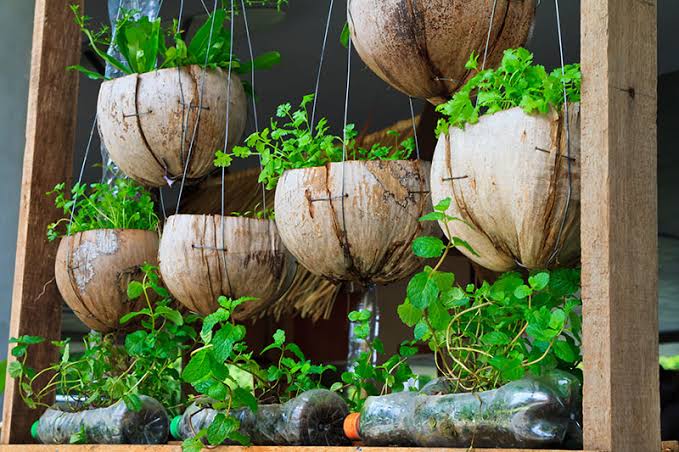
If you’ve ever dreamed of harvesting fresh tomatoes, crunchy cucumbers, or leafy greens right from your backyard (or even your balcony), then you’ll love this amazing How to plant vegetables idea! Whether you’re a beginner or an experienced gardener, this simple method makes vegetable growing easier, cleaner, and more productive than traditional gardening—all while saving time and effort.This “amazing idea” works anywhere: small yards, patios, raised beds, or even containers. Let’s break it down!🥕 1. Start With the Easiest VegetablesIf you’re new to gardening, choose vegetables that grow quickly and don’t require complicated care. Try:Lettuce & spinach — super fast and perfect for beginnersTomatoes — high yield, delicious, and great in potsCucumbers — climb well and save spaceCarrots & radishes — low maintenance and kid-friendlyPeppers — colorful, productive, and great in small gardensThese easy veggies guarantee early success and lots of homegrown flavor.🌱 2. Use the “Smart Bed” MethodHere’s the amazing idea:Create a shallow raised bed or deep container filled with loose, nutrient-rich soil for healthier roots and faster growth.Why it works:Roots grow deeper with less resistanceSoil drains well, so no waterloggingFewer weedsEasy to maintainEven a plastic tote, grow bag, or wooden crate can become a powerful vegetable-growing container!☀️ 3. Give Them the Right Amount of SunMost vegetables thrive in 6–8 hours of full sun, especially:TomatoesPeppersSquashBeansLeafy vegetables (like lettuce, kale, and spinach) do well even with partial sunlight, making them great for balconies or shaded patios.💧 4. Water the Smart WayThe trick to successful vegetable planting is consistent moisture—not too dry, not too wet.Try this simple watering idea:Water deeply every 2–3 daysUse mulch to lock in moistureWater early in the morningAdd a slow-drip bottle system for busy days (easy DIY!)Consistent watering prevents bitter lettuce, cracked tomatoes, and stunted growth.🌿 5. Feed Your Vegetables NaturallyBoost your soil using simple, natural ingredients:Compost — rich nutrientsEggshell powder — adds calciumCoffee grounds — improves soil structureBanana peel water — great for potassiumEpsom salt (sparingly) — helps peppers and tomatoesHealthy soil = healthy vegetables.🪴 6. Try Vertical Growing to Save SpaceHere’s another amazing idea: grow upward!Use:TrellisesTomato cagesBamboo polesHanging basketsWall-mounted plantersThis method is perfect for:CucumbersBeansPeasSmall tomatoesVertical growing improves airflow, reduces pests, and helps you harvest more in less space.🐞 7. Keep Pests Away NaturallyTry these safe and easy tricks:Plant marigolds to repel harmful insectsBasil near tomatoes = fewer pestsDill and fennel attract beneficial ladybugsNeem oil spray handles most insect problemsCrushed eggshells keep slugs awayGarden smarter, not harder!🍅 8. Harvest at the Right TimeOne of the best parts of learning how to plant vegetables is enjoying the harvest! Pick veggies when:Tomatoes: fully colored and slightly softCucumbers: firm and medium-sizedLeafy greens: 4–6 inches tallRoot veggies: tops look matureRegular harvesting encourages new growth and bigger yields.🌼 Why This “How to Plant Vegetables” Idea WorksThis method focuses on:✔ Smart soil✔ Correct sunlight✔ Efficient watering✔ Natural plant nutrition✔ Space-saving techniques✔ Beginner-friendly vegetablesIt simplifies gardening while delivering healthy plants and abundant harvests, even in small spaces.🌿 Final ThoughtsIf you’re ready to grow your own food at home, this amazing How to plant vegetables idea is the perfect place to start. It’s simple, effective, and works for gardeners in the U.S., U.K., Canada, or anywhere else with a bit of outdoor (or indoor!) space. With the right setup, you’ll enjoy vibrant veggies and a thriving garden in no time.