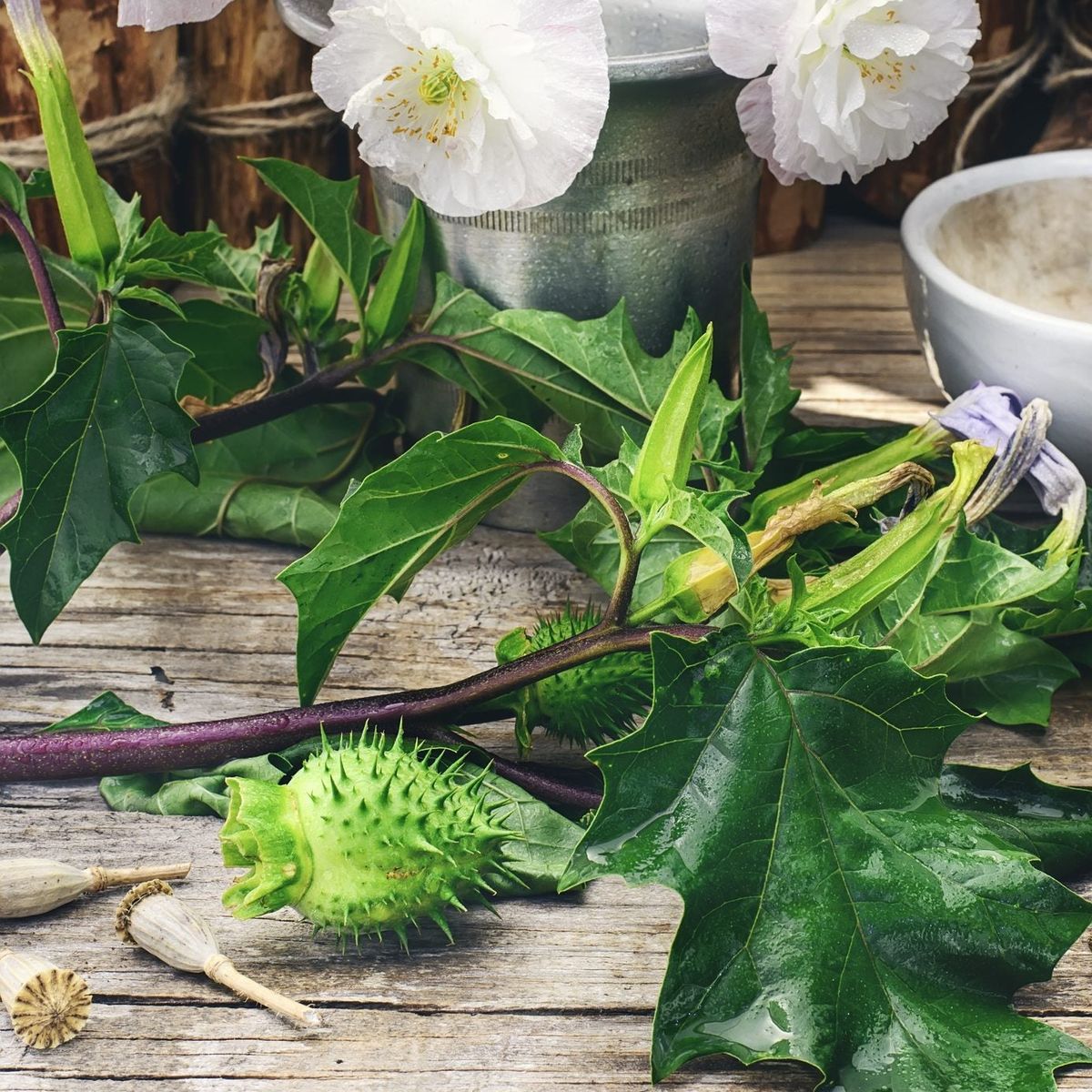
Poisonous flowers often carry a mystique that makes them as fascinating as they are dangerous. From striking colors to unique shapes, these plants can add drama, intrigue, and even a touch of danger to your garden. Transform your garden with poisonous flowers! and create a space that’s visually stunning and uniquely memorable.While caution is essential when handling toxic plants, the rewards of incorporating them into your garden are significant. This guide will help you select, grow, and safely maintain poisonous flowers whether you garden in the United States, United Kingdom, or Canada.Why Grow Poisonous Flowers?Poisonous plants offer more than just aesthetic appeal:Visual impact: Bold colors and unusual shapes create striking focal points.Biodiversity: Some toxic plants attract pollinators like bees and butterflies.Cultural symbolism: Many poisonous flowers have rich histories and myths.Unique garden design: They create a dramatic, mysterious atmosphere.With proper care, poisonous flowers can transform a conventional garden into an extraordinary display.Popular Poisonous Flowers to Consider1. Foxglove (Digitalis purpurea)Known for tall spikes of tubular flowers in shades of purple, pink, and white.Beautiful but highly toxic if ingested.Thrives in partial shade and well-drained soil.2. Belladonna (Atropa belladonna)Also called deadly nightshade, it produces glossy berries and bell-shaped flowers.Extremely toxic; berries are especially dangerous.Prefers shaded areas and rich soil.3. Oleander (Nerium oleander)Evergreen shrub with clusters of pink, red, or white flowers.All parts of the plant are toxic if ingested.Suitable for warm climates and sunny spots.4. Lily of the Valley (Convallaria majalis)Small, fragrant bell-shaped flowers in white, blooming in spring.Toxic if eaten; contains cardiac glycosides.Grows well in shaded areas with moist soil.5. Monkshood (Aconitum)Deep blue or purple flowers with a hooded shape.Extremely poisonous; causes skin irritation on contact.Prefers cool climates and well-drained soil.Safety Tips When Growing Poisonous FlowersWear gloves when handling or pruning plants.Keep children and pets away from toxic areas.Label plants clearly to prevent accidental ingestion.Avoid planting near edible crops to reduce contamination risk.Know emergency contacts for poisoning in your country.Safety ensures you can enjoy the beauty of these flowers without risk.Designing Your Garden with Poisonous FlowersCreating Focal PointsUse tall spikes like foxgloves or monkshood as vertical accents.Plant clusters of the same species for visual impact.Contrasting Colors and TexturesPair white lily of the valley with deep red oleander for dramatic contrast.Mix textures to add depth and intrigue to the garden.Paths and BordersUse toxic plants along fences or borders to create a natural barrier.Avoid paths used by children or pets for safety.Creative design maximizes beauty while minimizing hazards.Growing Tips for Healthy Poisonous FlowersSoil: Most poisonous flowers prefer well-drained, fertile soil.Watering: Maintain consistent moisture but avoid waterlogging.Sunlight: Check each plant’s requirements—some prefer full sun, others partial shade.Pruning: Regular trimming promotes healthy growth and prevents overgrowth.Fertilization: Use balanced fertilizers to support vibrant blooms.Healthy plants are more striking and easier to maintain safely.Seasonal ConsiderationsSpring: Lily of the valley, foxgloveSummer: Oleander, belladonnaAutumn: Late-blooming monkshood varietiesWinter: Evergreen oleander provides year-round structurePlanning by season ensures a continuous display of color and form.Common Mistakes to AvoidPlanting poisonous flowers where pets or children playIgnoring care instructions, leading to weak, less vibrant plantsOvercrowding, which increases risk of accidental contactFailing to label plants, causing confusion or accidental ingestionAvoiding these mistakes keeps your garden both beautiful and safe.Why Poisonous Flowers Work in the US, UK, and CanadaMany poisonous species are adaptable to a variety of climates.Materials and plant varieties are widely available in local nurseries or online.Safety and design practices translate across regions.With careful planning, poisonous flowers can enhance gardens globally.ConclusionPoisonous flowers combine beauty, intrigue, and drama in ways that ordinary plants cannot. By choosing the right species, following safety guidelines, and designing thoughtfully, you can transform your garden with poisonous flowers! into a striking, memorable space that sparks conversation and admiration.Whether you garden in the United States, United Kingdom, or Canada, incorporating these toxic yet stunning blooms offers a unique way to showcase creativity, boldness, and a touch of mystery in your outdoor oasis. 🌺⚠️🌿