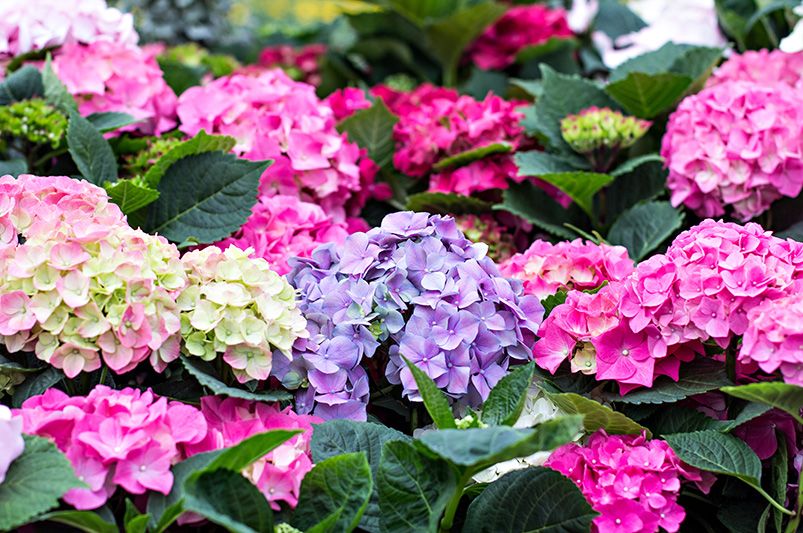
Hydrangeas are one of the most beloved flowering shrubs in home gardens—and for good reason. Their large, lush blooms, long flowering season, and versatility make them a stunning addition to almost any landscape. If you want to elevate your outdoor space, learning how to plant hydrangeas correctly is the first step to a garden transformation you’ll enjoy for years.In this complete guide, you’ll discover when and where to plant hydrangeas, step-by-step planting instructions, practical care tips, and common mistakes to avoid so your plants thrive and bloom beautifully.Why Hydrangeas Are Perfect for Garden TransformationHydrangeas instantly add elegance and charm to a garden. With proper planting and care, they can become long-lasting focal points.Benefits of hydrangeas include:Large, eye-catching bloomsLong flowering periodExcellent for borders, hedges, and containersAdaptable to many climatesSome varieties change color based on soil pHUnderstanding how to plant hydrangeas ensures you get the most from these spectacular shrubs.Types of Hydrangeas to Know Before PlantingChoosing the right variety is essential before you plant.Popular Hydrangea TypesBigleaf Hydrangea (Hydrangea macrophylla)Blue, pink, or purple bloomsIdeal for mild climatesGreat for foundation plantingPanicle Hydrangea (Hydrangea paniculata)Cone-shaped flowersVery hardy and sun-tolerantExcellent for colder regionsSmooth Hydrangea (Hydrangea arborescens)Large white bloomsExtremely cold-hardyEasy to maintainOakleaf Hydrangea (Hydrangea quercifolia)Unique oak-shaped leavesBeautiful fall colorGreat for woodland gardensChoosing the right type helps ensure success when learning how to plant hydrangeas.Best Time to Plant HydrangeasTiming plays a big role in establishing healthy plants.Ideal Planting SeasonsSpring: After the last frostFall: Early fall before the first frostAvoid planting during extreme heat or freezing conditions. Mild temperatures help roots establish faster.Choosing the Perfect LocationLocation can make or break your hydrangea’s performance.Sunlight RequirementsMorning sun with afternoon shade is idealPanicle hydrangeas tolerate more sunToo much sun can scorch leavesSoil ConditionsRich, well-draining soilSlightly acidic soil works bestAvoid heavy clay or waterlogged areasSelecting the right spot is one of the most important steps in how to plant hydrangeas successfully.How to Plant Hydrangeas: Step-by-Step GuideStep 1: Dig the HoleDig a hole twice as wide as the root ballDepth should match the root ball heightStep 2: Prepare the SoilMix compost or aged manure into the soilThis improves drainage and nutrientsStep 3: Place the PlantGently remove the hydrangea from its containerLoosen roots if tightly boundPlace plant so the crown is level with the soilStep 4: Backfill and WaterFill the hole with amended soilPress gently to remove air pocketsWater deeply after plantingStep 5: MulchAdd 2–3 inches of mulch around the baseKeep mulch away from the stemThis method ensures strong root establishment and long-term health.Spacing Hydrangeas CorrectlyProper spacing prevents overcrowding and disease.Space plants 3–6 feet apart, depending on varietyAllow room for mature growthGood air circulation promotes healthy bloomsSpacing is a simple but often overlooked part of how to plant hydrangeas.Watering Hydrangeas After PlantingHydrangeas love moisture—but balance is key.Watering TipsWater deeply 2–3 times per week initiallyKeep soil consistently moist, not soggyIncrease watering during hot or dry periodsNewly planted hydrangeas need consistent moisture for the first growing season.Fertilizing Hydrangeas for Best GrowthFeeding helps hydrangeas grow strong and bloom well.Fertilizer TipsUse a balanced slow-release fertilizerApply in early springAvoid over-fertilizing (leads to leaves, not flowers)Proper feeding complements your efforts in learning how to plant hydrangeas.Changing Hydrangea Flower ColorSome hydrangeas change color based on soil pH.Acidic soil = blue flowersAlkaline soil = pink flowersYou can adjust soil pH using:Aluminum sulfate (for blue)Garden lime (for pink)This feature makes hydrangeas especially fun to grow.Common Mistakes to AvoidAvoid these errors to keep plants healthy:Planting in full afternoon sunPoor soil drainageOverwatering or underwateringPruning at the wrong timePlanting too deepAvoiding these mistakes improves success when learning how to plant hydrangeas.Hydrangeas in ContainersHydrangeas also thrive in pots with proper care.Container TipsChoose large pots with drainage holesUse high-quality potting mixWater more frequently than ground plantsProtect pots in winter in cold climatesContainer hydrangeas are perfect for patios and balconies.Seasonal Care After PlantingSpring & SummerWater regularlyApply fertilizerDeadhead spent bloomsFallReduce wateringAdd mulch for winter protectionWinterProtect young plants from frostAvoid heavy pruningGood seasonal care ensures long-term success.Why Hydrangeas Transform Any GardenHydrangeas bring:Structure and softnessLong-lasting colorVisual interest across seasonsA classic, timeless lookOnce you understand how to plant hydrangeas, they become one of the most rewarding garden plants.ConclusionLearning how to plant hydrangeas is one of the best ways to transform your garden with minimal effort and maximum impact. With the right variety, proper location, good soil preparation, and consistent care, hydrangeas will reward you with breathtaking blooms year after year.Whether you’re designing a cottage garden, modern landscape, or container display, hydrangeas add elegance, color, and charm that few plants can match. Plant them correctly today, and enjoy a garden transformation that lasts for seasons to come.