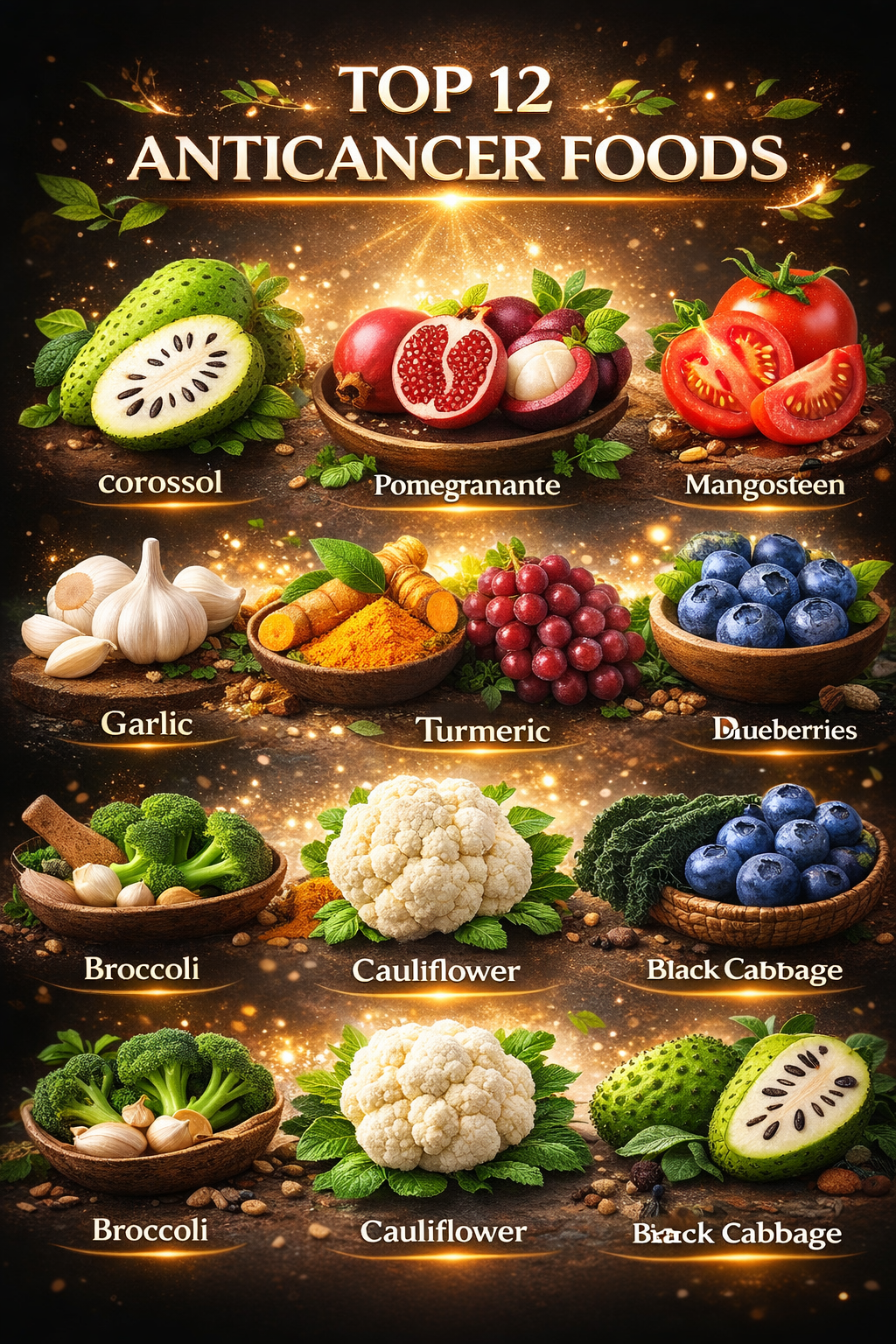
Maintaining a healthy diet is one of the most powerful lifestyle choices you can make to support long-term well-being. While no single food can prevent cancer entirely, growing scientific evidence shows that certain nutrient-rich foods may help reduce cancer risk by supporting the immune system, reducing inflammation, and protecting cells from damage. That’s why understanding the Top 12 Anti-Cancer Foods to Include in Your Diet for a Healthier Life is an important step toward proactive wellness.Anti-cancer foods are typically rich in antioxidants, vitamins, minerals, fiber, and phytochemicals—natural compounds that help neutralize free radicals and support healthy cellular function. By regularly including these foods in your meals, you can build a diet that not only nourishes your body but also promotes resilience against chronic disease.In this article, we’ll explore the top anti-cancer foods, explain why they matter, and share practical ways to include them in everyday meals.Why Diet Plays a Role in Cancer PreventionThe Link Between Nutrition and Cellular HealthCancer develops when cells grow uncontrollably, often due to DNA damage caused by inflammation, toxins, or oxidative stress. Diets rich in whole, plant-based foods can help counteract these processes by providing antioxidants and anti-inflammatory compounds.A Preventive, Not Curative, ApproachIt’s important to note that anti-cancer foods are part of a preventive lifestyle, not a medical treatment. When combined with regular exercise, avoiding tobacco, limiting alcohol, and maintaining a healthy weight, diet becomes a powerful protective tool.Top 12 Anti-Cancer Foods to Include in Your Diet for a Healthier Life1. Broccoli and Cruciferous VegetablesBroccoli, cauliflower, Brussels sprouts, and kale are rich in sulforaphane, a compound studied for its potential to inhibit cancer cell growth. These vegetables also support natural detoxification processes in the body.How to eat them: Lightly steam or roast to preserve nutrients.2. BerriesBlueberries, strawberries, raspberries, and blackberries are packed with antioxidants such as anthocyanins and vitamin C. These compounds help protect cells from oxidative damage linked to cancer development.How to eat them: Add to smoothies, oatmeal, or yogurt.3. TomatoesTomatoes are one of the best dietary sources of lycopene, a powerful antioxidant associated with a reduced risk of prostate and other cancers. Cooked tomatoes provide even higher lycopene absorption.How to eat them: Tomato sauces, soups, and roasted tomatoes.4. GarlicGarlic contains sulfur-containing compounds that may help slow cancer progression and support immune function. Regular garlic consumption has been linked to lower risks of stomach and colorectal cancers.How to eat it: Use fresh garlic in cooking rather than supplements.5. TurmericTurmeric contains curcumin, a compound widely studied for its anti-inflammatory and antioxidant properties. Curcumin may interfere with cancer cell signaling pathways.How to eat it: Combine with black pepper to enhance absorption.6. Leafy Green VegetablesSpinach, Swiss chard, arugula, and romaine lettuce are rich in folate, fiber, and carotenoids. These nutrients support DNA repair and healthy cell division.How to eat them: Use in salads, soups, and smoothies.7. Fatty FishSalmon, sardines, and mackerel are high in omega-3 fatty acids, which help reduce inflammation—a key factor in cancer development.How to eat them: Aim for two servings per week.8. Green TeaGreen tea contains catechins, particularly EGCG, which have been studied for their potential to inhibit tumor growth and protect cells from damage.How to drink it: Brew gently with hot—not boiling—water.9. Nuts and SeedsWalnuts, flaxseeds, chia seeds, and almonds provide healthy fats, fiber, and antioxidants that support overall metabolic and cellular health.How to eat them: Sprinkle on salads or blend into smoothies.10. Whole GrainsBrown rice, oats, quinoa, and whole wheat provide fiber that supports gut health. A healthy digestive system plays a role in reducing cancer risk, especially colorectal cancer.How to eat them: Replace refined grains with whole-grain alternatives.11. Citrus FruitsOranges, lemons, grapefruits, and limes are rich in vitamin C and flavonoids, which support immune function and cellular protection.How to eat them: Fresh juices, slices, or zest in meals.12. LegumesBeans, lentils, and chickpeas are high in fiber, plant-based protein, and phytochemicals that help regulate blood sugar and reduce inflammation.How to eat them: Add to soups, stews, and salads.Practical Tips for Including Anti-Cancer Foods DailyFocus on VarietyEating a wide range of colorful fruits and vegetables ensures you get diverse protective compounds. Aim to “eat the rainbow” throughout the week.Choose Whole Foods Over Processed FoodsHighly processed foods often contain excess sugar, unhealthy fats, and additives. Whole foods retain natural nutrients that support cellular health.Cook SmartOvercooking can destroy sensitive nutrients. Use steaming, roasting, or sautéing instead of deep frying.Pair Foods StrategicallySome nutrients absorb better together—for example, turmeric with black pepper or tomatoes with healthy fats like olive oil.Build Sustainable HabitsRather than drastic changes, gradually incorporate these foods into meals you already enjoy. Small, consistent changes are more effective long term.Why These Foods Matter for Long-Term HealthIncluding the Top 12 Anti-Cancer Foods to Include in Your Diet for a Healthier Life is not only about cancer prevention—it also supports heart health, digestion, immune function, and energy levels. These foods promote overall wellness and can reduce the risk of other chronic diseases such as diabetes and cardiovascular disease.For readers in the US, UK, and Canada, these foods are widely available and adaptable to different cuisines and lifestyles.ConclusionA healthy diet plays a vital role in protecting the body from chronic disease, and the Top 12 Anti-Cancer Foods to Include in Your Diet for a Healthier Life offer a powerful foundation for long-term wellness. While no diet can guarantee cancer prevention, consistently choosing nutrient-rich, whole foods helps support immune defenses, reduce inflammation, and protect cells from damage.By focusing on fruits, vegetables, whole grains, healthy fats, and plant-based proteins, you can create meals that are both delicious and nourishing. Combined with a balanced lifestyle, these dietary choices empower you to take an active role in supporting your health—one meal at a time.