
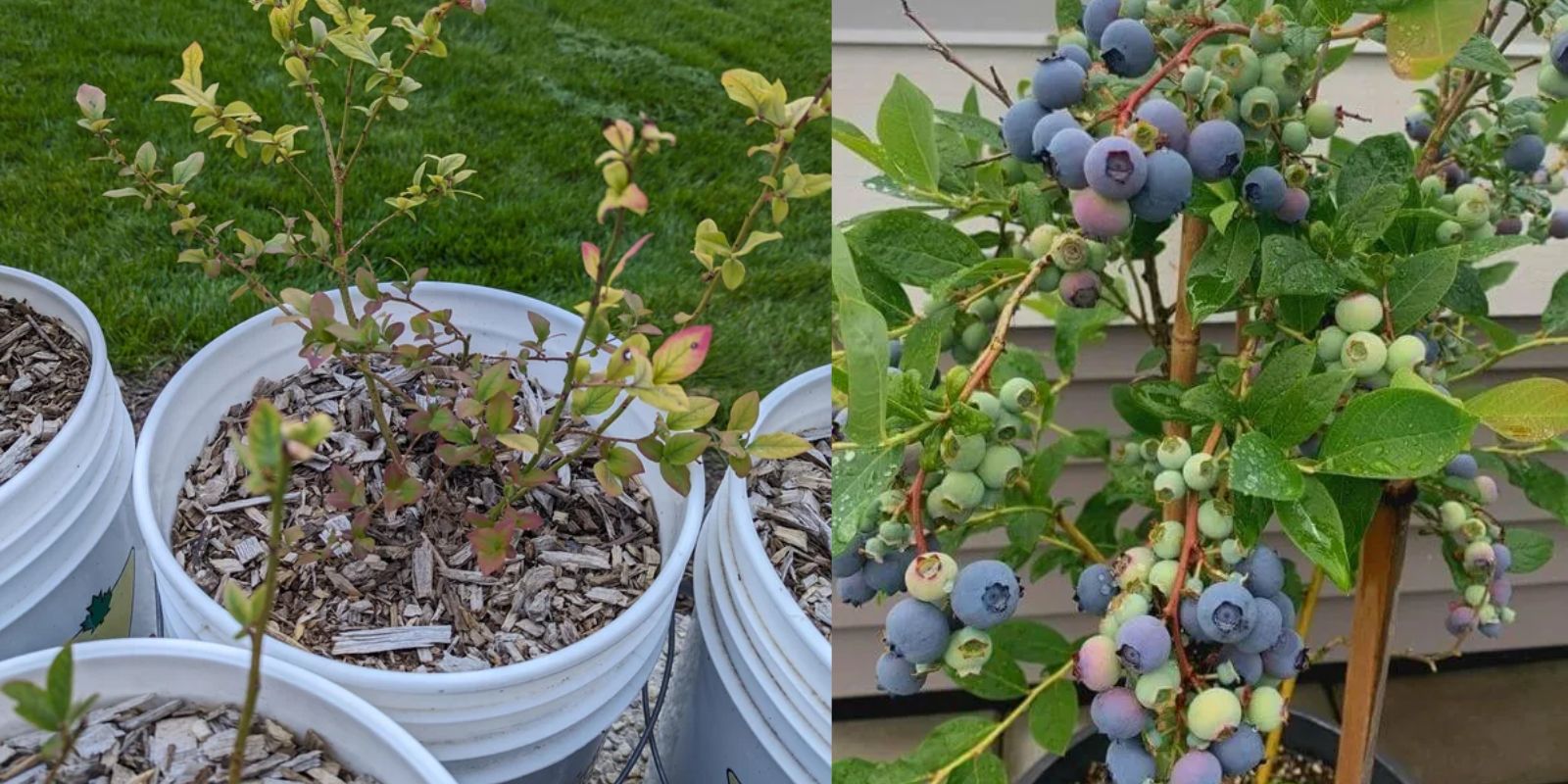
Blueberries are a beloved fruit, prized for their sweet flavor, versatility, and health benefits. Imagine having your very own fresh blueberries right in your garden or even on your balcony or patio. While growing blueberries in the ground is a popular choice, growing them in pots offers many advantages, especially for those with limited space or poor soil conditions. Container gardening allows you to have full control over the soil quality, sunlight, and water, making it an ideal solution for growing the perfect potted blueberry bush.
In this guide, we will walk you through everything you need to know about growing blueberries in containers, from selecting the right variety to harvesting a bountiful crop of berries. Whether you’re a seasoned gardener or a beginner, these easy-to-follow steps will ensure your blueberries thrive and produce delicious fruit.
Why Grow Blueberries in Pots?
Growing blueberries in containers has numerous benefits. First and foremost, it provides flexibility. If you have a small garden or no garden at all, container gardening allows you to grow blueberries on a balcony, patio, or even in a windowsill. Additionally, growing blueberries in pots offers the following advantages:
- Control Over Soil Quality: Blueberries thrive in acidic soil with a pH of 4.5 to 5.5. Container gardening gives you the power to create the perfect growing environment for your plants by using specialized acidic soil mixes.
- Portability: Potted blueberries can be moved around to find the perfect balance of sun exposure. You can adjust the placement of the pots throughout the year to ensure your plants get enough sunlight.
- Protection from Pests: Containers help reduce the risk of pests and diseases that often affect plants grown in the ground. You can easily control the growing environment by moving the pots if necessary.
- Space Efficiency: Even if you have limited space, growing blueberries in containers allows you to grow a variety of plants without taking up too much room. You can place them on balconies, patios, or even inside your home.
- Easy Maintenance: With potted blueberries, you can easily monitor watering, soil health, and growth, ensuring that your plants receive optimal care.
Choosing the Right Container for Your Blueberry Bush
The first step in growing a potted blueberry bush is choosing the right container. The pot should be large enough to accommodate the root system of your blueberry bush and provide enough space for growth. Ideally, your container should be at least 18 inches in diameter and 18 inches deep, but larger pots will allow for more root growth and ultimately better fruit production.
When selecting a pot, choose one that has good drainage. Blueberries do not like sitting in waterlogged soil, so it’s crucial to select a pot with multiple drainage holes to allow excess water to escape. If you live in an area with heavy rainfall, you may also want to consider placing your pot on a raised surface to prevent water from accumulating at the bottom.
Materials like plastic, ceramic, or terracotta work well for pots, but make sure the material you choose is durable enough to withstand the elements if the container will be kept outdoors. Terracotta pots are breathable, which helps with moisture regulation, but they can dry out faster. If you’re new to container gardening, a plastic or resin pot may be a good choice as it’s lightweight and retains moisture better.
Selecting the Right Blueberry Variety
Not all blueberry varieties are suited for container gardening. When choosing a variety, it’s important to pick one that is compact and well-suited for growing in pots. Dwarf or semi-dwarf varieties are ideal for containers as they have a smaller growth habit but still produce an abundance of fruit.
Some of the best blueberry varieties for pots include:
- Top Hat: A compact variety that grows to about 18 inches tall and is perfect for small spaces. It produces small, sweet berries and requires minimal care.
- Patriot: A semi-dwarf variety that grows about 18 to 24 inches tall and is known for its hardiness and high yield of large, flavorful berries.
- Jelly Bean: A small, compact variety that grows to about 18 inches tall, Jelly Bean produces sweet, large berries and is ideal for container gardening.
- Sunshine Blue: A self-pollinating dwarf variety that grows up to 3 feet tall and is known for its ability to tolerate a wider range of soil types.
When choosing a variety, consider the climate in your area. Some varieties, such as “Patriot,” are better suited for colder climates, while others, like “Sunshine Blue,” are more tolerant of warmer temperatures. Be sure to check the recommended growing zones for each variety to ensure success in your area.
Preparing the Soil for Your Blueberry Bush
Blueberries prefer acidic soil with a pH level between 4.5 and 5.5. Most garden soils are too alkaline for blueberries, which is why container gardening is a great option. To create the perfect growing medium for your potted blueberry bush, you should use a well-draining, acidic potting mix designed for acid-loving plants.
You can either purchase a specialized acidic potting mix or amend a standard potting mix by adding organic matter such as peat moss or pine bark. These materials help lower the pH of the soil and improve drainage, providing the ideal growing environment for blueberries.
Avoid using regular garden soil in containers, as it can compact over time, leading to poor drainage and root rot. Additionally, garden soil often lacks the necessary nutrients for container-grown plants.
Planting Your Blueberry Bush
Once you’ve selected your pot and prepared the soil, it’s time to plant your blueberry bush. Follow these simple steps to ensure a successful planting:
- Prepare the Root Ball: Gently remove the blueberry bush from its nursery container. If the roots are tightly bound, loosen them gently with your fingers to encourage new growth.
- Place the Plant in the Pot: Fill the bottom of the pot with a few inches of your acidic potting mix. Place the blueberry bush in the center of the pot, making sure the root ball is level with the top of the pot. The top of the root ball should be slightly below the rim of the pot to allow for watering.
- Fill the Pot: Add more potting mix around the root ball, gently pressing the soil down to eliminate any air pockets. Be sure not to pack the soil too tightly, as blueberries need loose, well-draining soil.
- Water Thoroughly: After planting, water the bush thoroughly to help settle the soil and ensure good root-to-soil contact. Keep the soil consistently moist but not soggy, as blueberries are sensitive to waterlogging.
Watering and Fertilizing Your Potted Blueberry Bush
Blueberries need consistent moisture, but they do not like to sit in waterlogged soil. Water your potted blueberry bush regularly, especially during dry periods. The soil should remain moist, but it should never be soaking wet. If you live in a hot climate, you may need to water your blueberries more frequently.
Fertilizing your blueberry bush is also important for healthy growth and fruit production. Use a slow-release fertilizer formulated for acid-loving plants, and apply it in early spring and again in early summer. Avoid using fertilizers that are high in nitrogen, as this can lead to excessive leafy growth at the expense of fruit production.
If you’re looking for an organic option, you can use compost or well-aged manure to provide essential nutrients to your blueberry plant.
Pruning and Maintaining Your Blueberry Bush
To encourage healthy growth and a bountiful harvest, it’s essential to prune your potted blueberry bush regularly. Pruning helps maintain the shape of the plant, removes dead or diseased wood, and stimulates new growth. Here are some tips for pruning blueberries:
- Prune in Late Winter or Early Spring: The best time to prune your blueberry bush is during its dormant period, before new growth begins. This will minimize stress on the plant and promote better fruit production.
- Remove Dead or Damaged Wood: Cut back any dead, damaged, or diseased branches to improve air circulation and prevent disease spread.
- Thin Out the Center: If your plant has a lot of crowded growth in the center, thin it out to allow more sunlight to reach the interior branches. This will encourage better fruit development.
- Remove Old Wood: Blueberries produce the most fruit on 1- to 2-year-old wood, so it’s important to remove any older, less productive branches.
Harvesting Your Blueberries
Your potted blueberry bush will start producing fruit after a couple of years, depending on the variety you’ve chosen. Harvest your blueberries when they turn fully ripe, which is usually a deep blue color. Blueberries do not continue to ripen once picked, so it’s important to wait until they are fully mature before harvesting.
To harvest, simply pick the ripe berries by hand, being careful not to damage the plant. If you have a large bush, you can also use a gentle harvesting rake to collect the berries.
Conclusion
Growing blueberries in pots is a rewarding and practical way to enjoy this delicious fruit at home. With the right variety, container, soil, and care, your potted blueberry bush will thrive and provide a bountiful harvest for years to come. Whether you’re growing them on a balcony, patio, or even inside your home, potted blueberries are a great way to bring fresh, homegrown fruit into your life. So, start planting today, and watch your blueberry bush flourish!
#Blueberries #ContainerGardening #UrbanGardening #PottedPlants #GrowYourOwnFood #HomegrownFruit #SmallSpaceGardening #GardeningTips #BlueberryBush #SustainableGardening #FruitInContainers #GreenThumb