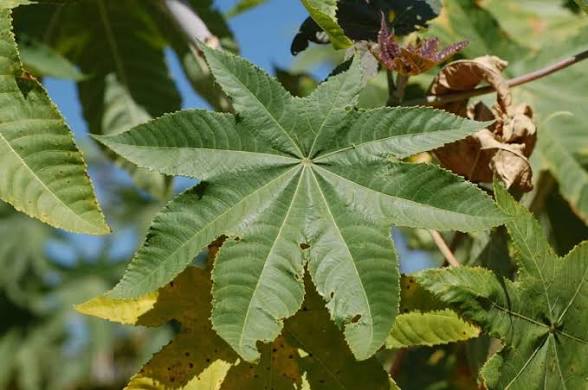
When people hear about the castor plant, they usually think of castor oil. However, the leaves of the castor plant — scientifically known as Ricinus communis — have been used for generations in traditional practices across Africa, Asia, and parts of the Caribbean.Often called nature’s hidden gift, castor leaves have been valued in folk remedies for their warming, soothing, and supportive properties. While modern scientific research on castor leaves is still developing, traditional use suggests a range of potential benefits.Let’s explore the traditional uses, possible benefits, safety considerations, and practical ways castor leaves have been used historically.What Are Castor Leaves?Castor leaves come from the castor oil plant, a fast-growing plant with large, star-shaped leaves. The plant thrives in warm climates and is commonly grown in tropical and subtropical regions.⚠️ Important note: The seeds of the castor plant contain ricin, a toxic compound. Leaves are traditionally used externally and should be handled carefully. Never ingest castor plant parts without professional guidance.Traditional Uses of Castor LeavesFor centuries, castor leaves have been used in home remedies, especially as external applications.1. Soothing Muscle and Joint DiscomfortIn traditional herbal practices, warmed castor leaves are applied as compresses to:Sore musclesStiff jointsLower back discomfortSwollen areasThe warmth combined with the leaf’s natural compounds is believed to promote circulation and relaxation.2. Supporting Skin ComfortCrushed or warmed castor leaves have historically been applied to:Minor skin irritationsSwollen areasInsect bitesTheir cooling yet warming effect (depending on preparation) makes them popular in traditional topical remedies.3. Postpartum Traditional CareIn some cultures, castor leaves are warmed and placed on the abdomen after childbirth as part of traditional recovery rituals. These practices are cultural and should always be discussed with a healthcare provider.4. Hair and Scalp SupportWhile castor oil is more commonly used for hair care, some traditional methods involve leaf infusions applied to the scalp.These practices are believed to:Support scalp circulationHelp maintain healthy hair appearanceScientific research in this area remains limited.How Castor Leaves Are Traditionally UsedWarm Compress MethodWash fresh castor leaves thoroughly.Gently warm them (do not burn).Apply directly to the skin.Cover with cloth and leave for 20–30 minutes.This is the most common traditional preparation.Leaf Infusion (External Use Only)Some traditions involve boiling leaves in water and using the cooled liquid as a rinse or compress.⚠️ This should not be consumed.Potential Benefits Based on Traditional UseWhile research is still ongoing, traditional beliefs suggest castor leaves may:Promote circulationProvide soothing warmthSupport skin comfortAssist with temporary muscle stiffnessHowever, these are traditional claims, not medical guarantees.Safety ConsiderationsCastor plants contain potent natural compounds. Keep these precautions in mind:❌ Do not ingest leaves❌ Avoid use on broken skin❌ Keep away from children and pets❌ Consult a healthcare professional if pregnant or nursing❌ Perform a patch test before topical useIf irritation occurs, discontinue immediately.Castor Leaves vs. Castor OilMany people confuse the two.Castor Oil: Extracted from seeds, widely used in cosmetics and as a laxative (under medical supervision).Castor Leaves: Traditionally used externally for compresses and topical applications.The leaves and oil are not interchangeable in use.Growing Castor Plants at HomeIn warm climates (US southern states, parts of Canada in summer, UK greenhouses), castor plants can be grown as ornamental plants.They require:Full sunWell-drained soilWarm temperatures⚠️ Due to toxicity concerns, caution is necessary when growing around children or pets.Modern Interest in Herbal RemediesAcross the United States, United Kingdom, and Canada, interest in plant-based and traditional wellness practices has grown significantly. Castor leaves are part of this broader movement toward natural, home-based remedies.However, it’s important to balance tradition with evidence-based healthcare.When to Seek Medical AdviceDo not rely on herbal remedies alone if you experience:Persistent painSevere swellingSkin infectionsChronic health conditionsNatural support works best alongside professional care.Final ThoughtsThe Power of Castor Leaves: Nature’s Hidden Gift 🌿 lies in their long-standing role in traditional wellness practices. Used primarily as warm compresses and external applications, castor leaves have been valued for generations in many cultures.While modern science continues to explore their properties, it’s essential to approach them with knowledge, respect, and caution. When used responsibly and externally, castor leaves remain an intriguing example of how nature has supported traditional health practices for centuries.Sometimes, the most powerful remedies are the ones quietly growing in the garden — waiting to be rediscovered. 🌿