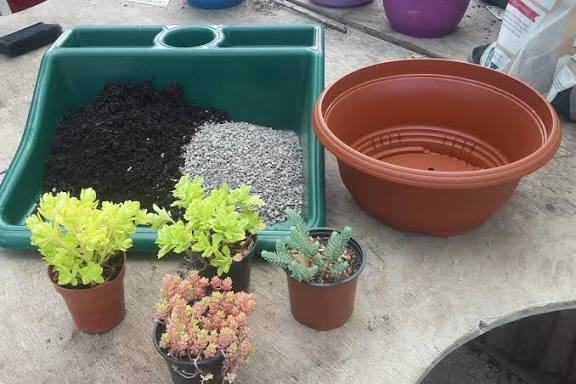
A dish garden is a charming miniature landscape created by planting several compatible plants together in a shallow container. It’s perfect for small spaces, desks, coffee tables, or as a thoughtful gift. Whether you’re a beginner or a plant lover, this step-by-step guide to dish garden creation will help you design a beautiful, healthy arrangement with confidence.What Is a Dish Garden?A dish garden is a decorative container planting that combines multiple plants—usually houseplants—with similar care needs. Unlike terrariums, dish gardens are typically open containers, allowing better airflow and easier maintenance.Benefits of Creating a Dish GardenSpace-saving: Ideal for apartments and small roomsCreative: Mix textures, colors, and heightsLow maintenance: When plants are chosen wiselyDecorative: Adds instant greenery to any spaceStep 1: Choose the Right ContainerWhat to Look ForShallow but wide container (ceramic, glass, or terracotta)Drainage holes are best (if none, you’ll manage watering carefully)Size should allow space between plantsTip: Neutral-colored dishes highlight plant colors beautifully.Step 2: Select Compatible PlantsChoose plants with similar light and water needs to keep your dish garden thriving.Best Plants for Dish GardensFoliage plants:PothosFittonia (nerve plant)PeperomiaMini fernsSucculent dish gardens (separate type):EcheveriaHaworthiaJade plant⚠️ Don’t mix succulents with tropical plants—they need different care.Step 3: Prepare the Base LayerLayering MattersDrainage layer: Small stones or gravel (especially important if no drainage holes)Activated charcoal (optional): Helps prevent odors and root rotPotting mix:Use indoor plant soil for foliage plantsCactus mix for succulentsFill the container about halfway.Step 4: Arrange the PlantsBefore planting, place plants (still in their pots) on top of the soil to plan the layout.Design TipsPut taller plants in the center or backTrailing plants near edgesBalance colors and texturesLeave space for growthThis step makes your dish garden look intentional and professional.Step 5: Plant CarefullyRemove plants from their potsGently loosen rootsPlace each plant into the soilFill gaps with potting mixPress soil lightly to secure plantsAvoid burying stems too deeply.Step 6: Add Decorative Touches (Optional)Enhance your dish garden with simple accents:Pebbles or mossMini figurinesDriftwood or small stonesKeep decorations minimal so plants remain the focus.Step 7: Water ProperlyWater lightly after planting.Watering TipsSoil should be moist, not soggyUse a watering can with a narrow spoutFor no-drainage containers, water sparinglyOverwatering is the most common mistake in dish gardens.Step 8: Choose the Right LocationPlace your dish garden where plants will thrive:Bright, indirect light for most foliage plantsAvoid direct sunlight unless plants require itKeep away from heaters and cold draftsRotate occasionally for even growth.Ongoing Care & MaintenanceWeekly CareCheck soil moistureRemove yellow or dead leavesMonthly CareTrim overgrown plantsClean leaves gently with a damp clothFertilizingUse diluted houseplant fertilizer every 4–6 weeks during growing seasonCommon Dish Garden Mistakes to AvoidMixing plants with different water needsOvercrowding plantsOverwateringUsing heavy garden soil instead of potting mixDish Garden Ideas to TryZen dish garden: Ferns, moss, stonesModern minimalist: Snake plant + pebblesFairy dish garden: Fittonia, mini décorSucculent dish garden: Cactus mix + gravelConclusionCreating a dish garden is a rewarding way to bring nature indoors while expressing your creativity. By choosing the right container, compatible plants, and following proper care steps, you’ll enjoy a stunning miniature garden that lasts.With this step-by-step guide to dish garden creation, you’re ready to design a beautiful green centerpiece for your home or office. 🌱✨