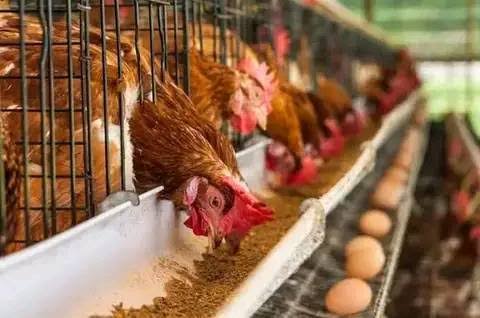
Poultry farming is one of the most rewarding and profitable agricultural ventures, and starting an Amber chicken farm is simpler than many people think. Whether you’re a first-time farmer, a hobbyist looking to diversify your income, or someone interested in sustainable living, Amber chickens provide an excellent opportunity. Known for their robust health, high egg production, and friendly temperament, Amber chickens are ideal for both small-scale and commercial operations.In this article, we’ll guide you through everything you need to know—from choosing your birds and setting up your farm to feeding, caring for, and marketing them successfully. By the end, you’ll see that starting an Amber chicken farm is simple and doable for anyone willing to plan and take consistent steps.Why Choose Amber ChickensAmber chickens are a popular breed for several reasons:High egg production: Amber hens lay a steady supply of eggs year-round.Hardiness: They are resilient and adapt well to different climates.Friendly nature: Easy to handle, making them perfect for beginners.Meat quality: Amber chickens also provide tender, flavorful meat, adding versatility for farm operations.Their combination of productivity, low maintenance, and adaptability makes Amber chickens an ideal choice for anyone starting a poultry farm.Step 1: Planning Your Amber Chicken FarmBefore you get started, proper planning is essential. Ask yourself:How many chickens do I want to start with?Will this be a hobby farm, small-scale commercial farm, or larger operation?Do I have the space, water supply, and electricity needed?Space requirements: Each adult Amber chicken needs about 2–3 square feet inside the coop and 8–10 square feet in an outdoor run.Budgeting: Include costs for:Buying chicks or adult birdsHousing materials (coop, feeders, waterers)Feed and supplementsHealth care (vaccines, medications)Step 2: Setting Up the CoopA well-designed coop is crucial for the health and productivity of your Amber chickens.Key features:Protection: Secure from predators like foxes, raccoons, and stray dogs.Ventilation: Good airflow without drafts prevents respiratory issues.Lighting: Natural or artificial light helps regulate laying cycles.Nesting boxes: 1 box per 3–4 hens encourages egg-laying.Roosting perches: Amber chickens like to perch at night.Optional additions: Dust baths, automatic feeders, and waterers to reduce labor.Step 3: Feeding and NutritionProper nutrition is essential for healthy growth and egg production.Starter feed: For chicks up to 6 weeks old.Grower feed: For pullets from 6–20 weeks.Layer feed: For hens once they start laying eggs.Supplements: Grit, calcium, and vitamins help digestion and shell quality. Always provide clean, fresh water.Step 4: Caring for Your Amber ChickensHealth checks: Inspect birds daily for signs of illness, parasites, or injury.Vaccination: Protect against common poultry diseases.Cleaning: Regularly clean the coop and nesting boxes to prevent infections.Social interaction: Amber chickens thrive with social contact and moderate handling.Maintaining a routine ensures your flock stays healthy and productive.Step 5: Marketing Your ProductsAmber chickens offer multiple revenue streams:Eggs: Sell fresh eggs to neighbors, local markets, or restaurants.Meat: Supply local buyers or butcher shops with high-quality chicken.Chicks: Sell young birds to other aspiring farmers.Tips for marketing:Focus on the quality and freshness of your products.Build a social media presence for local visibility.Consider farm tours or CSA (Community Supported Agriculture) programs.Advantages of Starting an Amber Chicken FarmLow entry barrier: Minimal experience and space required.Quick returns: Egg-laying starts within 18–22 weeks for pullets.Scalable: Start small and expand as you gain experience.Sustainable: Provides a source of protein and income with minimal environmental impact.Common Challenges and How to Overcome ThemPredators: Secure the coop and run with fencing and locks.Diseases: Maintain cleanliness and follow a vaccination schedule.Feed costs: Buy in bulk or locally to reduce expenses.Weather extremes: Provide shade, ventilation, or insulation depending on season.With proper planning, these challenges are manageable even for first-time farmers.ConclusionStarting an Amber chicken farm is simple, achievable, and rewarding. With the right planning, housing, feeding, and care, anyone can raise a healthy, productive flock. Amber chickens offer reliable egg production, tasty meat, and a friendly temperament, making them perfect for beginners and seasoned farmers alike.Whether you aim to produce eggs for your family, sell locally, or build a small-scale commercial operation, starting an Amber chicken farm is simple and doable for anyone willing to invest time and attention in your flock.🐓💛 With patience, care, and consistency, your Amber chicken farm can become a thriving, sustainable venture that provides food, income, and satisfaction for years to come.