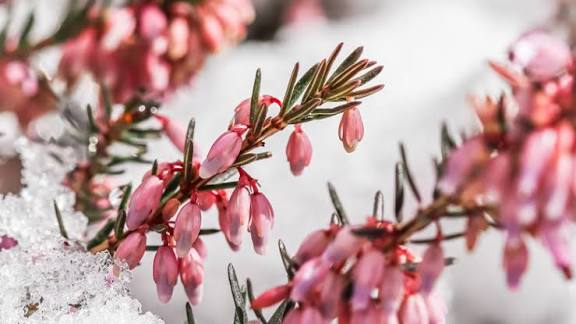
Winter doesn’t have to mean a dull, colorless garden. With the right plants, timing, and techniques, you can enjoy vibrant blooms even through frost and snow. These simple tricks to winter flowers successfully will help you grow hardy, cheerful blossoms all season long — whether you live in the United States, United Kingdom, or Canada.Let’s bring some color back into winter!🌼 1. Choose Winter-Hardy FlowersThe biggest secret to success is choosing flowers that love cold weather.🌸 Best Winter Flowers to GrowPansies – Bright blooms that handle frostViolas – Small but powerful cold-tolerant flowersHellebores (Christmas Rose) – Winter and early spring bloomersWinter Jasmine – Yellow flowers that brighten gray daysSnowdrops – Among the first blooms under snowCamellias – Stunning flowers for mild-winter climatesPrimroses – Colorful and cold-friendlyHeather – Great for winter landscapesSelecting the right varieties makes winter gardening effortless!🌱 2. Plant at the Right TimeTiming is everything.✔ When to Plant for Winter BloomsFall (Sept–Nov) is ideal so plants can establish roots before freezing.In colder regions (Canada, Northern US/UK), plant earlier in fall.In milder climates, you can plant winter flowers up until early winter.This ensures your flowers are strong enough to handle the cold.❄️ 3. Protect Roots, Not Just BloomsWinter flowers are tougher than you think — it’s the roots that need protection.✔ Simple Root Protection TricksAdd 2–3 inches of mulch (straw, bark, leaves).Water before a freeze to protect the root zone.Use frost cloth during severe cold snaps.These steps keep the soil temperature stable and your plants thriving.💧 4. Water the Right WayOverwatering in winter is a common mistake.✔ How to Water Winter FlowersWater only when the topsoil is dry.Water in the morning to avoid night freeze on wet leaves.Reduce watering by half compared to summer.Cold + wet soil = root rot — so water carefully!🌞 5. Give Them Enough LightShort winter days can stress plants.✔ Light Boosting TricksPlant winter flowers in full sun or bright edges.Trim back surrounding shrubs to prevent shading.For indoor winter blooms (like amaryllis or paperwhites), use grow lights for 6–8 hours daily.More light = stronger, longer-lasting blooms.🌿 6. Feed Sparingly but SmartlyWinter flowers don’t need heavy feeding.✔ Winter Fertilizer StrategyUse a slow-release fertilizer in early fall.Avoid nitrogen-heavy fertilizers (cause weak winter growth).Use compost to enrich soil naturally.This keeps flowers healthy without forcing tender growth that the cold can damage.🌬️ 7. Wind Protection MattersCold wind dries out leaves, even when temperatures aren’t extreme.✔ Protect Your Winter Garden From WindPlant near fences, walls, or hedges.Use small windbreaks (garden screens or trellises).Group plants together for shared warmth.Just a little shielding dramatically boosts survival.🪴 8. Grow Winter Flowers Indoors TooEven if outdoor conditions are harsh, you can enjoy indoor blooms.🌸 Best Indoor Winter FlowersAmaryllisPaperwhitesOrchidsChristmas cactusCyclamenPlace them near sunny windows and avoid cold drafts.✨ 9. Deadhead and Maintain RegularlyEven winter flowers need simple care.✔ Easy Maintenance TipsRemove faded blooms to encourage more flowering.Check for slugs after wet winter days.Gently wipe leaves after storms or snow.Small care = big results.🌸 10. Choose the Right ContainersFor potted winter flowers, container choice matters.✔ Winter Container TipsUse frost-proof pots (ceramic, wood, heavy-duty plastic).Avoid thin clay pots—they crack easily in freezing temps.Elevate pots to prevent freezing soil at the base.This keeps your plants warmer and safer.🌼 Conclusion: Bring Color to Winter With Simple TricksWith the right approach, growing winter flowers becomes effortless. These simple tricks to winter flowers successfully will help you enjoy bright, hardy blooms even when temperatures drop. From picking the right flowers to protecting roots, adjusting watering, and boosting light, each tip ensures vibrant winter color for your garden.Winter doesn’t have to be dull — with just a little planning, you can create a garden full of life, texture, and color all season long.