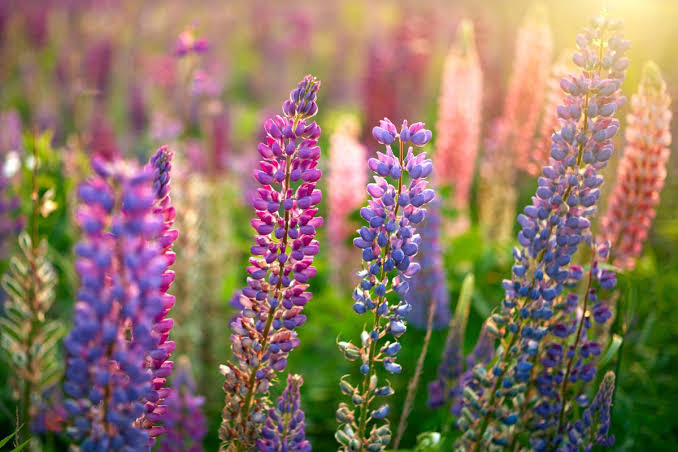
Lupine flowers are known for their striking spires of blooms and cottage-garden charm. With the right approach, learning how to grow lupine flowers successfully is easier than you might think. These hardy perennials reward gardeners with vibrant color, pollinator appeal, and long-lasting beauty.This guide shares simple, proven tricks to help lupines thrive in gardens across the United States, United Kingdom, and Canada.Why Choose Lupine Flowers?Tall, dramatic flower spikesBeautiful spring and early-summer bloomsAttract bees, butterflies, and hummingbirdsImprove soil by fixing nitrogenPerfect for cottage and perennial gardensChoose the Right Lupine VarietyCommon types include:Russell hybrids – bold colors, very popularWild lupines – native and pollinator-friendlyDwarf varieties – great for containersPick varieties suited to your local climate for best results.Best Location for LupinesSunlightFull sun to light shadeAt least 6 hours of sunlight dailySoil ConditionsWell-draining soil is essentialSlightly acidic to neutral pHAvoid heavy clay or soggy soil👉 Lupines dislike being waterlogged—good drainage is key.How to Plant Lupine Flowers SuccessfullyFrom SeedsLightly scarify seeds (nick or soak overnight)Plant seeds ¼ inch deepSpace plants 12–18 inches apartKeep soil lightly moistSeeds usually germinate in 14–21 days.From TransplantsPlant carefully to avoid disturbing rootsLupines have deep taproots and dislike transplantingWatering Tips for Healthy LupinesWater deeply but infrequentlyAllow soil to dry slightly between wateringWater at the base to avoid fungal issuesOnce established, lupines are fairly drought tolerant.Fertilizing Lupine FlowersAvoid high-nitrogen fertilizersUse compost or low-nitrogen fertilizerToo much nitrogen = lots of leaves, few flowersLupines naturally improve soil fertility on their own.Deadheading & Pruning TricksRemove spent flower spikes promptlyEncourages a second bloomPrevents excessive self-seedingAfter flowering ends, trim foliage back slightly to keep plants tidy.Supporting Tall LupinesStake taller varieties earlyPlant in sheltered locationsGroup plants together for natural supportThis prevents flower spikes from bending or breaking.Common Problems & Easy FixesYellow LeavesPoor drainage or overwateringImprove soil and reduce wateringAphidsSpray with water or use insecticidal soapPowdery MildewIncrease air circulationAvoid overhead wateringCompanion Plants for LupinesLupines pair beautifully with:DelphiniumsFoxglovesPeoniesIrisesShasta daisiesThese companions complement lupines’ height and color.Winter Care for LupinesCut back dead growth in fallMulch lightly in colder regionsAvoid heavy winter moistureMany lupines return stronger in their second year.ConclusionWith proper sunlight, well-draining soil, gentle watering, and minimal fertilizer, you can grow lupine flowers successfully with ease. These simple tricks turn lupines into a show-stopping feature in any garden—rewarding you with tall, colorful blooms year after year.Plant them once, care for them wisely, and enjoy their timeless beauty 🌸🌿