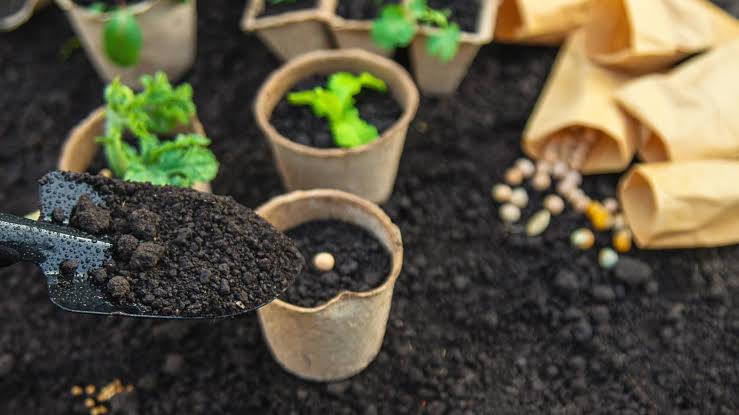
Growing plants from seeds is one of the most rewarding experiences in gardening. Whether you want to grow flowers, vegetables, or herbs, knowing how to plant seeds successfully ensures strong, healthy seedlings that thrive. With a few simple tricks and proper care, even beginners can enjoy a flourishing garden.1. Choose the Right SeedsSuccess starts with selecting seeds suited to your climate, season, and growing conditions.Check the planting season: Some seeds germinate best in spring, while others do well in summer or fall.Consider your climate: Select varieties suited to your local weather conditions.Start easy: Beginners should start with easy-to-grow seeds like lettuce, radish, sunflower, or basil.2. Use Good Quality SoilSeeds need a light, well-draining soil to germinate successfully.Seed-starting mix: Use a fine, sterile seed-starting mix rather than garden soil.Avoid compacted soil: Compacted soil prevents roots from growing and seeds from sprouting.Moist but not soggy: Keep the soil evenly moist to encourage germination.3. Plant at the Correct DepthPlanting seeds at the right depth is crucial for germination.Rule of thumb: Plant seeds at a depth twice their size.Tiny seeds: Sprinkle on the surface and lightly press into the soil.Larger seeds: Bury slightly deeper and cover gently with soil.4. Provide Adequate LightLight is essential for strong seedlings.Sunlight: Place seed trays in a bright windowsill with 12–16 hours of light daily.Grow lights: If natural light is limited, use fluorescent or LED grow lights.Avoid direct harsh sunlight: Intense sunlight can dry out young seedlings.5. Maintain Proper Moisture and TemperatureSeeds need warmth and consistent moisture to sprout.Water gently: Use a spray bottle to avoid washing away seeds.Keep soil warm: Most seeds germinate best between 65–75°F (18–24°C).Covering: Use a clear plastic cover or plastic wrap to retain moisture until seeds sprout.6. Thin SeedlingsOnce seedlings emerge, thinning is necessary for healthy growth.Spacing: Follow the seed packet instructions for spacing.Select strongest: Remove weaker seedlings so the strongest ones thrive.Handle carefully: Use scissors or pinch gently to avoid disturbing roots.7. Harden Off Before TransplantingBefore moving seedlings outdoors, they need to adjust gradually.Start slow: Place seedlings outside for a few hours daily, gradually increasing exposure.Protect from extremes: Avoid direct harsh sun, strong wind, or cold temperatures initially.Transition safely: After 7–10 days, seedlings are ready for permanent planting.8. Keep Pests AwayProtect young seedlings from pests that can hinder growth.Use natural barriers: Fine mesh or row covers keep insects away.Check regularly: Inspect leaves and stems for early signs of pests.Avoid overwatering: Damp conditions attract fungus and pests.Simple Tricks for Extra SuccessLabel everything: Mark seed trays with names and planting dates.Use warm water: Slightly warm water encourages quicker germination.Rotate trays: Ensure even light exposure to prevent leggy seedlings.Use a humidity dome: Keeps seeds moist and warm for faster sprouting.Avoid fertilizing too early: Wait until seedlings develop true leaves.ConclusionLearning how to plant seeds successfully doesn’t have to be complicated. By choosing the right seeds, planting them at the correct depth, providing light and warmth, and caring for seedlings properly, anyone can grow healthy, thriving plants from scratch. Using these simple tricks ensures your seeds sprout successfully and become strong plants that will brighten your garden, balcony, or kitchen.Start small, stay consistent, and enjoy the satisfaction of growing plants from seeds—it’s the foundation of a flourishing garden!