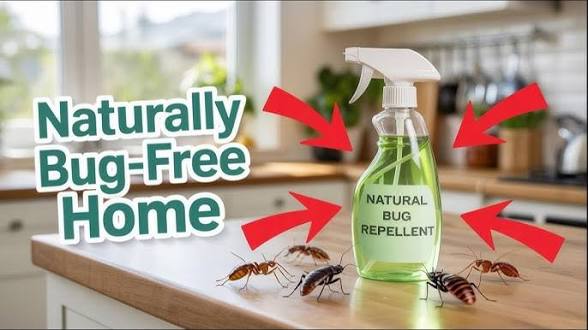
Household pests like fleas, ants, and cockroaches are more than just an annoyance — they can affect comfort, hygiene, and even health. Many commercial insecticides promise fast results, but they often contain harsh chemicals that may not be ideal for homes with children, pets, or people sensitive to strong fumes. That’s why more households are turning toward natural alternatives that are safer, budget-friendly, and environmentally responsible.One practical solution is a simple natural spray against fleas, ants, and cockroaches, made with everyday ingredients you may already have at home. This type of DIY pest control approach focuses on repelling insects, disrupting their scent trails, and making your environment less attractive to infestations — all without heavy toxins.In this article, you’ll learn how natural sprays work, how to make and use them effectively, and what additional steps can help keep your home pest-free for the long term.Why Choose a Natural Spray for Pest Control?🌱 Safer for Families and PetsMany natural sprays rely on ingredients like vinegar, essential oils, and mild soaps instead of synthetic pesticides. While precautions are still necessary, these ingredients generally produce fewer harmful fumes and residues compared to conventional chemical sprays.💰 Cost-Effective and AccessibleStore-bought pest treatments can be expensive, especially for recurring issues. A simple homemade spray can be made with inexpensive ingredients, making it accessible for households on any budget.🌎 Environmentally FriendlyNatural pest control reduces the amount of chemical runoff entering water systems and soil. By choosing eco-conscious solutions, homeowners help protect local ecosystems while maintaining a clean home.🧼 Multi-Purpose UseA well-designed natural spray can work against multiple insects — including fleas, ants, and cockroaches — making it a versatile addition to your cleaning routine.How Natural Sprays Help Repel Fleas, Ants, and Cockroaches🐜 Disrupting Scent TrailsAnts rely heavily on pheromone trails to guide other ants to food sources. Ingredients like vinegar and citrus oils help remove these trails, preventing colonies from returning to the same location.🪳 Deterring Roaches with Strong ScentsCockroaches dislike certain strong aromas such as peppermint, eucalyptus, and tea tree oil. Natural sprays use these scents to make areas less appealing to roaches and discourage hiding spots.🐕 Reducing Flea Presence in the HomeWhile natural sprays are not a replacement for veterinary flea treatments, they can help reduce flea activity in carpets, furniture seams, and bedding by disrupting their environment.A Simple Natural Spray RecipeIngredients1 cup white vinegar1 cup water10–15 drops peppermint essential oil10–15 drops tea tree or eucalyptus essential oil1 teaspoon mild liquid dish soapClean spray bottleInstructionsCombine vinegar and water in a spray bottle.Add essential oils for natural insect-repelling properties.Add liquid soap to help the mixture adhere to surfaces.Shake well before each use.This basic formula creates a simple natural spray against fleas, ants, and cockroaches that is easy to prepare in minutes.How to Use the Spray Effectively🪳 For CockroachesSpray behind appliances, under sinks, and along baseboards.Focus on warm, dark areas where roaches tend to hide.Reapply regularly to maintain scent deterrence.🐜 For AntsApply directly along ant trails, windowsills, and door frames.Wipe surfaces afterward to eliminate scent markers.Repeat daily during active infestations.🐜🐕 For Fleas (Home Surfaces Only)Lightly mist carpets, pet bedding, and upholstery seams.Allow surfaces to dry completely before pets return.Vacuum regularly to remove eggs and larvae.Important: Do not spray directly on pets unless approved by a veterinarian.Practical Tips for Better Results🧹 Maintain a Clean EnvironmentNatural sprays work best when combined with good housekeeping habits. Regular cleaning removes food crumbs and moisture sources that attract pests.🚪 Seal Entry PointsClose gaps around windows, doors, and baseboards to prevent insects from entering your home in the first place.🗑️ Manage Food StorageKeep food sealed and dispose of garbage frequently. Ants and cockroaches are often drawn to accessible food sources.🧺 Wash Pet Bedding FrequentlyFor flea prevention, wash bedding in hot water weekly and vacuum floors regularly.🔄 Consistency Is KeyNatural solutions often require more frequent application than chemical pesticides. Regular use ensures ongoing effectiveness.Additional Natural Ingredients You Can Try🍋 Lemon or Citrus OilsCitrus scents can help repel ants and leave surfaces smelling fresh.🌿 Lavender OilKnown for its calming aroma, lavender also deters certain insects.🧂 Baking Soda & Sugar Mix (For Ants)A small mix placed near ant trails can help reduce activity, though it should be used carefully around pets.🌿 Bay LeavesPlacing bay leaves in cabinets and pantry areas can discourage cockroaches naturally.Safety ConsiderationsEven natural products require responsible use:Test sprays on a small area first to avoid surface damage.Keep essential oils away from cats and small children.Avoid direct contact with eyes and sensitive skin.Store homemade sprays clearly labeled and out of reach.Remember that severe infestations may require professional pest control services for effective elimination.When Natural Sprays May Not Be EnoughNatural sprays are excellent for prevention and mild infestations, but heavy pest problems might require stronger interventions. Signs that you may need additional help include:Large numbers of visible cockroachesPersistent flea problems despite cleaningAnt infestations returning repeatedlyIn such cases, combining natural methods with professional advice can provide better long-term results.ConclusionA simple natural spray against fleas, ants, and cockroaches offers a safe, eco-friendly way to manage common household pests without relying heavily on chemical pesticides. By combining natural ingredients like vinegar, essential oils, and mild soap, you can create a versatile spray that helps repel insects and maintain a cleaner living environment.However, the real key to success lies in consistency — regular cleaning, sealing entry points, and applying the spray routinely all contribute to a pest-resistant home. While natural solutions may require a little more patience, they provide peace of mind for families seeking healthier, more sustainable alternatives.With a bit of effort and the right habits, you can keep your living space comfortable, fresh, and far less welcoming to unwanted pests — naturally.