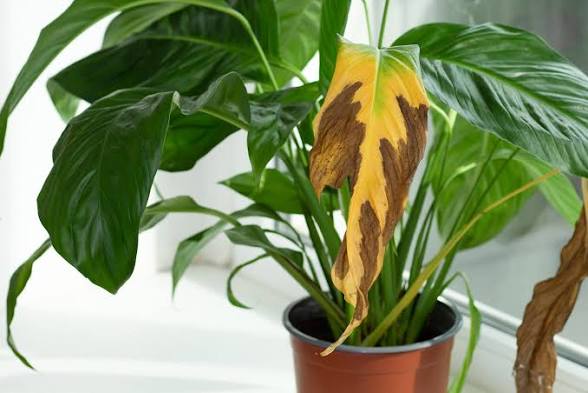
Few houseplants are as elegant, forgiving, and rewarding as the peace lily. Known for its glossy green leaves and graceful white blooms, this popular indoor plant is loved by beginners and experienced gardeners alike. Native to tropical regions of Central and South America, the peace lily adapts beautifully to indoor environments across the United States, United Kingdom, and Canada.In this comprehensive guide to Peace Lily Care —, you’ll learn exactly how to keep your plant healthy, vibrant, and blooming year after year. From light and watering needs to common problems and expert tips, this article covers everything you need to know about caring for peace lilies successfully.Understanding the Peace Lily PlantWhat Is a Peace Lily?Despite its name, the peace lily (Spathiphyllum) is not a true lily. It belongs to the Araceae family and is prized for its air-purifying qualities and low-maintenance nature. The white “flower” is actually a spathe that surrounds a central spike called a spadix.Peace lilies are often chosen as indoor plants because they tolerate low light, signal when they need water, and add a calm, modern aesthetic to any space.Popular Peace Lily VarietiesThere are many varieties to consider when practicing Peace Lily Care —, including:Spathiphyllum wallisii – Compact and ideal for small roomsMauna Loa Supreme – Larger leaves and impressive bloomsSensation – One of the biggest peace lilies availableEach variety shares similar care requirements, making them easy to grow in most homes.Light Requirements for Peace Lily Care —Best Lighting ConditionsPeace lilies thrive in bright, indirect light, but they are also known for tolerating low-light conditions. This makes them ideal for offices, bedrooms, and living rooms.Best: Filtered light near a windowAcceptable: Low light (fewer blooms)Avoid: Direct sunlight, which can scorch the leavesIf your peace lily isn’t flowering, insufficient light is often the reason.Adjusting Light by SeasonIn winter months in the UK and Canada, move your plant closer to a light source. During bright summer months, especially in the US, keep it away from harsh afternoon sun.Watering Peace Lilies the Right WayHow Often Should You Water?One of the most important aspects of Peace Lily Care — is proper watering. Peace lilies like consistently moist soil but dislike soggy roots.Water when the top inch of soil feels dryUse room-temperature waterAllow excess water to drain fullyA peace lily will dramatically droop when thirsty, but it usually recovers quickly after watering.Signs of Overwatering and UnderwateringUnderwatering signs:Drooping leavesDry soilCrispy leaf tipsOverwatering signs:Yellow leavesMushy stemsRoot rotFinding the right balance is key to healthy peace lily maintenance.Soil and Potting EssentialsBest Soil for Peace Lily Care —Use a well-draining, peat-based potting mix. Peace lilies prefer soil that retains some moisture but doesn’t stay waterlogged.A good mix often includes:Peat moss or coco coirPerlite or sandOrganic compostRepotting Peace LiliesRepot every 1–2 years or when roots begin to crowd the pot. Spring is the best time to repot, giving the plant a fresh start for the growing season.Choose a pot only one size larger to avoid excess moisture retention.Temperature and Humidity NeedsIdeal Temperature RangePeace lilies are tropical plants and prefer temperatures between 65–80°F (18–27°C). Avoid placing them near cold drafts, heaters, or air conditioners.Humidity RequirementsHumidity plays a big role in Peace Lily Care —. These plants love moisture in the air.Ways to increase humidity:Mist the leaves weeklyUse a pebble tray with waterPlace a humidifier nearbyDry air can cause brown leaf tips, especially during winter in colder climates.Fertilizing for Healthy GrowthWhen and How to FertilizePeace lilies are light feeders. Too much fertilizer can do more harm than good.Use a balanced liquid houseplant fertilizerFeed every 6–8 weeks during spring and summerAvoid fertilizing in fall and winterDilute fertilizer to half strength for best results.Signs of Over-FertilizationBrown leaf tipsWhite residue on soilWilting despite proper wateringIf this happens, flush the soil with clean water.Common Peace Lily Problems and SolutionsYellow LeavesOften caused by overwatering, poor drainage, or low light. Adjust watering habits and check soil moisture.Brown Leaf TipsUsually a sign of low humidity, fluoride in tap water, or inconsistent watering. Using filtered water can help.No FlowersIf your plant looks healthy but doesn’t bloom, it likely needs more light or mild fertilization.Understanding these issues is essential for successful Peace Lily Care — and long-term plant health.Practical Tips for Thriving Peace LiliesRotate the plant every few weeks for even growthWipe leaves with a damp cloth to remove dustUse filtered or distilled water when possibleKeep away from pets, as peace lilies are mildly toxicTrim spent blooms to encourage new growthThese simple habits make a noticeable difference in peace lily maintenance.Benefits of Growing Peace Lilies IndoorsPeace lilies are more than just beautiful. They offer several benefits:Improve indoor air qualityReduce stress and promote calmRequire minimal daily careAdapt well to indoor environmentsFor homes and offices in the US, UK, and Canada, peace lilies are a top choice for effortless greenery.ConclusionMastering Peace Lily Care — is easier than you might think. With the right balance of light, water, humidity, and occasional feeding, this elegant houseplant will reward you with lush foliage and stunning white blooms. Its adaptability and clear signals make it ideal for both beginners and seasoned plant lovers.Whether you’re decorating a modern apartment, brightening an office, or adding life to a cozy home, peace lilies remain one of the most reliable and beautiful indoor plants. By following the guidance in this article, you’ll enjoy a healthy, thriving peace lily for years to come.