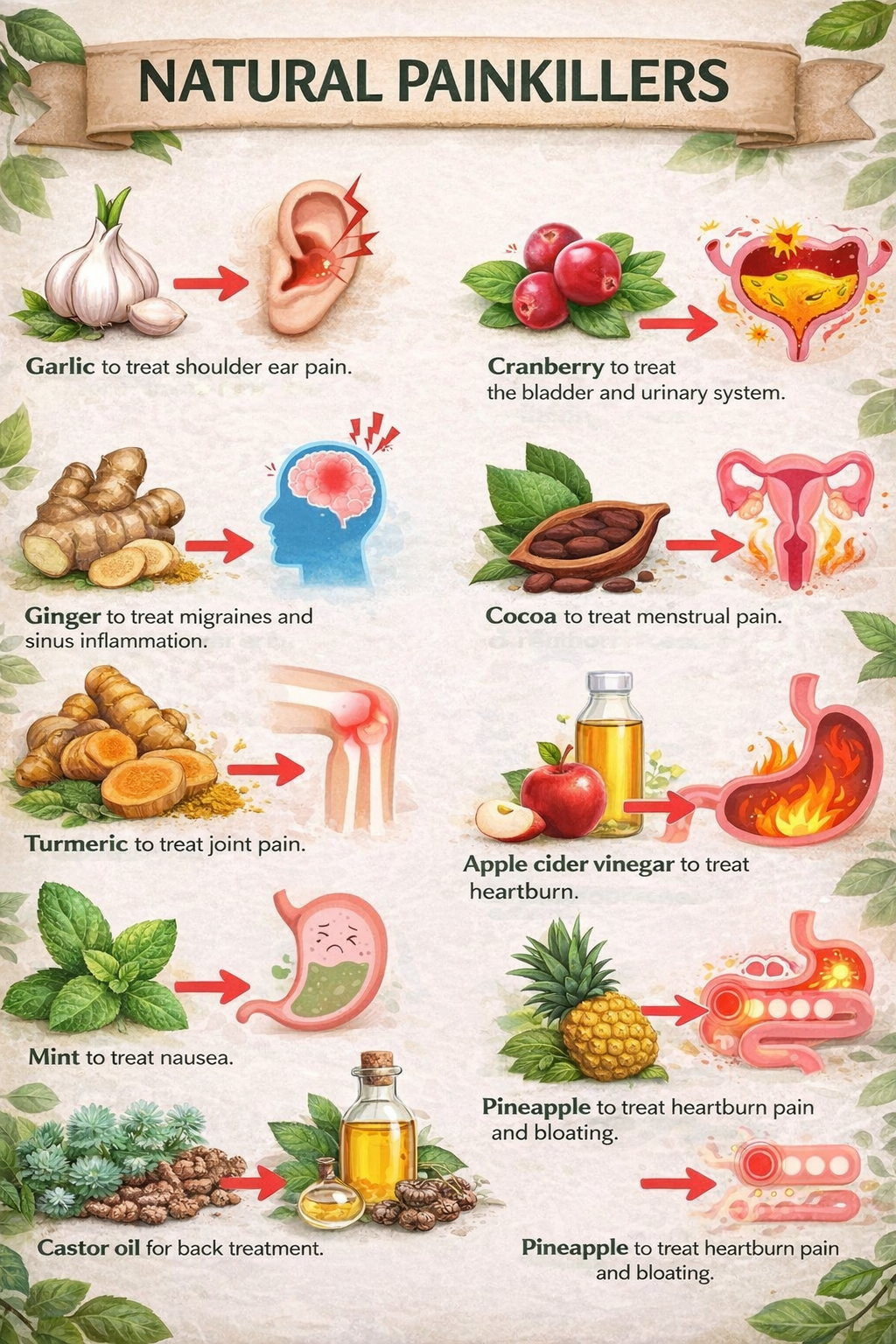
Natural Healing: Relieving Pain with Plants, No Chemicals Needed 🌿IntroductionFor centuries—long before modern pharmacies—people turned to nature for healing. Today, as many seek gentler, more holistic ways to manage discomfort, natural healing with plants is making a strong comeback. From sore muscles and headaches to joint pain and inflammation, medicinal plants offer effective relief without synthetic chemicals or harsh side effects.Natural Healing: Relieving Pain with Plants, No Chemicals Needed is not about rejecting modern medicine—it’s about rediscovering plant-based solutions that work with the body, not against it. Let’s explore how pain-relieving plants work, which ones are most effective, and how to use them safely at home.Why Choose Plant-Based Pain Relief?Gentle on the BodyMany pharmaceutical painkillers can irritate the stomach, strain the liver, or cause dependency. Medicinal plants, when used correctly, tend to act more gently while still addressing the root cause of pain—often inflammation.Time-Tested RemediesHerbal pain relief isn’t a trend; it’s tradition. Cultures around the world have relied on healing plants for thousands of years, passing down knowledge that modern science now supports.Whole-Body BenefitsUnlike single-purpose drugs, plants often provide multiple benefits—pain relief, relaxation, improved circulation, and immune support—all at once.How Plants Help Relieve Pain NaturallyPlants relieve pain through several natural mechanisms:Anti-inflammatory compounds reduce swelling and pressure on nervesAnalgesic properties dull pain signalsMuscle-relaxing effects ease tension and spasmsImproved circulation speeds healingThis is why natural healing focuses not just on symptoms, but on restoring balance.Powerful Pain-Relieving Plants You Can Use at Home🌿 Willow Bark – Nature’s AspirinTraditionally used for headaches, back pain, and joint discomfort, willow bark contains salicin, a natural pain-relieving compound.Best for:HeadachesArthritisLower back painHow to use:Tea or capsules (avoid if allergic to aspirin)🌿 Turmeric – The Inflammation FighterTurmeric’s active compound, curcumin, is widely studied for its anti-inflammatory and pain-relieving effects.Best for:Joint painArthritisMuscle sorenessHow to use:Golden milk, teas, or capsules (combine with black pepper for absorption)🌿 Ginger – Fast Relief for AchesGinger improves circulation and reduces inflammation, making it excellent for pain linked to stiffness or poor blood flow.Best for:Muscle painMenstrual crampsNeck and shoulder tensionHow to use:Fresh ginger tea, compresses, or added to meals🌿 Arnica – External Pain ReliefArnica is a go-to plant for bruises, sprains, and sore muscles—but for external use only.Best for:Sports injuriesBruisingSwellingHow to use:Creams, gels, or oils applied to the skin🌿 Peppermint – Cooling and CalmingPeppermint contains menthol, which creates a cooling sensation and relaxes muscles.Best for:Tension headachesMuscle painNerve discomfortHow to use:Peppermint oil (diluted), teas, or topical balms🌿 Lavender – Pain Relief Through RelaxationPain often worsens with stress. Lavender helps by calming the nervous system while easing inflammation.Best for:Stress-related painMigrainesMuscle tensionHow to use:Essential oil, teas, or bathsPractical Ways to Use Healing Plants SafelyHerbal TeasOne of the simplest and safest methods. Steep fresh or dried herbs in hot water for 10–15 minutes.Topical ApplicationsBalms, oils, and compresses deliver relief directly to the painful area—ideal for joints and muscles.Herbal BathsAdding herbs like lavender or ginger to bathwater relaxes muscles and soothes the entire body.Capsules and TincturesMore concentrated forms—best used with guidance, especially for long-term use.Tips for Effective Natural Pain Relief 🌱Be consistent—herbal remedies often work best over timeStart with small amountsUse high-quality, organic herbs when possibleCombine remedies with rest, hydration, and gentle movementListen to your body—natural doesn’t mean risk-freeWhen to Be CautiousWhile Natural Healing: Relieving Pain with Plants, No Chemicals Needed is generally safe, caution is important:Pregnant or breastfeeding individuals should consult a professionalSome herbs interact with medicationsAllergies can occurChronic or severe pain should always be medically evaluatedNatural remedies are supportive tools—not replacements for urgent care.Why Natural Healing Is Gaining Popularity AgainModern lifestyles often create chronic inflammation—from stress, poor posture, processed food, and lack of movement. Plants address these issues holistically, not just symptom-by-symptom.People are rediscovering that relieving pain with plants is affordable, empowering, and deeply connected to sustainable living.ConclusionNatural Healing: Relieving Pain with Plants, No Chemicals Needed 🌿 reminds us that relief doesn’t always come in a pill bottle. With the right knowledge and respect for nature, plants can ease pain, calm the body, and support long-term wellness.By incorporating medicinal herbs into your daily routine—whether through teas, oils, or simple home remedies—you tap into a healing tradition that’s gentle, effective, and beautifully natural.