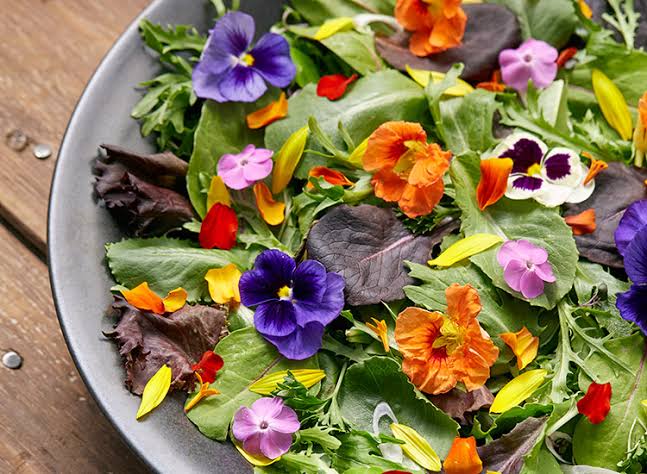
Flowers aren’t just beautiful—they can be delicious too. From ancient cuisines to modern fine dining, edible flowers have been used to add color, flavor, and elegance to meals. Today, they’re making a strong comeback in home kitchens, restaurants, and social media–worthy dishes. If you’re looking to elevate your cooking, impress guests, or simply experiment with natural ingredients, these must-try edible flowers are the perfect place to start.In this guide, you’ll discover which edible flowers are safe to eat, how they taste, how to use them in everyday recipes, and practical tips for enjoying them safely. Whether you’re in the United States, United Kingdom, or Canada, this article will help you confidently bring floral flavors to your table.Why Edible Flowers Are TrendingEdible flowers are loved for more than just their looks. They offer:Unique and subtle flavorsNatural, vibrant colorsNutritional benefitsA gourmet touch to simple dishesFrom salads and desserts to drinks and savory meals, must-try edible flowers can completely transform how your food looks and tastes.H2: Most Popular Must-Try Edible FlowersH3: RoseFlavor: Sweet, floral, slightly fruityBest Uses: Desserts, jams, syrups, teasRose petals are one of the most well-known edible flowers. They pair beautifully with honey, sugar, and citrus, making them perfect for cakes, Turkish delights, and infused beverages.H3: LavenderFlavor: Lightly sweet with herbal notesBest Uses: Baking, drinks, syrupsLavender is powerful, so a little goes a long way. It’s commonly used in cookies, cakes, lemonade, and even ice cream. This flower is a true must-try for floral desserts.H3: NasturtiumFlavor: Peppery, similar to arugulaBest Uses: Salads, savory dishes, garnishesNasturtium flowers add a bold kick and bright color to salads and savory plates. Both the petals and leaves are edible and rich in vitamin C.H3: Calendula (Pot Marigold)Flavor: Mild, slightly pepperyBest Uses: Rice dishes, soups, butterOften called “poor man’s saffron,” calendula adds a golden hue and subtle flavor. It’s one of the most versatile edible flowers for everyday cooking.H3: ChamomileFlavor: Apple-like, sweet, calmingBest Uses: Teas, desserts, syrupsChamomile flowers are widely known for tea, but they also work beautifully in custards, honey infusions, and light desserts.H3: HibiscusFlavor: Tart, cranberry-likeBest Uses: Teas, drinks, jamsHibiscus is bold in both color and flavor. It’s popular in teas and refreshing drinks and adds a vibrant red hue to recipes.H3: VioletFlavor: Sweet and delicateBest Uses: Candied flowers, cakes, saladsViolets are classic edible flowers used in European desserts. Candied violets are especially popular for cake decoration.H2: How to Use Edible Flowers in CookingH3: Fresh UsesToss into salads for color and flavorUse as garnishes on cakes and dessertsAdd to cheese boards or appetizersFresh edible flowers instantly elevate presentation.H3: Infused UsesFlower-infused oils and vinegarsFloral syrups for drinks and dessertsHoney infused with lavender or roseInfusions are an easy way to enjoy floral flavor without overpowering a dish.H3: Dried Flower UsesBaking (cookies, cakes, bread)Tea blendsSpice mixesDrying flowers concentrates their aroma and extends shelf life.H2: Must-Try Edible Flowers for DrinksEdible flowers shine in beverages:Lavender lemonadeRose milk or rose teaHibiscus iced teaChamomile honey teaThey add aroma, flavor, and visual appeal, making drinks feel extra special.H2: Health Benefits of Edible FlowersMany edible flowers offer natural benefits:Antioxidants: Hibiscus, roseCalming effects: Chamomile, lavenderVitamins: Nasturtium, calendulaWhile not a replacement for medicine, edible flowers can support a balanced, mindful diet.H2: Safety Tips When Eating FlowersNot all flowers are edible. Follow these essential rules:Only eat flowers labeled or known as edibleAvoid flowers from florists (often treated with chemicals)Never eat flowers from roadsides or unknown gardensWash flowers gently before useSafety is key when exploring must-try edible flowers.H2: Growing Your Own Edible FlowersGrowing edible flowers at home is rewarding and cost-effective.Best Easy-to-Grow OptionsNasturtiumsCalendulaChamomileVioletsUse organic soil, avoid pesticides, and harvest flowers in the morning for best flavor.H2: Common Mistakes to AvoidUsing too many petals (overpowers flavor)Mixing incompatible flavorsAssuming all flowers are safe to eatIgnoring freshnessBalance and moderation are essential when cooking with flowers.Why You Should Try Edible Flowers TodayEdible flowers bring creativity, beauty, and a sense of elegance to everyday meals. They connect cooking with nature and turn simple recipes into memorable experiences.If you’re looking to explore new flavors, impress guests, or add visual magic to your dishes, these must-try edible flowers are an easy and inspiring place to begin.ConclusionFrom sweet roses and calming chamomile to bold nasturtiums and vibrant hibiscus, edible flowers offer endless culinary possibilities. They’re beautiful, flavorful, and surprisingly easy to use when handled correctly.Now that you know which must-try edible flowers to explore and how to use them safely, it’s time to experiment. Start small, trust your taste buds, and let flowers bring a fresh, creative bloom to your kitchen. 🌼✨