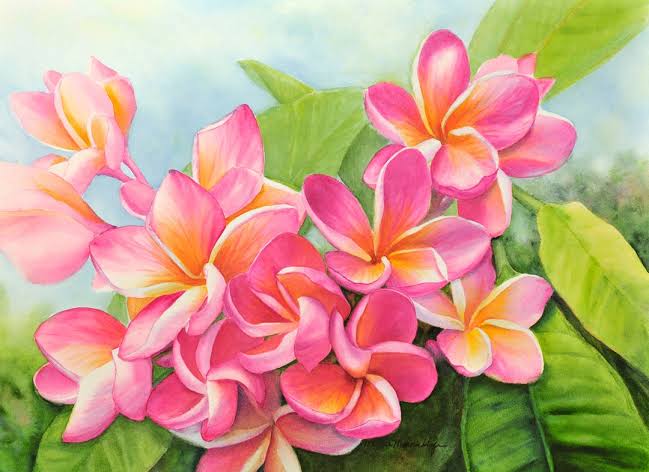
Plumeria, also known as frangipani, is one of the most loved tropical flowering plants, famous for its fragrant, colorful blooms and elegant form. Whether you’re growing plumeria in a backyard, container, or patio, learning the right techniques will help you enjoy abundant flowers year after year. This guide will help you master the art of plumeria flowers with simple, proven care methods suitable for gardeners in the United States, United Kingdom, and Canada.IntroductionPlumeria flowers symbolize beauty, positivity, and tropical charm. While they may look exotic and delicate, plumeria plants are surprisingly hardy when given the right conditions. The key to success lies in understanding their natural growth habits and mimicking a warm, sunny environment.Once you master watering, sunlight, pruning, and feeding, plumeria will reward you with clusters of long-lasting, fragrant blooms.Understanding Plumeria PlantsWhat Makes Plumeria Special?Highly fragrant flowersLong blooming season (spring through fall in warm climates)Easy propagation from cuttingsIdeal for containers and small spacesPlumeria thrives best when treated like a sun-loving, drought-tolerant plant.Choosing the Right Plumeria VarietyPopular plumeria types include:Plumeria rubra – most common, vibrant colorsPlumeria alba – white flowers with yellow centersPlumeria obtusa – glossy leaves and strong fragranceChoose varieties based on your climate and available space.Sunlight: The Secret to BloomingPlumeria flowers require full sun to bloom well.Sun Requirements6–8 hours of direct sunlight dailySouth-facing locations are idealOutdoor placement during warm months is best☀️ Tip: More sun = more flowers.Soil and Potting EssentialsPlumeria hates wet roots.Best Soil MixWell-draining cactus or succulent soilMix in perlite or coarse sandAvoid heavy garden soilContainer TipsUse pots with drainage holesClay pots help prevent overwateringWatering the Right WayOverwatering is the most common mistake.Watering GuidelinesWater deeply, then allow soil to dryReduce watering in cooler monthsStop watering during dormancy (winter)💧 Golden rule: When in doubt, wait another day before watering.Feeding for Abundant FlowersPlumeria are heavy bloomers and benefit from proper feeding.Best FertilizerHigh phosphorus fertilizer (e.g., 10-30-10)Apply every 2–3 weeks during growing seasonAvoid high nitrogen fertilizers🌱 Tip: Too much nitrogen = leaves, not flowers.Pruning for Shape and More BloomsPruning encourages branching, which means more flowers.How to PrunePrune in early springCut just above leaf nodesUse clean, sharp tools✂️ Each cut can produce 2–3 new flowering branches.Propagation: Grow More PlumeriaPlumeria is one of the easiest plants to propagate.From CuttingsTake a 12–18 inch cuttingLet it dry for 7–10 daysPlant in dry, well-draining soilWater lightly after roots form🌸 Bonus: A propagated plant is genetically identical to the parent.Winter Care (Cold Climate Guide)In cooler climates, plumeria goes dormant.Winter TipsBring indoors before frostStore in a bright, cool areaStop watering until spring🍂 Leaf drop in winter is normal.Common Problems and SolutionsProblem Cause SolutionNo blooms Not enough sun Move to sunnier locationYellow leaves Overwatering Improve drainageSoft stem Root rot Reduce watering immediatelyPests Aphids, spider mites Neem oil sprayPro Tips to Master Plumeria FlowersRotate pots for even growthAvoid repotting too oftenUse rainwater when possibleBe patient—plumeria blooms improve with ageConclusionTo master the art of plumeria flowers, focus on sunlight, drainage, and balance. Plumeria thrives when treated like a tropical plant that loves sun and dislikes excess water. With proper feeding, careful pruning, and winter protection, your plumeria will reward you with breathtaking blooms and intoxicating fragrance year after year.Whether grown in a garden or container, plumeria brings tropical beauty and elegance to any space. Once you understand its needs, caring for plumeria becomes simple—and incredibly rewarding.