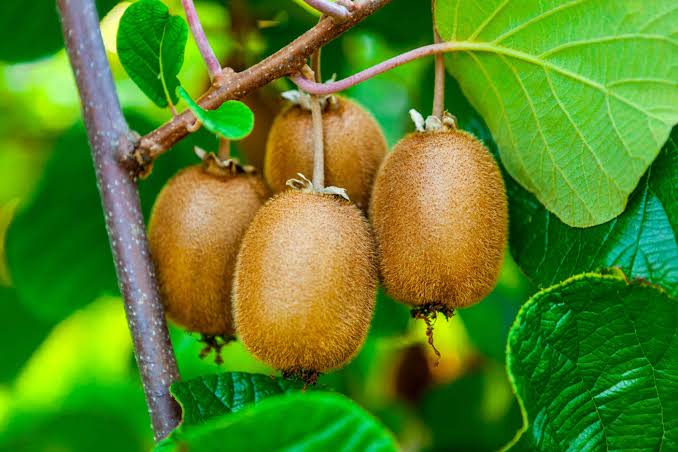
Kiwi fruit may look exotic, but growing it at home is much easier than many people think. With its fuzzy skin, bright green flesh, and tangy-sweet flavor, kiwi is not only delicious but also packed with vitamin C and antioxidants. If you’ve ever wondered whether you can grow kiwi in your own garden, the answer is yes—with the right guidance.This guide, “Make it easy: Kiwi plant how to grow!”, is designed to simplify the process for beginners and home gardeners alike. Whether you live in the United States, United Kingdom, or Canada, you’ll learn how to choose the right kiwi variety, plant it correctly, care for it properly, and enjoy a healthy harvest. With practical tips and easy-to-follow steps, growing kiwi can become a rewarding part of your gardening journey.Understanding the Kiwi PlantBefore you start planting, it’s important to understand what a kiwi plant needs to thrive.What Is a Kiwi Plant?Kiwi plants are vigorous, woody vines that can grow up to 20–30 feet long. They require support, regular pruning, and a bit of patience—but the reward is worth it.Types of Kiwi PlantsThere are two main types of kiwi commonly grown at home:Hardy Kiwi (Actinidia arguta)Smaller, smooth-skinned fruitExtremely cold-tolerantIdeal for Canada, northern US, and cooler UK regionsFuzzy Kiwi (Actinidia deliciosa)Larger fruit like store-bought kiwiNeeds warmer climatesBest for southern US and mild UK areasChoosing the right variety is the first step to make it easy: kiwi plant how to grow!Male vs Female Kiwi PlantsKiwi plants are usually dioecious, meaning male and female flowers grow on separate plants.Why This MattersYou need one male plant for pollinationOne male can pollinate 6–8 female plantsOnly female plants produce fruitSome self-fertile varieties exist, but yields are often lower.Best Climate for Growing KiwiKiwi plants thrive in specific conditions, but many regions can support them.Temperature RequirementsHardy kiwi: survives down to -25°F (-32°C)Fuzzy kiwi: prefers mild winters and warm summersSunlight NeedsKiwi plants need:Full sun (6–8 hours daily)Light afternoon shade in very hot areasProper placement helps make it easy: kiwi plant how to grow!Soil Requirements for Kiwi PlantsHealthy soil is essential for strong vines and fruit production.Ideal Soil ConditionsWell-draining soilSlightly acidic (pH 5.5–6.5)Rich in organic matterImproving Soil QualityAdd compost or aged manureAvoid heavy clay soils unless amendedEnsure good drainage to prevent root rotMake It Easy: Kiwi Plant How to Grow! (Step-by-Step)Step 1: Choose the Right LocationSelect a spot with:Full sunProtection from strong windsSpace for vines to spreadKiwi plants grow fast and need room.Step 2: Planting the Kiwi VinePlant in spring after frost risk passesDig a hole twice as wide as the root ballPlace the plant at the same depth it grew in the nurseryWater thoroughly after plantingSpacing:10–15 feet between plantsStep 3: Provide Strong SupportKiwi vines must climb.Best Support OptionsTrellis systemsPergolasStrong fencesWithout support, vines can break under their own weight.Step 4: Watering Kiwi PlantsConsistent watering is key.Keep soil evenly moistAvoid waterloggingIncrease watering during dry periodsYoung plants need extra care during their first year.Step 5: Fertilizing for GrowthFeed kiwi plants regularly.Fertilizer TipsUse balanced fertilizer in early springAvoid excessive nitrogenAdd compost annuallyProper feeding helps flowering and fruit development.Pruning Kiwi Plants for SuccessPruning is essential and often overlooked.Why Pruning MattersControls vine growthImproves airflowEncourages fruit productionWhen to PruneWinter: major pruning while dormantSummer: light pruning to manage growthGood pruning habits truly make it easy: kiwi plant how to grow!Flowering and PollinationKiwi plants typically flower in late spring.Pollination TipsBees do most of the work naturallyHand-pollination can improve yieldsEnsure male plants bloom at the same time as femalesWithout proper pollination, fruit won’t form.How Long Does Kiwi Take to Fruit?Patience is important when growing kiwi.First fruit: 3–5 years after plantingFull production: 7–8 yearsOnce established, plants can produce fruit for decades.Harvesting Kiwi FruitWhen to HarvestHarvest when fruit is firm but full-sizedSugar content increases after pickingKiwi ripens off the vine, similar to bananas.How to Ripen Kiwi at HomeStore at room temperaturePlace near apples or bananas to speed ripeningCommon Problems and SolutionsPestsAphidsSpider mitesScale insectsUse organic insecticidal soap if needed.DiseasesRoot rot (from poor drainage)Leaf spotsPrevent issues with proper spacing and airflow.Growing Kiwi in ContainersYes, kiwi can grow in containers with care.Container TipsLarge pot (at least 20 gallons)Strong support structureRegular watering and feedingHardy kiwi is better suited for container growing.Practical Tips to Make Kiwi Growing EasyStart with young nursery plantsLabel male and female plantsMulch to retain moistureProtect young vines from frostBe patient—results improve each yearThese tips truly make it easy: kiwi plant how to grow!Is Growing Kiwi Worth It?Absolutely. While kiwi plants require space and patience, they offer:Long-term fruit productionBeautiful, leafy vinesUnique homegrown harvestFew fruits are as rewarding to grow.Kiwi Growing in the US, UK, and CanadaKiwi adapts well across regions:US: Hardy kiwi in colder states, fuzzy kiwi in warmer zonesUK: Hardy kiwi performs well with shelterCanada: Hardy kiwi is the best optionChoosing climate-appropriate varieties ensures success.ConclusionGrowing kiwi at home doesn’t have to be complicated. With the right variety, proper planting, and consistent care, anyone can enjoy this nutritious fruit straight from their garden. This guide, “Make it easy: Kiwi plant how to grow!”, shows that with a little planning and patience, kiwi vines can thrive for decades.From selecting male and female plants to pruning, watering, and harvesting, every step becomes manageable when broken down simply. Whether you’re gardening in the United States, United Kingdom, or Canada, kiwi plants offer a unique and rewarding experience. Start small, follow these tips, and soon you’ll be enjoying homegrown kiwi—fresh, flavorful, and grown by you. 🥝🌱