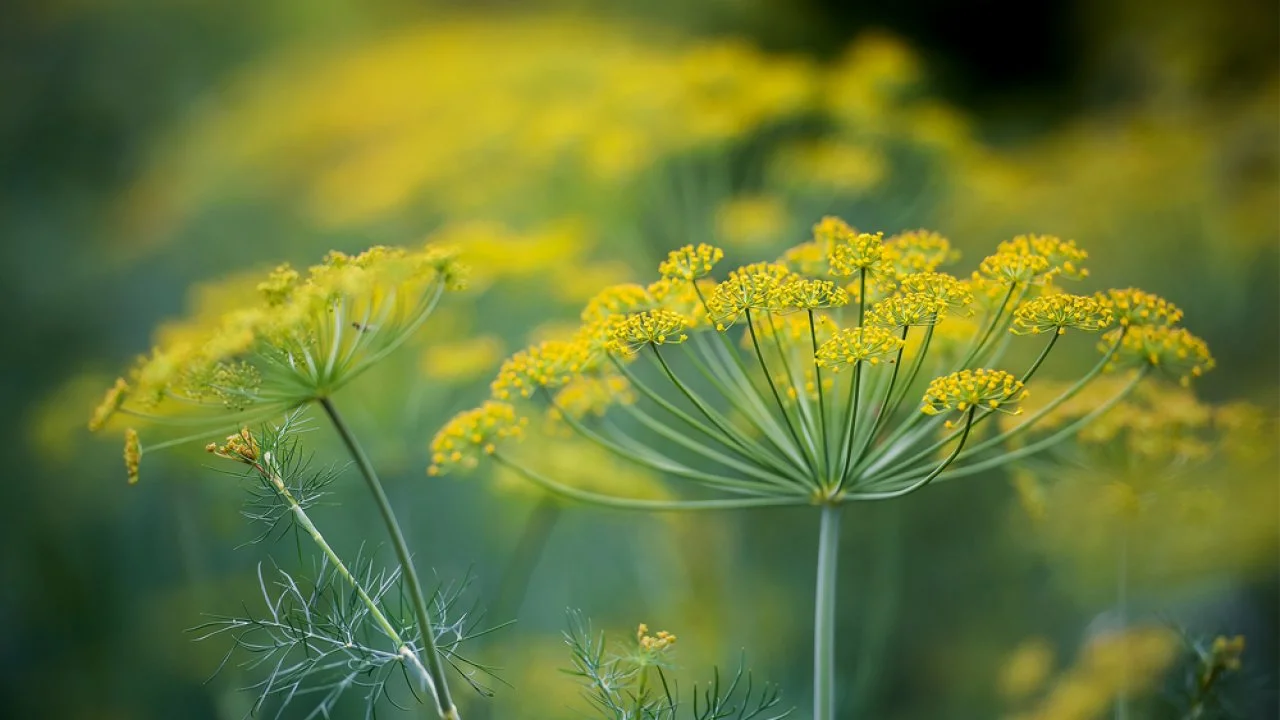
Dill is a fast-growing, aromatic herb loved for its feathery leaves and flavorful seeds. Whether you want fresh dill for pickles, salads, or cooking, learning dill plant how to grow is surprisingly easy—even for first-time gardeners.This guide breaks down everything step by step so you can grow healthy dill with confidence.Why Grow Dill?Grows quickly from seedThrives in garden beds and containersAttracts beneficial pollinatorsGreat for cooking and picklingLow-maintenance herbBest Time to Plant DillDill prefers cool to mild temperatures.Outdoors: Early spring after the last frostFall planting: Late summer in mild climatesIndoors: Any time with bright lightDill does not transplant well, so direct sowing is best.What You’ll NeedDill seedsWell-draining soilA sunny spot (6–8 hours of sun)WaterGarden bed or deep containerDill Plant: How to Grow from SeedStep 1: Prepare the SoilUse loose, well-draining soil enriched with compost. Dill prefers slightly acidic to neutral soil.Step 2: Sow the SeedsScatter seeds directly onto the soilCover lightly with ¼ inch of soilSpace seeds 6–10 inches apartStep 3: Water GentlyWater lightly to keep soil moist until germination. Seeds sprout in 7–14 days.Step 4: Thin SeedlingsOnce seedlings reach 2–3 inches tall, thin them so plants have room to grow.Growing Dill in ContainersUse a pot at least 12 inches deep (dill has a long taproot)Ensure good drainagePlace in full sunWater consistentlyContainers work great for patios and balconies.Watering Dill ProperlyKeep soil evenly moistAvoid soggy conditionsWater at the base of the plantDill tolerates some dryness once established.Fertilizing DillDill doesn’t need much feeding:Mix compost into soil at plantingUse light fertilizer once a month if neededToo much fertilizer reduces flavor.Harvesting Dill LeavesWhen to HarvestBegin harvesting when plants are 6–8 inches tallBest flavor before floweringHow to HarvestSnip outer leaves firstLeave the center intact for continued growthHarvesting Dill SeedsAllow flowers to dry on the plantCut seed heads when they turn brownHang upside down to dryCollect seeds for cooking or replantingCommon Dill Growing ProblemsBolting: Caused by heat—plant earlyYellow leaves: Overwatering or poor drainageWeak growth: Not enough sunlightCompanion Plants for DillDill grows well with:CucumbersLettuceOnionsCabbageAvoid planting near carrots, as they can cross-pollinate.ConclusionLearning dill plant how to grow is simple when you start with seeds, give plenty of sun, and avoid overwatering. With minimal care, dill rewards you with fresh leaves and seeds in just a few weeks.Whether in a garden bed or container, dill is an easy herb that belongs in every home garden 🌿