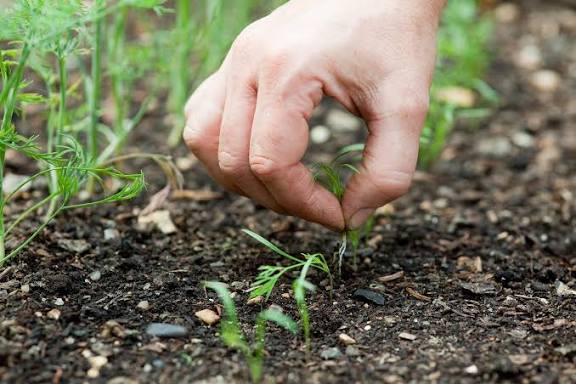
Dill is one of the easiest and most rewarding herbs to grow at home. Whether you want fresh leaves for cooking or seeds for pickling, learning dill plant how to grow doesn’t require special skills or expensive tools. With the right sunlight, soil, and care, dill grows quickly and adds fresh flavor to your kitchen garden.Why Grow Dill at Home?Growing dill is a great choice for beginners because it is:Fast-growing – ready to harvest in 6–8 weeksLow maintenance – needs minimal careVersatile – used fresh or dried in many recipesPollinator-friendly – attracts beneficial insectsOnce you know the basics of dill plant how to grow, you’ll find it’s one of the simplest herbs to maintain.Best Conditions for Growing DillSunlightDill loves sunlight.Provide 6–8 hours of full sun dailyCan tolerate partial shade, but growth may be weakerTemperatureGrows best between 60–75°F (15–24°C)Prefers cooler weather and may bolt in extreme heatSoilLight, well-draining soilSlightly acidic to neutral pH (6.0–7.0)Avoid heavy or compacted soilDill Plant How to Grow from SeedsDill does not transplant well, so it’s best to sow seeds directly.Step 1: Sowing SeedsPlant seeds ¼ inch deepSpace seeds about 12 inches apartWater gently after plantingStep 2: GerminationSeeds sprout in 7–14 daysKeep soil slightly moist, not soggyStep 3: ThinningOnce seedlings are 2–3 inches tall, thin themLeave the strongest plants to grow fullyGrowing Dill in PotsIf space is limited, dill grows very well in containers.Use a pot at least 12 inches deepEnsure good drainage holesPlace the pot in a sunny locationWater regularly, especially in hot weatherContainer gardening is a great option when learning dill plant how to grow on balconies or patios.Watering and Care TipsWater when the top soil feels dryAvoid overwatering to prevent root rotMulch lightly to retain moistureNo heavy fertilizing needed—too much fertilizer reduces flavorHarvesting Dill Leaves and SeedsHarvesting LeavesStart harvesting once plants reach 6–8 inches tallCut leaves from the top to encourage bushy growthUse fresh or dry for later useHarvesting SeedsAllow flowers to bloom and form seed headsCut seed heads once they turn brownDry them in a paper bag for storageCommon Problems and Easy FixesYellow leaves: Overwatering or poor drainageBolting (flowering too fast): Too much heat—plant in cooler seasonsWeak growth: Not enough sunlightEasy Companion Plants for DillDill grows well with:CucumbersLettuceOnionsCabbageAvoid planting dill near carrots, as it can slow their growth.Quick Tips to Make It EasySow seeds directly in soilGive plenty of sunlightWater lightly and consistentlyHarvest often for fresh growthReplant every few weeks for continuous harvestConclusionGrowing dill doesn’t have to be complicated. Once you understand dill plant how to grow, you’ll enjoy a steady supply of fresh, fragrant leaves right from your garden or container. With minimal care, quick growth, and multiple uses in the kitchen, dill is a perfect herb for beginners and experienced gardeners alike.