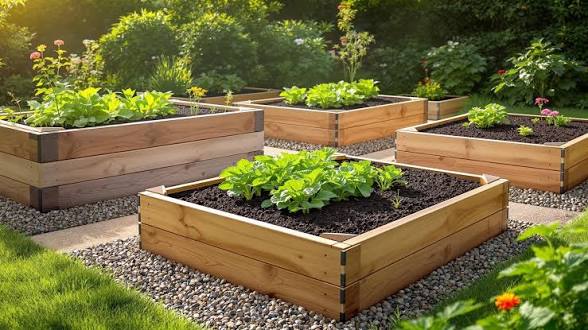
Raised garden beds have become a favorite among home gardeners—and for good reason. If you’ve ever struggled with poor soil, weeds, or back-breaking maintenance, the secret to raised garden beds DIY is about more than just lifting soil off the ground. It’s about smart design, the right materials, and a system that works with nature instead of against it.Let’s break it down in a practical, beginner-friendly way.🌿 Why Raised Garden Beds Work So WellThe biggest advantage of raised beds is control. You control the soil, drainage, nutrients, and layout.Key benefits include:Better drainage and healthier rootsFaster soil warming in springFewer weeds and soil compactionEasier access (great for backs and knees)But the real magic happens when you build them right.🔑 The Real Secret: Soil Is EverythingMost DIY raised bed failures come down to one thing—poor soil mix.The Ideal DIY Raised Bed Soil FormulaA proven blend many gardeners swear by is:40% topsoil – structure and minerals40% compost – nutrients and life20% aeration material (coarse sand, perlite, or aged wood chips)This balance gives you:Excellent drainageLong-lasting fertilityLoose soil roots love👉 Tip: Avoid using straight garden soil—it compacts and drains poorly.🪵 Choosing the Right Materials (Another Big Secret)Best Materials for DIY Raised BedsUntreated cedar or redwood – naturally rot-resistantRecycled bricks or concrete blocks – long-lasting and sturdyMetal beds – modern look, great durability🚫 Avoid pressure-treated wood for edible gardens unless it’s labeled safe for ground contact.📏 Height Matters More Than You ThinkMany people build beds too shallow.The secret height ranges:6–8 inches: herbs, lettuce, shallow roots10–12 inches: most vegetables (ideal)18+ inches: carrots, potatoes, tomatoes, and mobility-friendly bedsTaller beds = better roots + less bending.☀️ Placement Is a Hidden Power MoveBefore building, check:Sunlight: 6–8 hours minimumWater access: close to a hose or rain sourceAirflow: reduces disease👉 North–south orientation improves even sun exposure in most climates.💧 Watering Smart (Not Hard)Raised beds dry out faster than in-ground gardens.DIY secrets to efficient watering:Install drip irrigation or soaker hosesMulch heavily (straw, leaves, wood chips)Water deeply, not dailyMulch alone can reduce watering needs by up to 50%.🌼 Planting Like a Pro in Raised BedsRaised beds allow intensive planting:Space plants by root size, not rowsMix herbs, flowers, and veggiesUse companion planting to deter pestsThis increases yield while keeping plants healthier.♻️ Bonus Secret: Build Soil Over TimeYour raised bed gets better every year if you:Top up with compost each seasonAdd organic mulch regularlyAvoid digging—let soil life do the workThink of your bed as a living system, not just a box of dirt.🌟 Final Secret RevealedThe true secret to raised garden beds DIY isn’t fancy wood, expensive kits, or complicated designs—it’s intentional simplicity:Great soilSmart heightGood placementConsistent careGet those right, and your raised beds will outperform traditional gardens year after year.