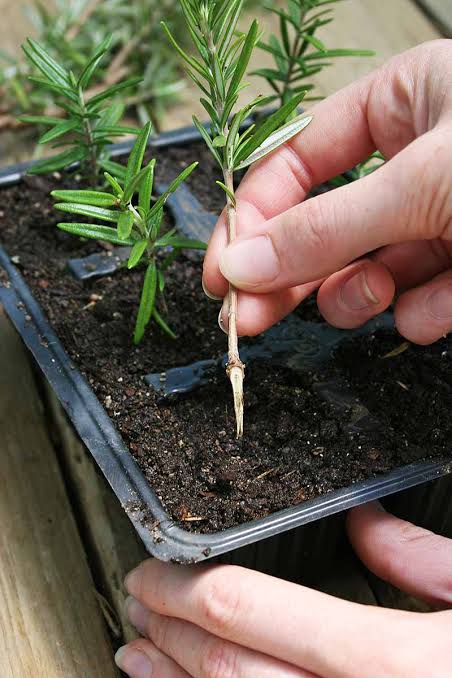
Rosemary is a fragrant, versatile herb that can enhance any garden, kitchen, or living space. Known for its culinary uses, medicinal properties, and aromatic fragrance, rosemary is a favorite among home gardeners. If you’ve ever wondered how to plant rosemary and grow this amazing herb at home, you’re in the right place! This article will walk you through everything you need to know to plant and care for rosemary, so you can enjoy its beauty and benefits for years to come.Whether you’re a beginner gardener or an experienced one looking to expand your herb collection, learning the secret to how to plant rosemary will help you grow a thriving, healthy plant with ease.Why Grow Rosemary?Rosemary (Rosmarinus officinalis) is a hardy, evergreen herb native to the Mediterranean. It thrives in sunny, well-drained environments and is relatively low-maintenance once established. Here are some great reasons to grow rosemary:1. Culinary UsesRosemary is an essential herb in many dishes, especially Mediterranean cuisine. It pairs well with meats like lamb, chicken, and beef, and can also be used in soups, stews, and even baked goods. Having fresh rosemary available in your garden means you’ll always have it on hand when cooking.2. Medicinal BenefitsRosemary has been used for centuries in traditional medicine. It is believed to improve memory, aid digestion, and reduce inflammation. It’s also used in aromatherapy for its calming and stimulating properties.3. Aesthetic AppealWith its needle-like leaves and vibrant green color, rosemary adds a beautiful touch to any garden. It can be grown in flower beds, containers, or even as a small shrub, making it a versatile addition to your outdoor or indoor decor.How to Plant Rosemary: A Step-by-Step GuidePlanting rosemary is simple, but there are a few important factors to consider to ensure success. Let’s walk through the process of how to plant rosemary.1. Choose the Right LocationRosemary loves full sun, so choose a spot that gets at least 6-8 hours of sunlight each day. It thrives in well-drained soil, so ensure your planting location is not prone to standing water. Whether you’re planting in the ground or in containers, good drainage is key to growing a healthy rosemary plant.In the Ground: If you’re planting in your garden, pick a spot in a sunny, well-drained area. Rosemary doesn’t like wet feet, so avoid places that stay soggy after watering or rain.In Containers: Rosemary also grows well in containers, which makes it perfect for those with limited garden space or people who want to grow it indoors. Choose a pot with drainage holes to prevent water from accumulating at the bottom.2. Prepare the SoilRosemary prefers slightly sandy or loamy soil with a neutral to slightly alkaline pH. If you have heavy clay soil, improve it by mixing in some compost or sand to improve drainage. Rosemary also benefits from good air circulation around its roots.Soil Preparation Tips:If planting in the ground, mix in organic compost to enrich the soil.For containers, use a well-draining potting mix designed for herbs or vegetables.3. Planting Rosemary Seeds or CuttingsYou can grow rosemary from seeds or, more commonly, from cuttings. Growing from cuttings is quicker and easier, especially for beginners.Planting from Cuttings (Recommended for Beginners):Take Cuttings: Choose a healthy rosemary plant, and using clean, sharp scissors or pruning shears, cut a 4-6 inch long stem from a healthy branch. Make sure the cutting has a few sets of leaves.Remove Leaves: Strip the leaves from the lower half of the cutting, leaving a few leaves at the top.Root the Cutting: You can root rosemary cuttings either in water or directly in soil:Water Method: Place the cutting in a glass of water, making sure the cut end is submerged. Change the water every few days. After a couple of weeks, the cutting should develop roots.Soil Method: Dip the cut end of the rosemary cutting into rooting hormone and plant it directly in a small pot with a well-draining potting mix. Water it lightly and keep it in a warm spot with indirect sunlight until it roots.Transplant: Once the cutting has rooted and starts growing, it can be transplanted into a larger container or into the ground.Planting from Seeds (Less Common):Start Seeds Indoors: Rosemary seeds are small and slow to germinate. Plant them in a seed tray or small pots indoors 8-10 weeks before the last expected frost. Lightly press the seeds into the soil, but don’t bury them too deeply, as they need light to germinate.Keep Warm and Moist: Rosemary seeds need warmth (65-70°F) and consistent moisture to sprout. Keep them in a sunny window or under a grow light.Transplant Outdoors: Once the seedlings are large enough and the weather is warm, transplant them into the garden or larger containers. Be sure to acclimate the seedlings to outdoor conditions by gradually exposing them to sunlight and outdoor temperatures.4. Watering and FertilizingRosemary is drought-tolerant and doesn’t need a lot of water. However, it’s important to water it properly during its early growth stages.Watering Tips:Water the plant thoroughly but let the soil dry out between waterings. Rosemary prefers slightly dry soil and does not like sitting in wet soil.During the growing season, water rosemary deeply once a week, especially in hot weather. In the winter months, reduce watering to once every two weeks, especially if your plant is indoors.Fertilizing Tips:Rosemary doesn’t require heavy fertilizing. In fact, too much fertilizer can reduce its flavor and growth.Apply a balanced, slow-release fertilizer in the spring as the plant begins to grow. You can also use compost or organic matter to enrich the soil.5. Pruning RosemaryRegular pruning helps rosemary grow strong and bushy. After the first year, you can start trimming it back to encourage a more compact shape.Pruning Tips:Trim back the tips of the plant regularly to encourage branching.If the plant becomes too leggy or woody, prune back the older stems. Rosemary can tolerate hard pruning, but always leave some green foliage for the plant to regenerate.You can also harvest rosemary by cutting sprigs as needed for cooking.6. Harvesting RosemaryRosemary is ready to harvest once it has established itself and has several healthy stems. Harvest by snipping off the top of a stem just above a set of leaves, which encourages further growth.Harvesting Tips:Harvest rosemary in the morning when the oils are most concentrated.You can dry rosemary by hanging sprigs upside down in a cool, dry place for several weeks, or you can freeze it for later use.Common Problems and SolutionsLike all plants, rosemary can face a few challenges. Here are some common problems and how to address them:Yellowing Leaves: This can indicate overwatering or poor drainage. Ensure your plant is in a well-draining location and avoid letting it sit in water.Leggy Growth: Rosemary needs plenty of sunlight. If your plant is stretching and becoming leggy, it might not be getting enough light.Pests: Rosemary is generally pest-resistant but can attract aphids or spider mites. Treat any pest issues with a gentle insecticidal soap or neem oil.Conclusion: Learn the Secret to How to Plant Rosemary!Now that you’ve learned how to plant rosemary, it’s time to get started in your garden or kitchen! Rosemary is a hardy, low-maintenance herb that can thrive in a variety of conditions. Whether you’re growing it for culinary purposes, medicinal uses, or simply for its beauty, it’s an incredibly rewarding herb to grow.