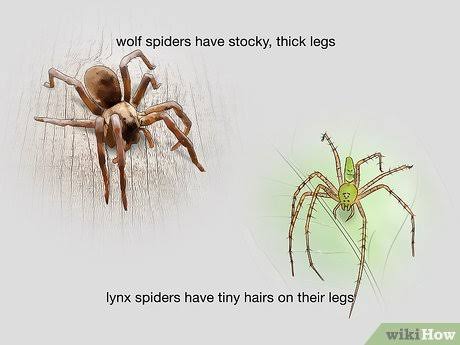
👇🕷️ Wolf Spider vs. Lynx Spider: Key Differences Explained🐺 Wolf Spider(Left in the image)LegsThick, stocky, and powerfulBuilt for running rather than climbingBodyChunky and muscularOften brown, gray, or tan with darker markingsEyesVery distinctive: three rows of eyesTwo large eyes in the middle that reflect light at nightBehaviorGround hunters (don’t rely on webs)Often seen running across floors or soilCarry egg sacs and even babies on their backs (unique trait!)HabitatGardens, lawns, leaf litterSometimes wander indoors accidentallyDanger to humans❌ Not dangerousBites are rare and usually no worse than a bee sting🌿 Lynx Spider(Right in the image)LegsLong, slender legsCovered with tiny stiff hairs/spines (key identifier!)BodySlim and delicate-lookingOften green, yellow, or light brownEyesEight eyes, but less prominent than wolf spidersArranged in a hexagon-like patternBehaviorAmbush predatorsOften sit on plants waiting for preyExcellent climbers and jumpersHabitatShrubs, flowers, tall grassCommon in gardens and agricultural areasDanger to humans❌ Not dangerousVery unlikely to bite unless handled🔍 Quick Side-by-Side ComparisonFeature Wolf Spider Lynx SpiderLeg type Thick, stocky Long, thin, hairyBody shape Chunky, robust Slim, delicateColor Brown/gray Green, yellow, paleWeb use No webs No websHunting style Ground runner Plant ambusherHuman risk Harmless Harmless✅ Bottom LineIf the spider has thick legs and a bulky body, it’s likely a wolf spiderIf it has long spindly legs with visible hairs, it’s a lynx spiderBoth are beneficial predators that help control insectsNeither poses a serious threat to people 🌱