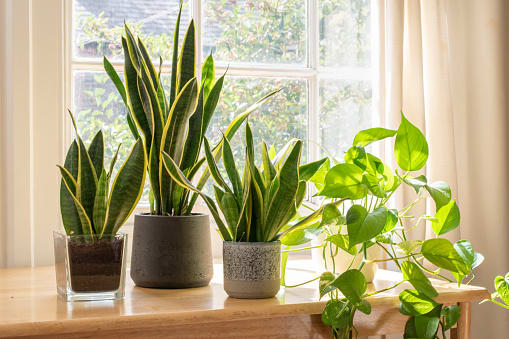
Keeping certain indoor plants can support cleaner air, especially in low-light rooms, while also improving mood and adding natural beauty. While plants shouldn’t replace proper ventilation, research and practical experience show they can help reduce indoor pollutants and improve air quality over time.🌿 Best Indoor Plants for Cleaner Air in Low-Light Rooms🐍 Snake Plant (Sansevieria)Thrives in very low lightHelps filter airborne toxinsReleases oxygen even at nightExtremely low maintenancePerfect for: bedrooms and offices🌱 ZZ Plant (Zamioculcas zamiifolia)Tolerates poor lighting and irregular wateringAbsorbs indoor pollutantsTough and long-lastingPerfect for: apartments and dark corners🍃 Pothos (Devil’s Ivy)Grows well in low to medium lightHelps reduce common indoor toxinsGreat for hanging baskets or shelvesPerfect for: living rooms and hallways🌿 Peace LilyTolerates low lightHelps improve humidityFilters airborne chemicalsPerfect for: bedrooms and shaded rooms⚠️ Note: Keep away from pets, as it can be toxic if ingested.🌴 Cast Iron PlantLives up to its name—very hardyHandles low light and neglectSupports overall air freshnessPerfect for: offices and low-maintenance homes🌬 How Indoor Plants Support Air QualityAbsorb certain airborne toxins through leavesImprove humidity levelsReduce dust particlesPromote a calmer, healthier indoor environmentEven one or two plants per room can make a noticeable difference over time.🌿 Practical Tips for Best ResultsChoose plants suited to your light conditionsWipe leaves occasionally to improve air absorptionDon’t overwater—most low-light plants prefer drier soilCombine plants with regular ventilation for best air quality🌱 Final ThoughtLow-light rooms don’t have to feel stuffy or lifeless. By choosing the right indoor plants, you can naturally support cleaner air, enhance indoor comfort, and create a healthier living space—no bright sunlight required 🌿✨