
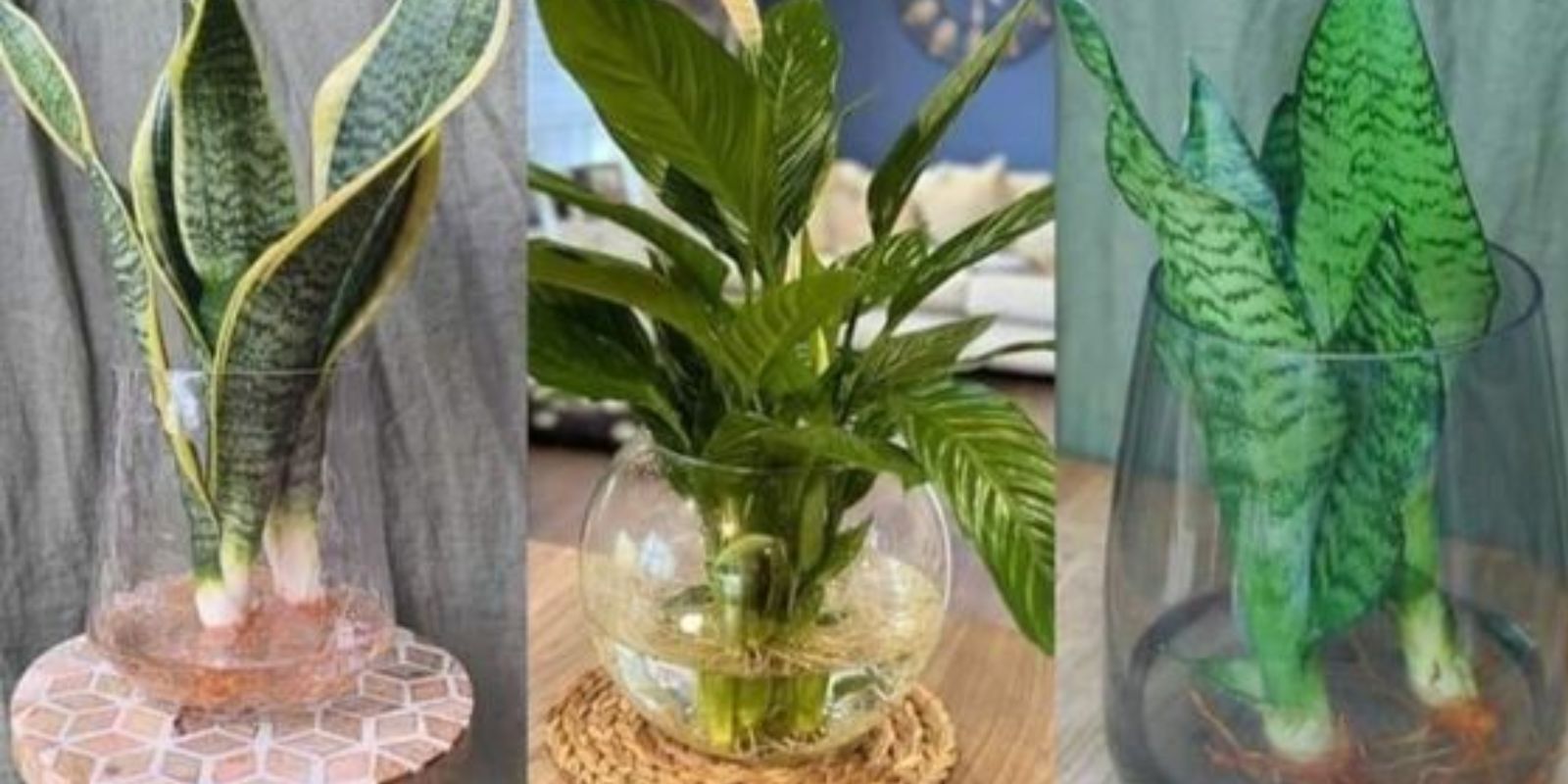
Hydroponic gardening, known as hydroculture, presents a revolutionary method for growing plants without traditional soil. This method utilizes nutrient-rich water as the growing medium, offering numerous benefits such as efficient nutrient uptake and space utilization. Transitioning plants from soil-based gardening to hydroponics requires careful planning and execution to ensure optimal growth and plant health. Here’s a step-by-step guide to successfully switching plants from soil to water in a hydroponic system:
1. Choose Suitable Plants
Select plants that thrive in hydroponic environments:
- Choose leafy greens like lettuce and spinach, herbs such as basil and mint, and certain vegetables like tomatoes and peppers.
- Avoid plants with deep taproots or those sensitive to water stagnation.
2. Prepare Your Setup
Set up an efficient hydroponic system:
- Select a suitable hydroponic system such as deep water culture (DWC), nutrient film technique (NFT), or ebb and flow systems.
- Ensure the system provides adequate support and stability, with proper aeration and nutrient circulation.
3. Prepare Plants for Transition
Properly prepare plants for the shift to hydroponics:
- Carefully remove plants from soil, ensuring roots remain intact.
- Rinse roots under lukewarm water to remove soil particles and prevent contamination in the hydroponic system.
4. Transition to Hydroponics
Successfully transition plants to their new hydroponic environment:
- Place plants in net pots or growing medium that allows roots to access the nutrient solution.
- Ensure roots are fully submerged or in contact with the nutrient solution to facilitate nutrient uptake.
5. Monitor Nutrient Levels
Maintain balanced nutrient levels for optimal plant growth:
- Regularly monitor and adjust nutrient solutions to meet plant requirements.
- Use a specialized hydroponic nutrient solution suitable for the plant species and growth stage.
6. Monitor pH and EC Levels
Monitor pH and Electrical Conductivity (EC) levels for optimal nutrient uptake:
- Keep pH levels within the recommended range (5.5 to 6.5 for most crops).
- Adjust EC levels to ensure proper nutrient concentration and avoid deficiencies or toxicities.
7. Provide Adequate Light
Ensure plants receive sufficient light for photosynthesis:
- Place hydroponic systems in areas with natural sunlight or use artificial grow lights.
- Adjust light intensity and duration based on plant needs for healthy growth and development.
8. Maintain Proper Watering Schedule
Establish a consistent watering schedule to optimize plant health:
- Monitor water levels in the hydroponic system to prevent dehydration or overwatering.
- Ensure roots are constantly exposed to the nutrient solution for continuous nutrient uptake.
9. Monitor Plant Health
Regularly inspect plants for signs of stress or nutrient deficiencies:
- Look for symptoms like yellowing leaves, stunted growth, or pest infestations.
- Implement preventive measures and organic solutions to maintain plant health and productivity.
10. Harvest and Enjoy
Enjoy the fruits of successful hydroponic gardening:
- Harvest crops when they reach maturity, following specific guidelines for each plant variety.
- Incorporate fresh produce into culinary dishes or enjoy as decorative elements in your home.
Conclusion
Transitioning plants from soil to hydroponics offers a sustainable and efficient gardening method with numerous benefits. By following these steps, you can successfully cultivate plants in a hydroponic system and enjoy healthier, more productive growth. Whether you’re new to hydroponic gardening or expanding your skills, embracing soil-free cultivation opens up exciting possibilities for indoor and outdoor gardening. Join the conversation below to share your experiences, tips, or questions on hydroponic gardening. Let’s cultivate knowledge and grow together in the world of hydroculture! 🌿