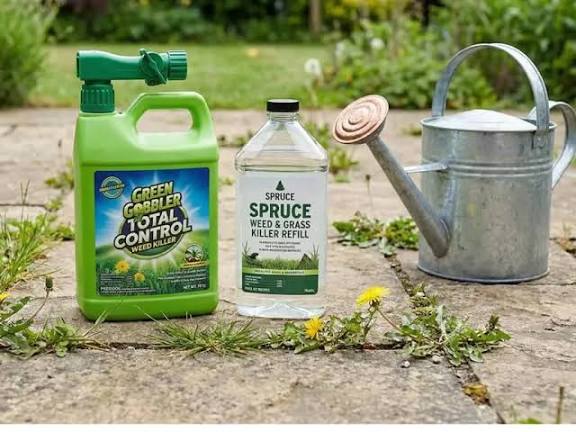
A Safe, Natural, and Effective Alternative to Chemical HerbicidesIf you’re tired of harsh chemical weed killers that harm soil, pets, and beneficial insects, learning how to create your own eco-friendly weed killer is a smart and sustainable choice. Homemade weed killers use simple household ingredients to control unwanted plants while protecting the environment, your garden, and your family.This guide is suitable for home gardeners across the United States, United Kingdom, and Canada, whether you’re managing weeds in driveways, patios, or garden paths.🌱 Why Choose an Eco-Friendly Weed Killer?Safer for People and PetsCommercial herbicides often contain toxic chemicals that linger in soil and water. Natural alternatives are safer to use around children and animals.Better for Soil HealthEco-friendly weed killers break down naturally and won’t damage beneficial microorganisms that help plants thrive.Budget-Friendly and EasyMost ingredients are already in your kitchen—no special equipment required.🧪 How Eco-Friendly Weed Killers WorkNatural weed killers typically work by:Drying out weeds (desiccation)Breaking down plant cell wallsDisrupting growth at the leaf levelUnlike chemical herbicides, they usually kill the top growth, so repeated applications may be necessary for deep-rooted weeds.🧴 Recipe 1: Vinegar-Based Weed Killer (Most Popular)Ingredients1 gallon (3.8 L) white vinegar (5% acetic acid)1 cup table salt1 tablespoon liquid dish soapInstructionsDissolve salt into vinegar completelyAdd dish soap (helps the mixture stick to leaves)Pour into a spray bottleSpray directly onto weeds on a sunny, dry dayBest ForDrivewaysSidewalk cracksPatiosGravel areas⚠️ Avoid spraying near desired plants—this solution is non-selective.🌞 Recipe 2: Lemon Juice Weed KillerIngredients1 cup fresh lemon juice or bottled concentrateHow It WorksCitric acid increases acidity, breaking down weed cell walls quickly.Best ForSmall, young weedsSpot treatmentsSpray directly onto leaves in full sunlight for best results.🧂 Recipe 3: Salt-Only Method (Use Carefully)InstructionsSprinkle salt directly at the base of weedsWater lightly to help it absorbWarningSalt can permanently damage soil, so use only in areas where nothing will grow again (cracks, gravel, hardscapes).🌿 Recipe 4: Boiling Water Weed Killer (Zero Ingredients)How to UseBoil waterSlowly pour directly onto weedsWhy It WorksHeat destroys plant tissue instantly.Best ForSidewalk weedsPaver jointsDriveway edgesThis method is 100% eco-friendly and leaves no residue.🌼 Practical Tips for SuccessChoose the Right TimeApply on sunny, dry daysAvoid rainy weather (it dilutes effectiveness)Target the LeavesSpray directly on foliage, not soilYounger weeds are easier to killBe PatientNatural weed killers may require multiple treatmentsPerennial weeds may regrow from rootsCombine MethodsUsing boiling water first, then vinegar spray later, can improve results.🌎 Where Eco-Friendly Weed Killers Work BestPatios and drivewaysGarden bordersFence linesRaised bed edges❌ Not recommended directly in vegetable beds unless spot-treating carefully.🌿 Prevent Weeds Naturally (Long-Term Strategy)Instead of constantly killing weeds, reduce them naturally:Mulch garden bedsUse landscape fabricImprove soil healthPlant ground coversPrevention is the most eco-friendly solution of all.❓ Common QuestionsAre Homemade Weed Killers Legal?Yes. Household ingredients like vinegar and salt are legal to use in the US, UK, and Canada for home gardening.Will These Kill Roots?Most natural weed killers kill top growth. Persistent weeds may need repeat applications.Are They Truly Eco-Friendly?When used responsibly and in targeted areas—yes. Overuse (especially salt) can harm soil.🌿 ConclusionLearning how to create your own eco-friendly weed killer empowers you to maintain a clean, weed-free space without harming the environment. From vinegar sprays to boiling water, these natural methods are simple, affordable, and effective when used correctly.With mindful application and patience, you can keep your garden and hardscapes weed-free—naturally. 🌱✨