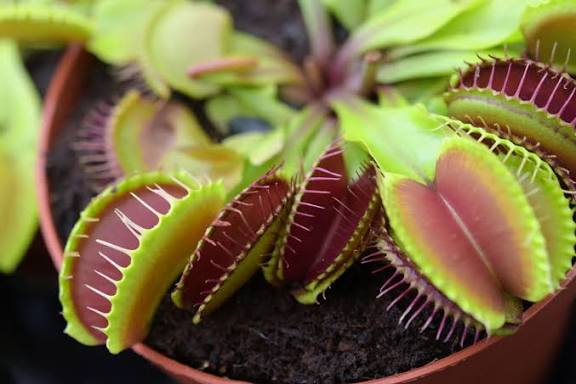
The Venus flytrap (Dionaea muscipula) is one of the most fascinating plants on Earth. Native to the wetlands of North and South Carolina, this carnivorous plant doesn’t just survive—it hunts. Yet despite its dramatic reputation, many Venus flytraps die early due to simple care mistakes.This guide will show you how to care for a Venus flytrap plant like never before, using the exact conditions it needs to thrive—not just survive.Understand the Venus Flytrap’s Natural HabitatTo care for a Venus flytrap properly, you must think like nature:Native to nutrient-poor, acidic bogsGrows in full sunLives in pure water environmentsExperiences winter dormancy❗ Most problems come from treating it like a regular houseplant—it’s not.Light: The #1 Rule for Success☀️ Full Sun Is Non-NegotiableVenus flytraps need at least 4–6 hours of direct sunlight daily, ideally more.Best options:Outdoors in full sun (best choice)Sunny south-facing window (indoors)Grow light (12–14 hours daily if sunlight is limited)✅ Healthy flytraps show red coloration inside traps—a sign of enough light.🚫 Low light = weak traps, slow growth, eventual death.Watering: Only One Type of Water Works💧 Use ONLY:Distilled waterRainwaterReverse osmosis water🚫 Never use:Tap waterBottled mineral waterFiltered water (Brita is NOT enough)Minerals and salts kill Venus flytraps slowly by burning their roots.How to Water ProperlyKeep the pot sitting in ½–1 inch of waterSoil should always be moist, never dryReduce watering slightly in winter dormancySoil: What (and What NOT) to UseVenus flytraps need nutrient-free soil.Best Soil Mix50% sphagnum peat moss50% perlite or silica sand🚫 Never use:Potting soilCompostFertilizer-enriched mixes❌ Fertilizers = instant root burn.Feeding: Less Is MoreDo Venus Flytraps Need to Be Fed?Outdoors: No (they catch their own food)Indoors: Occasionally, yesHow to Feed SafelyFeed only live insectsInsect must be no larger than ⅓ of the trapFeed once every 2–4 weeksGently trigger the trap hairs so it seals properly🚫 Never feed:MeatDead insectsHuman foodEach trap can only close a limited number of times—don’t waste them.Temperature & HumidityIdeal ConditionsSummer: 70–90°F (21–32°C)Winter dormancy: 35–50°F (2–10°C)Humidity: Normal outdoor humidity is fineVenus flytraps are tougher than they look—no terrariums required.Winter Dormancy (Most People Get This Wrong)🌙 Dormancy Is REQUIREDFrom late fall to early spring, Venus flytraps must rest.Signs of dormancy:Slower growthSmaller trapsSome leaves turn black (normal)How to Handle DormancyReduce light slightlyKeep soil just moistKeep plant cool (garage, unheated room, fridge method)🚫 Skipping dormancy weakens and eventually kills the plant.Repotting & Long-Term CareRepot every 1–2 yearsBest time: early springUse fresh carnivorous soil mixPlastic pots preferred (avoid clay—leaches minerals)Common Mistakes to Avoid❌ Using tap water❌ Touching traps for fun❌ Feeding too often❌ Keeping indoors with low light❌ Skipping winter dormancyAvoid these, and your plant can live 20+ years.Signs of a Healthy Venus Flytrap✔️ Bright green leaves✔️ Red trap interiors✔️ Strong snapping traps✔️ New growth from the centerBlack traps alone are normal—only worry if the entire plant declines.Final ThoughtsLearning how to care for a Venus flytrap plant like never before means respecting its wild origins. Give it sun, pure water, poor soil, and winter rest—and it will reward you with dramatic, healthy traps for years.This is not a novelty plant. It’s a survivor—and when cared for correctly, it thrives 🌿🪰