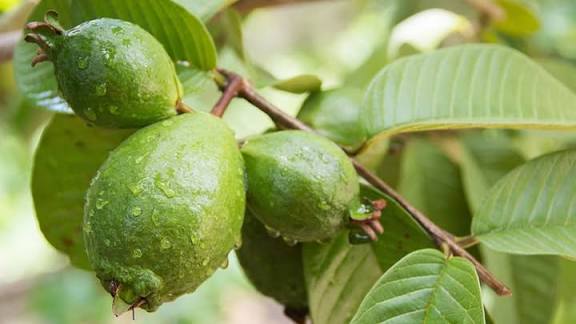
Guava is one of the most rewarding fruit trees you can grow at home. Hardy, fast-growing, and incredibly productive, guava trees thrive in a wide range of climates and offer delicious, vitamin-rich fruits packed with flavor. Whether you’re gardening in the United States, United Kingdom (greenhouse or conservatory), or Canada, learning the right techniques can make all the difference between a struggling plant and a fruit-laden tree.This Growing Guide: How to Cultivate Guavas Successfully 🌿🍃 is designed to walk you step by step through everything you need to know—from choosing the right variety to planting, care, pruning, and harvesting. Whether you’re growing guava in the ground or in containers, this guide will help you succeed.🌱 Understanding the Guava PlantWhat Is a Guava Tree?Guava (Psidium guajava) is a tropical to subtropical fruit tree known for its adaptability and quick fruiting. Under ideal conditions, guava trees can start producing fruit within 2–4 years, much faster than many other fruit trees.Guava trees are valued for:Fragrant white flowersNutrient-dense fruits high in vitamin CTolerance to heat and droughtSuitability for container gardeningThis adaptability is why how to cultivate guavas successfully is a popular topic among home gardeners.🌞 Ideal Climate and Growing Conditions for GuavasTemperature RequirementsGuava trees thrive best in temperatures between 65°F and 95°F (18°C–35°C).United States: Ideal in USDA zones 9–11United Kingdom: Best grown in greenhouses or conservatoriesCanada: Suitable for containers moved indoors during winterGuavas are sensitive to frost, especially when young.Sunlight NeedsFor best growth and fruit production:Provide 6–8 hours of direct sunlight dailyFull sun encourages flowering and sweeter fruitLack of sunlight results in poor flowering and reduced yields.🌱 Choosing the Right Guava VarietySelecting the right variety is a crucial step in this Growing Guide: How to Cultivate Guavas Successfully 🌿🍃.Popular Guava VarietiesTropical White Guava – Sweet, aromatic, high yieldsPink Guava – Juicy flesh, popular for fresh eatingStrawberry Guava – Smaller tree, excellent for containersApple Guava – Crisp texture, mild sweetnessFor cooler regions, strawberry guava and container-grown varieties are the most reliable options.🌿 Soil Preparation for Healthy Guava TreesBest Soil TypeGuavas are not overly picky but perform best in:Well-draining soilSlightly acidic to neutral pH (5.5–7.0)Rich in organic matterAvoid waterlogged or heavy clay soil.Improving Soil QualityBefore planting:Mix in compost or aged manureAdd sand or perlite if drainage is poorRaised beds work well in rainy climatesHealthy soil is the foundation of cultivating guavas successfully.🌱 How to Plant Guavas (Ground & Containers)Planting Guavas in the GroundDig a hole twice as wide as the root ballPlace the plant at the same depth it grew previouslyBackfill with amended soilWater deeplySpace trees 10–15 feet apart for good air circulation.Growing Guavas in ContainersGuavas grow exceptionally well in pots:Use a 15–20 gallon containerEnsure drainage holesChoose a dwarf or strawberry guava varietyContainer growing is ideal for the UK and Canada, allowing winter protection.💧 Watering Guava Trees CorrectlyWatering ScheduleYoung trees: Water 2–3 times per weekMature trees: Deep watering once weeklyOverwatering can cause root rot, while underwatering reduces fruit size.Drought ToleranceOnce established, guava trees tolerate short dry periods, making them excellent for low-water gardens.🌿 Fertilizing for Strong Growth and Fruit ProductionBest Fertilizers for GuavasUse a balanced fertilizer such as:10-10-10 or 8-8-8Organic compost and worm castingsApply fertilizer:Every 6–8 weeks during the growing seasonReduce feeding in winterProper nutrition is essential when learning how to cultivate guavas successfully.✂️ Pruning and Training Guava TreesWhy Pruning MattersPruning improves:Air circulationSunlight penetrationFruit size and qualityHow to Prune Guava TreesRemove dead or crossing branchesMaintain an open canopyLight pruning after harvestGuavas fruit on new growth, so regular pruning encourages productivity.🐛 Common Pests and DiseasesCommon Guava PestsFruit fliesAphidsScale insectsNatural Control MethodsNeem oil spraysSticky traps for fruit fliesEncouraging beneficial insectsHealthy trees are far less susceptible to pests.🍈 Harvesting Guavas at the Right TimeWhen Are Guavas Ready?Guavas are ready to harvest when:Skin color changes from dark green to light green or yellowFruit becomes fragrantSlight softness when gently pressedHarvest carefully to avoid bruising.Yield ExpectationsA healthy tree can produce 50–100 pounds of fruit annually, depending on size and care.🌿 Practical Tips for Growing Guavas SuccessfullyMulch to retain moisture and suppress weedsProtect young trees from frostHand-pollinate flowers indoors if neededRotate containers for even sunlightThese small steps greatly improve success.🌿🍃 Growing Guide: How to Cultivate Guavas Successfully – Final ThoughtsGuava trees are one of the most rewarding fruit plants for home gardeners. With proper sunlight, well-draining soil, thoughtful watering, and seasonal care, even beginners can enjoy abundant harvests. This Growing Guide: How to Cultivate Guavas Successfully 🌿🍃 shows that guavas are not only productive but also adaptable to many growing conditions.Whether you’re planting outdoors in warm regions of the United States, growing in a greenhouse in the United Kingdom, or container gardening in Canada, guavas offer beauty, nutrition, and satisfaction in every harvest.With patience and consistent care, your guava tree will reward you year after year with fragrant blossoms and delicious fruit 🍈🌿