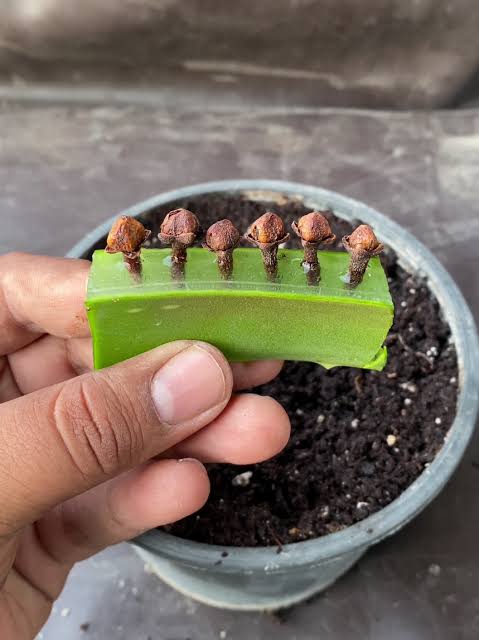
Cloves are one of those fascinating spices many people use daily but rarely imagine growing themselves. While cloves are most commonly associated with tropical farms and exotic spice markets, it is possible to grow clove plants at home—especially if you enjoy experimenting with unique and rewarding plants. With patience, the right climate, and proper care, growing cloves at home can be a truly satisfying gardening journey.Let’s explore how cloves grow, what they need, and what you can realistically expect when trying to grow them at home.🌱 What Are Cloves, Really?Cloves come from the clove tree (Syzygium aromaticum), an evergreen tree native to tropical regions. The spice itself is actually the dried, unopened flower bud of the tree—not a seed or root, as many people assume.📌 Important to know:Cloves do not grow from the dried spice sold in grocery stores. Those cloves are already dried buds and are not viable for planting.🌍 Can You Grow Cloves at Home?Yes—but with conditions.Clove trees thrive in warm, humid, tropical climates, making them ideal for:Tropical and subtropical regionsGreenhousesWarm indoor environments with high humidityGardeners in the United States, United Kingdom, and Canada can grow clove trees indoors or in greenhouses, but outdoor growing is only practical in frost-free regions.🌿 What You’ll Need to Grow Cloves Successfully☀️ Climate & TemperatureIdeal temperature: 70–90°F (21–32°C)High humidity is essentialNo frost tolerance🌞 Light RequirementsBright, indirect sunlightAvoid harsh, direct sun when plants are young🌱 Soil NeedsRich, well-draining soilSlightly acidic (pH 5.5–6.5)High organic matter💧 WateringKeep soil consistently moistNever allow waterloggingMist regularly to maintain humidity🌰 How to Grow Cloves at Home (Step-by-Step)1️⃣ Start With Fresh Clove SeedsTo grow cloves, you need fresh clove seeds (sometimes called clove berries). These must be planted shortly after harvest, as they lose viability quickly.🔔 Dried culinary cloves will not germinate.2️⃣ Planting the SeedsPlant seeds about 1 inch deepUse small pots with good drainageKeep soil warm and moist⏳ Germination can take 2–6 weeks, sometimes longer.3️⃣ Early Plant CareKeep seedlings in partial shadeMaintain high humidityProtect from temperature fluctuationsYoung clove plants are delicate and slow-growing.🌳 Long-Term Care for Clove Trees🌿 Growth Rate & SizeSlow-growing evergreen treeCan reach 20–30 feet in the groundMuch smaller in containers✂️ PruningMinimal pruning neededRemove dead or weak branchesShape lightly to maintain size indoors🌸 Flowering & HarvestingTrees take 5–7 years to flowerBuds turn from green to pink when readyHarvest before flowers openDry buds to create clovesPatience is key—clove growing is a long-term commitment.🌿 Growing Cloves in Containers (Indoor Method)For gardeners in cooler climates, container growing is the best option.🪴 Tips for indoor clove growing:Use a large, deep potPlace near a bright windowUse a humidifier or mist dailyRotate the plant for even growthA greenhouse setup works exceptionally well.🌱 Common Problems When Growing Cloves🚫 Low humidity → leaf drop🚫 Cold temperatures → stunted growth🚫 Poor drainage → root rot🚫 Direct sunlight → leaf burnMaintaining consistent warmth and moisture is the biggest challenge.🌸 Is Growing Cloves at Home Worth It?If you enjoy rare plants, long-term gardening projects, and tropical species, absolutely. While growing cloves at home won’t provide a quick spice harvest, it offers:A unique indoor treeAromatic leaves and flowersA rewarding learning experienceFor many gardeners, the joy is in the process—not just the harvest.🌿 Final ThoughtsGrowing cloves at home is a beautiful blend of patience, curiosity, and care. While it’s not the easiest spice to grow, it’s one of the most fascinating. With the right conditions and realistic expectations, you can successfully nurture a clove tree—even far from the tropics.If you love experimenting with unusual plants and don’t mind a slow-growing companion, the clove tree might just be your next favorite houseplant 🌿✨