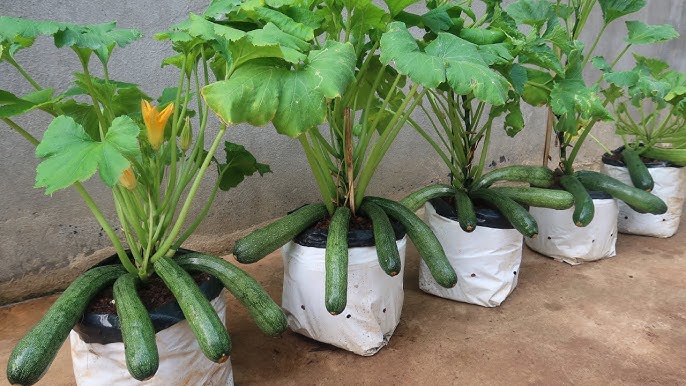
If you’re looking for an easy, rewarding vegetable to grow, zucchini is one of the best choices for home gardeners. Known for its fast growth, high yield, and versatility in the kitchen, zucchini thrives in backyard gardens, raised beds, and even large containers. Whether you’re an experienced grower or just starting your gardening journey, learning how to grow your own zucchini at home can help you enjoy fresh, organic produce while saving money and reducing your environmental footprint.In North America and the UK, zucchini (also called courgette in Britain) is a warm-season crop that performs well during late spring and summer. With the right soil, sunlight, and watering routine, you can harvest an abundant supply of tender squash for grilling, baking, and healthy meals all season long.This guide will walk you through everything you need to know—from choosing the right variety to planting, caring for your plants, and harvesting your zucchini at the perfect time.🌞 Why Grow Your Own Zucchini at Home?Growing zucchini at home offers several advantages:High productivity: One healthy plant can produce multiple fruits weekly.Beginner-friendly: Zucchini is resilient and forgiving for new gardeners.Cost-effective: A single packet of seeds yields an impressive harvest.Freshness and flavor: Homegrown zucchini tastes better than store-bought options.Sustainability: Growing your own produce reduces packaging waste and food miles.Because zucchini grows quickly and adapts to different climates across the US, Canada, and the UK, it’s a favorite among home gardeners.🌱 Choosing the Best Zucchini VarietyBefore you start planting, select a variety suited to your space and climate.Popular Zucchini TypesBlack Beauty: A classic dark-green variety with reliable yields.Golden Zucchini: Bright yellow fruits that add color to dishes.Costata Romanesco: An Italian heirloom prized for flavor.Bush Baby: Compact plants ideal for small gardens and containers.When choosing seeds, look for disease-resistant varieties if you live in humid regions where fungal diseases are more common.🪴 Preparing Soil and PlantingIdeal Growing ConditionsZucchini thrives in warm temperatures and nutrient-rich soil. Follow these basics to get started:Sunlight: At least 6–8 hours of direct sun daily.Soil: Well-draining, fertile soil enriched with compost.pH level: Slightly acidic to neutral (6.0–7.5).When to PlantUnited States & UK: Late spring after the last frost.Canada: Late spring to early summer once soil warms.Planting StepsSow seeds directly into the soil about 1 inch deep.Space plants about 2–3 feet apart.Water gently after planting to keep soil moist.Direct sowing is usually more successful than transplanting because zucchini roots grow quickly and prefer minimal disturbance.💧 Watering and Feeding Your PlantsConsistent watering is essential when you grow your own zucchini at home.Watering TipsProvide about 1–2 inches of water per week.Water at the base of plants to prevent fungal diseases.Use mulch to retain moisture and suppress weeds.FertilizingZucchini plants are heavy feeders. Apply:Compost before planting.Balanced organic fertilizer every 3–4 weeks.Liquid seaweed or fish emulsion for an extra nutrient boost.🌼 Pollination and Flower CareZucchini plants produce both male and female flowers. Bees and other pollinators play a key role in fruit development.Encourage PollinationPlant flowers nearby to attract bees.Avoid spraying pesticides during blooming.Hand-pollinate using a small brush if fruit production is low.Healthy pollination ensures properly formed zucchini rather than small or misshapen fruits.🐛 Common Pests and ProblemsEven though zucchini is relatively easy to grow, a few issues may arise.Common PestsSquash bugsAphidsVine borersPrevention StrategiesInspect plants regularly.Use row covers early in the season.Apply natural insecticidal soap if needed.Common DiseasesPowdery mildewBlossom end rotDowny mildewGood airflow, proper spacing, and watering at soil level help prevent many plant diseases.✂️ Harvesting Zucchini the Right WayOne of the most rewarding parts of learning to grow your own zucchini at home is harvesting fresh produce.When to HarvestPick zucchini when they are about 6–8 inches long.Smaller fruits are more tender and flavorful.Harvest TipsUse clean scissors or pruning shears.Harvest regularly to encourage more production.Avoid letting fruits grow too large, as they can become tough and seedy.With frequent harvesting, a single plant can produce dozens of zucchinis throughout the season.🍽️ Ways to Use Your Homegrown ZucchiniOnce your garden starts producing, you’ll have plenty of delicious options:Grilled zucchini slicesZucchini bread and muffinsSpiralized zucchini noodlesStir-fries and pasta dishesStuffed zucchini boatsZucchini also freezes well when sliced or shredded, allowing you to enjoy your harvest long after summer ends.🌿 Practical Tips for SuccessHere are a few simple strategies to maximize your results:Rotate crops yearly to prevent soil-borne diseases.Grow companion plants like basil or marigolds to deter pests.Stake or cage plants to save space and improve airflow.Harvest flowers for cooking—they’re edible and delicious.Start small with two or three plants; zucchini grows abundantly.ConclusionLearning how to grow your own zucchini at home is a simple and rewarding way to enjoy fresh, healthy produce straight from your garden. With plenty of sunshine, fertile soil, and consistent care, zucchini plants will reward you with an impressive harvest throughout the growing season.Whether you live in the United States, United Kingdom, or Canada, zucchini adapts well to various climates and gardening styles—from backyard plots to patio containers. By choosing the right variety, maintaining proper watering habits, and harvesting regularly, you’ll soon discover why zucchini is considered one of the easiest vegetables for home growers.Start planting today, and you’ll be enjoying delicious, homegrown zucchini in just a few weeks—proof that even a small garden can produce big, flavorful rewards 🌱🥒